

How to Prevent Pipeline Blockages in Pneumatic Conveying Systems for Glass Raw Material Transport? K
For glass manufacturers, efficient and reliable material handling is crucial to maintaining production continuity and product quality. Pneumatic conveying systems offer a solution for transporting glass raw materials such as sand, soda ash, limestone, and other powders. However, these systems are susceptible to pipeline blockages, which can lead to downtime and increased maintenance costs. Understanding the key design parameters that prevent blockages is essential for optimizing system performance.
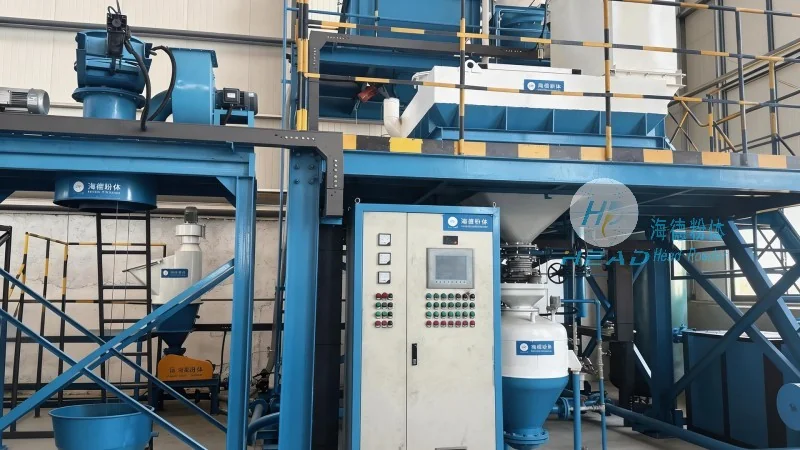
Key Design Parameters to Prevent Pipeline Blockages
Several critical design factors contribute to the prevention of blockages in pneumatic conveying systems for glass raw materials. The first is the selection of appropriate air velocity. Maintaining a consistent and sufficient air velocity ensures that particles are fully suspended and transported without settling. For glass powders, typical air velocities range from 20 to 30 meters per second in dense-phase conveying systems, which reduces the risk of particle accumulation and blockages.
Another vital parameter is the system's pressure and flow rate. Proper pressure management, often achieved through variable frequency drives (VFDs) and pressure sensors, ensures that the air flow is stable and sufficient to move the material through the pipeline. Inadequate pressure can cause particles to settle, leading to blockages, while excessive pressure may damage equipment or cause material degradation.
The design of the pipeline itself is also crucial. Smooth, corrosion-resistant pipes with appropriate diameters and minimal bends or changes in direction help maintain consistent flow. Sharp bends and narrow sections can cause particle accumulation and increase the likelihood of blockages. Additionally, the use of inline mixers or agitators can help prevent material bridging and ensure uniform flow.
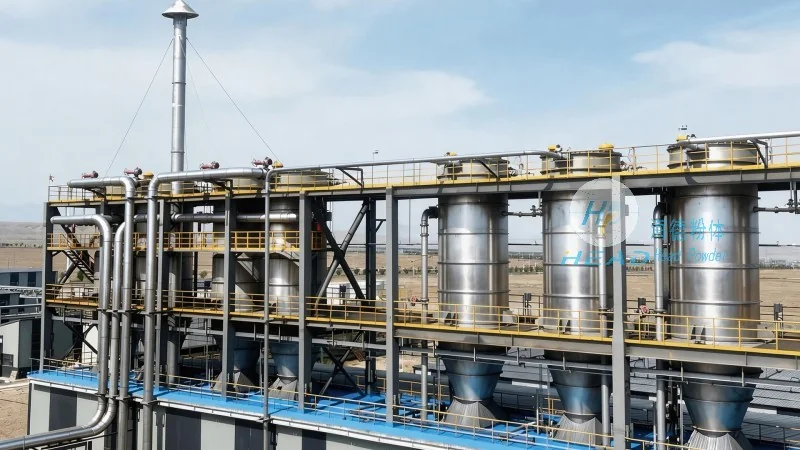
Equipment selection, including the type of feeder and receiver, plays a significant role in preventing blockages. Properly sized feeders, such as rotary valves or star feeders, ensure a consistent material feed rate, avoiding surges that can lead to blockages. Receivers with proper venting and cleaning mechanisms also help maintain system efficiency and prevent material buildup.
System Layout and Flow Path Optimization
The layout of the pneumatic conveying system, including the placement of feed points, silos, and receivers, impacts the risk of blockages. A well-designed layout minimizes the number of bends and vertical lifts, reducing the potential for particle settling. Horizontal runs are generally preferred over vertical lifts, as vertical sections require higher air velocities to prevent material from falling out of suspension. The use of horizontal curves and gradual transitions between sections also helps maintain flow and prevent blockages.
Additionally, the integration of cleaning mechanisms, such as air knives or mechanical sweepers, can be incorporated into the system design to prevent long-term material buildup. These features are particularly important in systems handling abrasive or sticky glass powders, which are prone to adhering to pipe walls.
Monitoring and Control Systems
Advanced monitoring and control systems are essential for maintaining optimal operation and preventing blockages. Sensors, such as pressure transducers, flow meters, and level detectors, provide real-time data on system performance. This data can be used to adjust air velocity, pressure, and feed rates dynamically, ensuring that the system operates within the optimal parameters for preventing blockages.
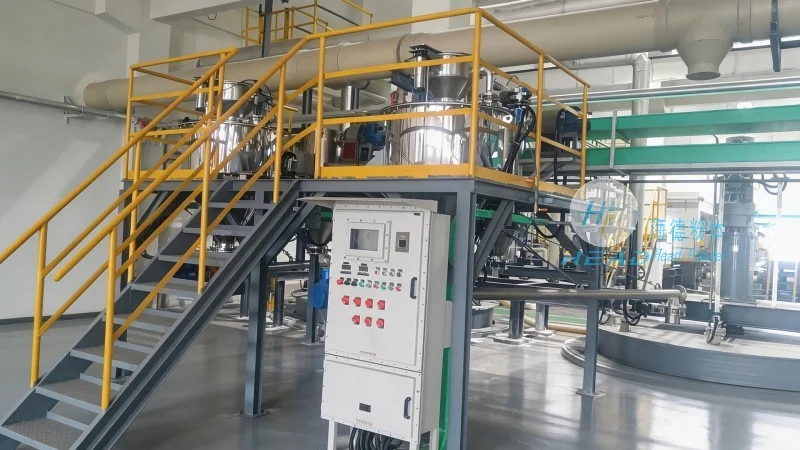
Automated control systems, often integrated with programmable logic controllers (PLCs), can detect deviations from normal operation and trigger alerts or corrective actions. For example, if a pressure drop is detected in a section of the pipeline, the system can automatically increase air velocity or adjust the feed rate to prevent a blockage from developing. This proactive approach helps minimize downtime and reduces the risk of system failures.
Case Study: Successful Implementation by Shandong HeadPowder Engineering Co., Ltd.
Shandong HeadPowder Engineering Co., Ltd., a leading provider of pneumatic conveying solutions, has successfully implemented systems for glass manufacturers to prevent blockages. By applying the key design parameters discussed above, their systems have achieved high levels of efficiency and reliability. For instance, a client in China used a dense-phase pneumatic conveying system designed by headpowder to transport sand and soda ash. The system was configured with appropriate air velocities, smooth pipelines, and advanced control systems, resulting in a significant reduction in blockage incidents and increased production throughput.
HeadPowder's expertise in system design and integration ensures that each project is tailored to the specific needs of the glass manufacturer. Their engineers work closely with clients to analyze material properties, production requirements, and site conditions to develop a customized solution that minimizes the risk of blockages and maximizes system performance.