

How to Prevent Pipe Blockages in Pneumatic Conveying Systems for Corn Stalk Transport? Key Design Pa
HeadPowder Engineering, a leading provider of pneumatic conveying solutions, specializes in optimizing systems for the efficient transport of agricultural materials like corn stalks. This article explores effective strategies to prevent pipe blockages in such systems and highlights the critical design parameters that contribute to their reliability and performance.
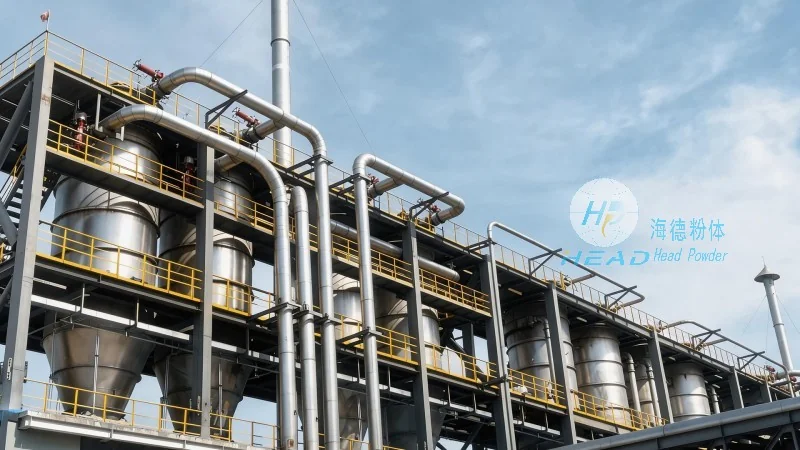
Understanding the Challenges of Corn Stalk Transport via Pneumatic Conveying
Pneumatic conveying systems are widely used in agricultural processing for transporting bulk materials such as corn stalks due to their efficiency and ability to handle abrasive or fibrous materials. However, these systems are susceptible to blockages, which can lead to operational disruptions and increased maintenance costs. Corn stalks, with their high moisture content and fibrous structure, pose unique challenges that require careful system design to mitigate blockage risks.
Key Design Parameters for Preventing Pipe Blockages in Pneumatic Conveying Systems
Several design parameters are crucial in preventing pipe blockages when transporting corn stalks. The first is the selection of the appropriate conveying velocity. Higher velocities can help maintain material flow and prevent particles from settling, but excessive speed may increase energy consumption and wear on components. Engineers at HeadPowder Engineering recommend maintaining a conveying velocity that balances material transport efficiency with system durability, typically ranging from 20 to 30 meters per second for corn stalks.
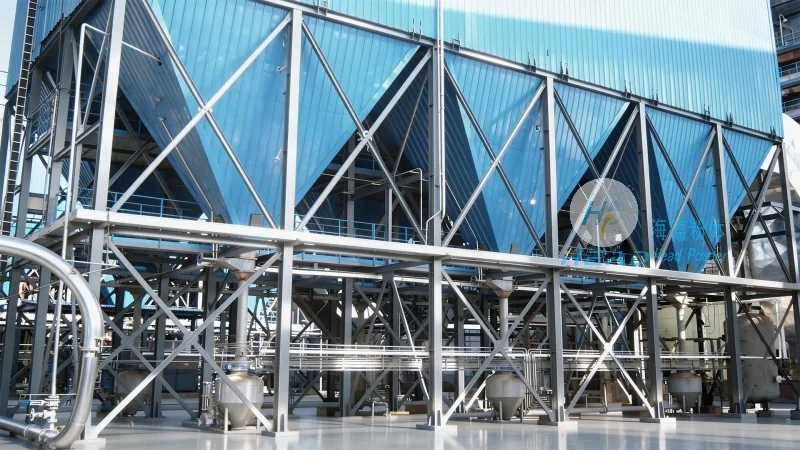
Another critical parameter is the system's pressure and air flow rate. Insufficient air pressure or flow can cause material to accumulate and lead to blockages, while excessive pressure may damage equipment. The design must ensure adequate air volume to keep the material in suspension throughout the conveying line. HeadPowder Engineering's experts emphasize the importance of calculating the required air flow based on the material's bulk density, particle size distribution, and the length of the conveying line.
The choice of pipeline diameter is also a key factor. Smaller diameters increase the risk of blockages as material has less space to move freely, while larger diameters may require more energy to maintain flow. For corn stalk transport, a diameter that accommodates the material's particle size without causing excessive friction is essential. HeadPowder Engineering typically recommends a pipeline diameter of 100 to 150 millimeters for corn stalks, depending on the material's characteristics and the system's capacity.
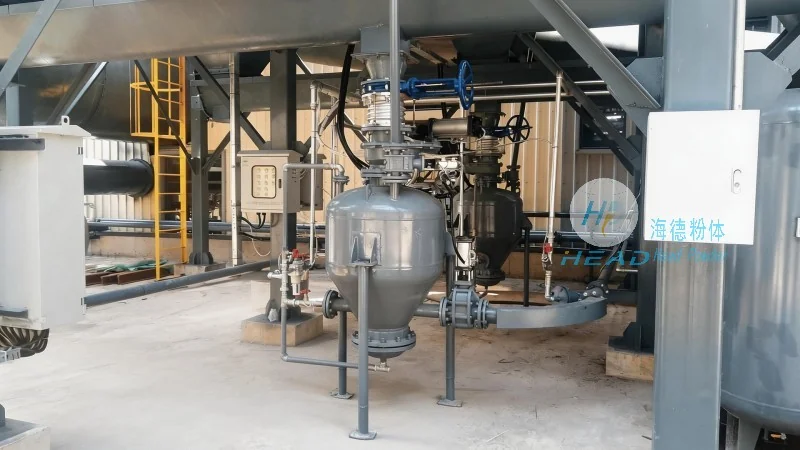
The type of air nozzle or inlet design plays a significant role in preventing blockages at the material intake point. Properly designed inlets ensure that material is introduced into the pipeline in a uniform manner, reducing the likelihood of localized blockages. HeadPowder Engineering uses advanced inlet designs that minimize material impact and promote smooth flow, which is particularly important for fibrous materials like corn stalks.
Material handling equipment, such as feeders and hoppers, also impacts system performance. Inadequate feeding can lead to uneven material flow, causing blockages downstream. HeadPowder Engineering recommends using controlled feeders that maintain a consistent material feed rate, ensuring that the conveying system operates at optimal conditions. This consistency helps prevent surges or gaps in material flow that can contribute to blockages.
System Maintenance and Monitoring for Long-Term Reliability
While design parameters are critical, regular maintenance and monitoring are essential for preventing long-term blockages. HeadPowder Engineering advises implementing a maintenance schedule that includes cleaning of pipelines, checking for wear and tear on components, and monitoring air pressure and flow rates. Advanced monitoring systems can detect early signs of potential blockages, allowing for timely intervention and preventing system downtime.
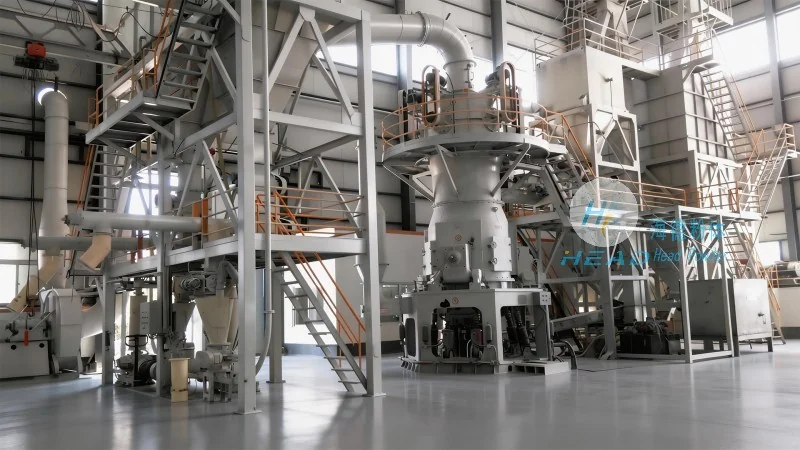
Regular inspection of the material's condition, such as checking for moisture content and particle size changes, is also important. Changes in material properties can affect system performance and may require adjustments to the design parameters. HeadPowder Engineering's team provides ongoing support to clients, helping them adapt their systems to changing material conditions and maintain optimal operation.
Conclusion: Optimizing Pneumatic Conveying Systems for Corn Stalk Transport
Preventing pipe blockages in pneumatic conveying systems for corn stalk transport requires a comprehensive approach that considers multiple design parameters and operational practices. By optimizing conveying velocity, air flow and pressure, pipeline diameter, inlet design, and feeder control, along with regular maintenance and monitoring, systems can achieve high efficiency and reliability. HeadPowder Engineering, with its expertise in pneumatic conveying solutions, offers tailored designs and support to help agricultural operations minimize blockages and maximize the performance of their corn stalk transport systems.