

How to Prevent Pipeline Blockages in Pneumatic Conveying Systems for Dry Mix Mortar? Key Design Para
When it comes to transporting dry mix mortar using pneumatic conveying systems, ensuring efficient and uninterrupted operation is paramount. A common challenge in such applications is the risk of pipeline blockages, which can lead to downtime, increased maintenance costs, and reduced productivity. Understanding and implementing the right design parameters are crucial for mitigating these issues and maintaining the reliability of the conveying process. This article explores effective strategies to prevent pipeline blockages in pneumatic conveying systems for dry mix mortar, with a focus on key design considerations that contribute to system performance and longevity.
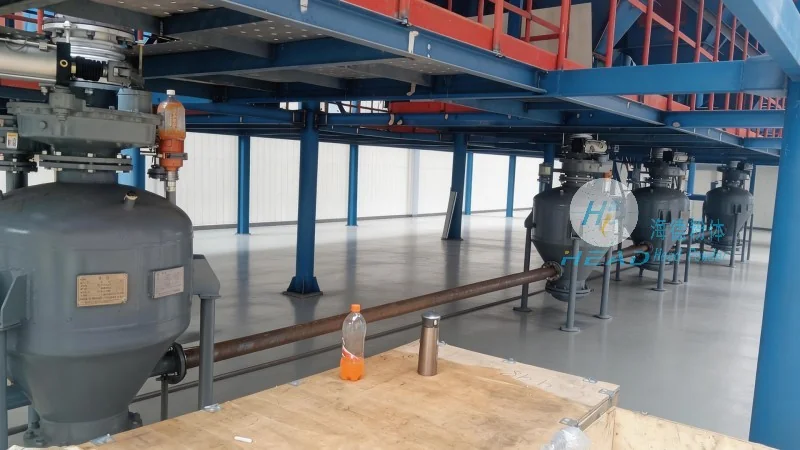
Understanding the Risks of Pipeline Blockages in Dry Mix Mortar Conveying
Dry mix mortar, typically composed of cement, sand, and other additives, presents unique challenges when conveyed pneumatically. The abrasive nature of the material, combined with its tendency to agglomerate or form lumps, can cause particles to adhere to the inner walls of the pipeline or accumulate at low points, leading to blockages. Additionally, variations in material moisture content or particle size distribution can exacerbate these issues, making it essential to adopt a systematic approach to system design and operation.
Key Design Parameters for Preventing Pipeline Blockages
Several critical design parameters must be carefully considered to minimize the risk of pipeline blockages in pneumatic conveying systems for dry mix mortar. These parameters include system pressure, pipeline diameter, gas-solid ratio, and material flow characteristics. Each of these factors plays a significant role in determining the system's ability to maintain a smooth, continuous flow of material.
System Pressure and Its Impact on Conveying Efficiency
System pressure is a fundamental parameter that directly influences the velocity of the conveying medium (air or gas) and the material's movement through the pipeline. Higher pressure can increase the velocity of the material, reducing the likelihood of particle settling or agglomeration. However, excessive pressure may lead to increased energy consumption and potential wear on system components. The optimal pressure level is determined by the material's properties, pipeline length, and required conveying distance. For dry mix mortar, a pressure range of 0.5 to 1.5 bar is commonly recommended, depending on the specific application and material characteristics.
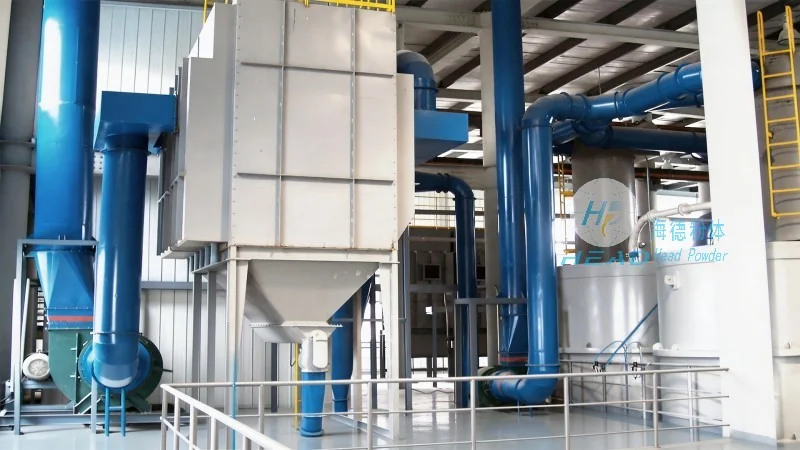
Pipeline Diameter and Its Role in Flow Dynamics
The diameter of the conveying pipeline is another critical factor that affects flow dynamics and the risk of blockages. Larger diameter pipelines generally offer lower resistance to flow, reducing the likelihood of particle accumulation and improving the system's capacity. However, excessively large diameters may increase initial costs and require more space for installation. Conversely, smaller diameters can lead to higher friction losses and a higher risk of blockages, especially with abrasive or cohesive materials like dry mix mortar. A common practice is to select a pipeline diameter that is at least 1.5 times the maximum particle size of the material being conveyed, ensuring adequate clearance and minimizing the chance of particle contact with the pipe walls.
Gas-Solid Ratio: Balancing Air Flow and Material Transport
The gas-solid ratio, which represents the ratio of air volume to material mass, is a key design parameter that determines the efficiency of the conveying process. An optimal gas-solid ratio ensures that the material is fully suspended in the conveying medium, preventing settling and blockages. Too low a ratio may result in insufficient air flow to lift and transport the material, leading to uneven flow and potential blockages. Conversely, an excessively high ratio can increase energy consumption and reduce system efficiency. For dry mix mortar, a gas-solid ratio typically ranging from 0.5 to 1.2 is recommended, based on the material's density, particle size, and the required conveying distance.
Material Flow Characteristics and System Sizing
The characteristics of the dry mix mortar, including its bulk density, moisture content, and particle size distribution, must be thoroughly analyzed to determine the appropriate system sizing. Materials with higher bulk density or larger particle sizes may require higher pressure and larger pipeline diameters to ensure smooth conveying. Additionally, variations in moisture content can affect the material's cohesive properties, potentially leading to agglomeration. Therefore, it is essential to conduct material testing and perform flow simulations to accurately predict the system's performance and identify potential blockage risks before finalizing the design.
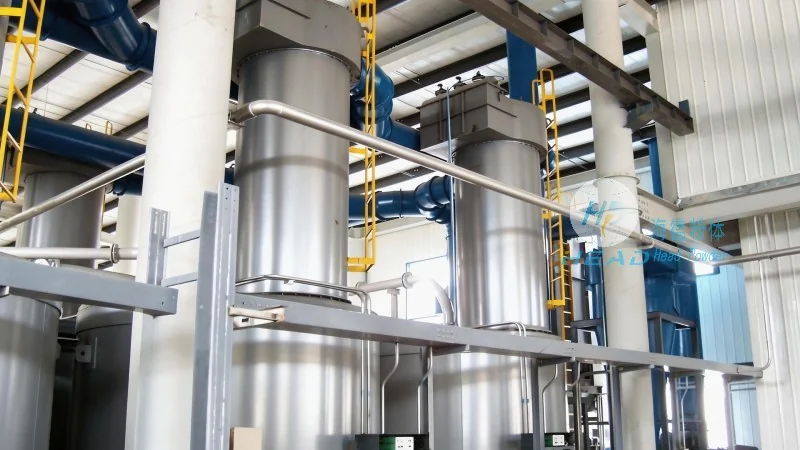
System Components and Their Contribution to Blockage Prevention
In addition to the design parameters mentioned above, the selection of appropriate system components also plays a crucial role in preventing pipeline blockages. Components such as rotary air locks, cyclone separators, and surge hoppers are designed to maintain consistent flow and prevent material buildup. For example, rotary air locks, which act as airlocks between the conveying line and the material source, help prevent reverse flow and material leakage, reducing the risk of blockages in the pipeline. Cyclone separators, used for material separation and recovery, are designed with high efficiency to minimize material loss and maintain consistent flow rates. Surge hoppers, which provide temporary storage capacity, help regulate the flow of material into the conveying system, preventing overloading and potential blockages.
Operational Practices for Maintaining System Performance
While proper design is essential, effective operational practices are also critical for preventing pipeline blockages in pneumatic conveying systems for dry mix mortar. Regular maintenance of system components, such as cleaning rotary air locks and checking for wear on pipeline surfaces, can help prevent the buildup of material and reduce the risk of blockages. Additionally, monitoring system pressure and flow rates in real-time allows operators to detect any deviations from normal operation and take corrective action promptly. Implementing a preventive maintenance schedule, including periodic inspections and component replacements, can significantly extend the system's lifespan and minimize downtime due to blockages.
Conclusion: Ensuring Reliable Dry Mix Mortar Conveying with Proper Design
Preventing pipeline blockages in pneumatic conveying systems for dry mix mortar requires a comprehensive approach that integrates proper system design, appropriate component selection, and effective operational practices. By carefully considering key design parameters such as system pressure, pipeline diameter, gas-solid ratio, and material flow characteristics, along with the use of reliable system components and regular maintenance, the risk of blockages can be significantly reduced. This not only improves the efficiency and productivity of the conveying process but also reduces maintenance costs and extends the operational life of the system. For businesses in the dry mix mortar industry, investing in a well-designed pneumatic conveying system that adheres to these principles is essential for maintaining a competitive edge and ensuring consistent product quality. As a leading provider of engineering solutions, Shandong HeadPowder Engineering Co., Ltd. specializes in designing and manufacturing pneumatic conveying systems tailored to the unique needs of dry mix mortar applications, helping clients achieve reliable and efficient material transport while minimizing the risk of blockages and associated downtime.