

Preventing Pipeline Blockages in Air-Solid Transport Systems for Sodium Bicarbonate: Key Design Para
When it comes to transporting sodium bicarbonate using air-solid transport systems, preventing pipeline blockages is a critical challenge that impacts operational efficiency and system reliability. The design of the air-solids transport system plays a pivotal role in ensuring smooth material flow and minimizing downtime. This article explores the key design parameters that contribute to effective prevention of pipeline blockages in such systems, with a focus on the specific requirements for sodium bicarbonate transport.
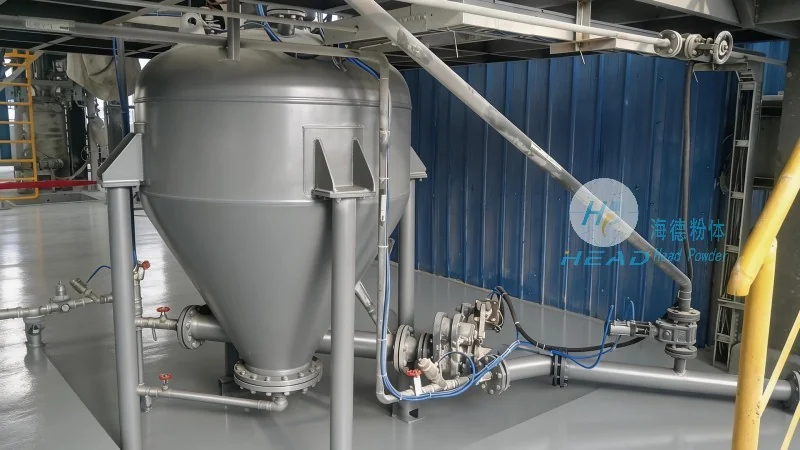
Understanding the Challenges of Sodium Bicarbonate Transport
Sodium bicarbonate, also known as baking soda, is a common chemical used in various industries, including food processing, pharmaceuticals, and manufacturing. Its granular or powder form makes it susceptible to agglomeration and bridging within the transport pipeline, which can lead to blockages. These blockages not only cause system shutdowns but also increase maintenance costs and reduce overall productivity. Therefore, implementing a well-designed air-solids transport system is essential to mitigate these risks.
Key Design Parameters for Preventing Pipeline Blockages
Several critical design parameters must be considered to prevent pipeline blockages in air-solids transport systems for sodium bicarbonate. These parameters are tailored to the physical properties of the material and the operational requirements of the system. The primary design considerations include:
1. Air Velocity and Flow Rate Optimization
Optimizing the air velocity and flow rate is fundamental to preventing blockages. Insufficient air velocity can lead to material settling and bridging, while excessive velocity may cause erosion and wear on the pipeline. For sodium bicarbonate, the optimal air velocity typically ranges between 15 to 25 meters per second, depending on the particle size and density. The flow rate must be adjusted to maintain a consistent material-to-air ratio, ensuring that the material is fully entrained and transported without accumulation.
2. Particle Size and Distribution
The particle size and distribution of sodium bicarbonate significantly influence the risk of blockages. Coarser particles tend to create larger voids and reduce the likelihood of agglomeration, whereas fine particles are more prone to sticking together and forming clumps. A well-designed system should incorporate equipment such as classifiers or sieves to ensure a uniform particle size distribution. This uniformity helps maintain consistent flow characteristics and reduces the chances of blockages caused by uneven material behavior.
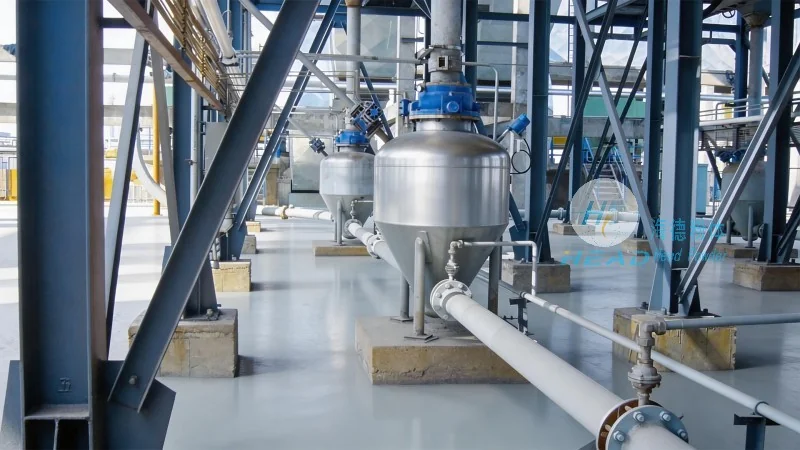
3. Pipeline Inclination and Layout
The design of the pipeline layout, including its inclination and curvature, is another critical factor. A properly inclined pipeline ensures that the material moves smoothly under the influence of air pressure, preventing the formation of stagnant zones where blockages can develop. The pipeline should be designed with gradual bends and curves to avoid sudden changes in direction that could cause material to settle or accumulate. Additionally, incorporating horizontal sections with appropriate air flow to keep the material in suspension is essential for preventing blockages.
4. Material Feeding and Conditioning
The method of material feeding and any conditioning steps taken before transport can impact blockage risk. A consistent and controlled feeding rate helps maintain a steady flow of material into the system. Conditioning processes, such as pre-drying or pre-screening, can improve material flowability and reduce the tendency to agglomerate. For sodium bicarbonate, pre-drying may be necessary to remove moisture that could cause clumping. The feeding equipment, such as rotary valves or screw feeders, should be selected to match the material's properties and feeding requirements.
5. System Pressure and Air Compressor Selection
The pressure and capacity of the air compressor are crucial design parameters. The compressor must provide sufficient air pressure to maintain the material in suspension throughout the pipeline. Overly low pressure can lead to material settling and blockages, while excessive pressure may cause excessive wear and energy consumption. The selection of an appropriate air compressor, considering factors like the required pressure, flow rate, and power efficiency, is vital for preventing blockages and ensuring system longevity.
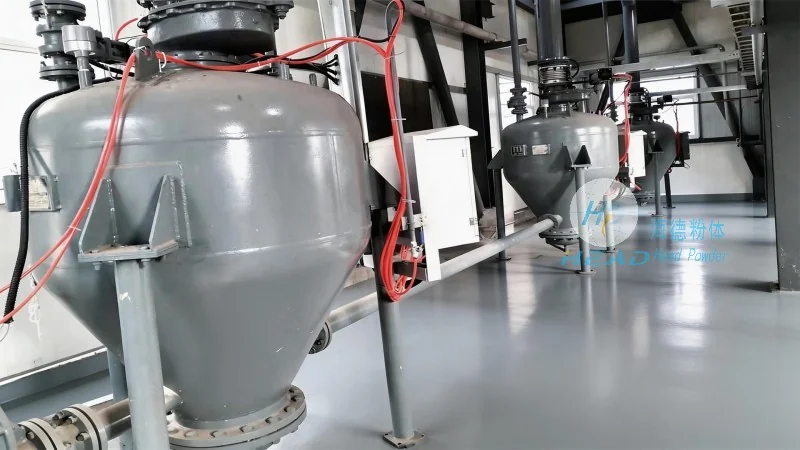
6. Pipeline Material and Surface Finish
The choice of pipeline material and its surface finish can affect the likelihood of blockages. Materials with smooth surfaces and low friction coefficients are preferred to minimize material adhesion and reduce the risk of agglomeration. Stainless steel or PVC pipes are commonly used for sodium bicarbonate transport due to their corrosion resistance and smooth interior surfaces. Properly finishing the interior of the pipeline, such as through polishing or coating, further enhances flow characteristics and prevents material buildup.
HeadPowder Engineering's Expertise in Air-Solid Transport Systems
Shandong HeadPowder Engineering Co., Ltd., a leading provider of air-solids transport solutions, specializes in designing and manufacturing systems tailored to the unique challenges of sodium bicarbonate transport. With years of experience in the industry, HeadPowder Engineering has developed innovative solutions that address the key design parameters discussed above. The company's expertise lies in optimizing air velocity, particle size control, and pipeline layout to ensure reliable and efficient transport of sodium bicarbonate.
HeadPowder Engineering's systems are engineered to prevent pipeline blockages by incorporating advanced technologies and materials. For example, their air-solids transport systems utilize high-efficiency air compressors and precise control mechanisms to maintain optimal air pressure and flow rates. The company also offers customized solutions, including specialized feeding equipment and pipeline designs, to meet the specific needs of clients. By focusing on the critical design parameters, HeadPowder Engineering ensures that their systems deliver consistent performance and minimize downtime for clients.
Conclusion: Ensuring Reliable Sodium Bicarbonate Transport
Preventing pipeline blockages in air-solids transport systems for sodium bicarbonate requires a comprehensive approach that considers multiple design parameters. By optimizing air velocity, particle size, pipeline layout, feeding methods, system pressure, and pipeline materials, operators can significantly reduce the risk of blockages and improve overall system efficiency. Shandong HeadPowder Engineering Co., Ltd. stands as a trusted partner in providing advanced air-solids transport solutions that meet these requirements, ensuring reliable and uninterrupted transport of sodium bicarbonate for various industrial applications.