

How to Prevent Pipeline Blockages in Molybdenum Trioxide Conveying with Pneumatic Conveying Systems?
HeadPowder, a leading provider of material handling solutions, specializes in optimizing pneumatic conveying systems for the transport of sensitive materials like molybdenum trioxide. A critical challenge in such applications is the prevention of pipeline blockages, which can disrupt production and increase maintenance costs. This article explores effective strategies and key design parameters to ensure smooth and reliable operation of pneumatic conveying systems in molybdenum trioxide transport.
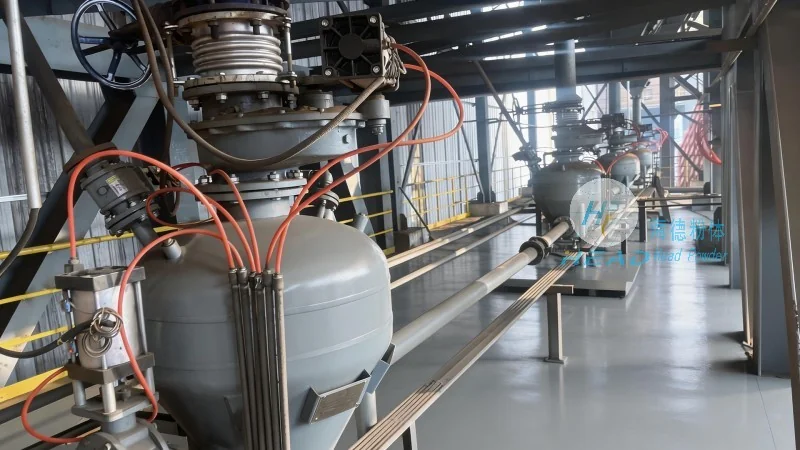
Understanding the Risks of Pipeline Blockages in Molybdenum Trioxide Conveying
Molybdenum trioxide (MoO₃) is a fine, high-density powder commonly used in the production of molybdenum compounds and alloys. Its physical properties, such as high moisture sensitivity and tendency to agglomerate, make it prone to clogging in pneumatic conveying pipelines. Blockages can occur due to several factors, including excessive moisture content, improper particle size distribution, or inadequate air velocity. These issues not only halt the conveying process but also lead to equipment damage and safety hazards. Therefore, implementing robust preventive measures is essential for maintaining operational efficiency and product quality.
Key Design Parameters for Preventing Blockages in Pneumatic Conveying Systems
The success of a pneumatic conveying system in transporting molybdenum trioxide hinges on careful consideration of several key design parameters. These parameters are tailored to the material's characteristics and the system's operational requirements, ensuring optimal performance and minimizing the risk of blockages.
1. Air Velocity and Flow Rate
One of the most critical factors in preventing blockages is maintaining an appropriate air velocity within the pipeline. The air velocity must be high enough to keep the material in suspension but not so high as to cause excessive pressure drops or wear on equipment. For molybdenum trioxide, a typical operating velocity ranges from 20 to 30 meters per second, depending on the pipeline diameter and material properties. The flow rate is calculated based on the required material throughput and the air velocity, ensuring that the system can handle the desired volume without creating a bottleneck.
2. Pipeline Diameter and Length
The diameter of the conveying pipeline is directly related to the air velocity and material flow. Larger diameters allow for higher material throughput but may require higher air velocities to maintain suspension. Conversely, smaller diameters reduce the risk of blockages but limit the system's capacity. The length of the pipeline also impacts the pressure drop and the likelihood of clogging. Longer pipelines may need additional booster fans or pressure relief valves to maintain sufficient air pressure and prevent material settling.
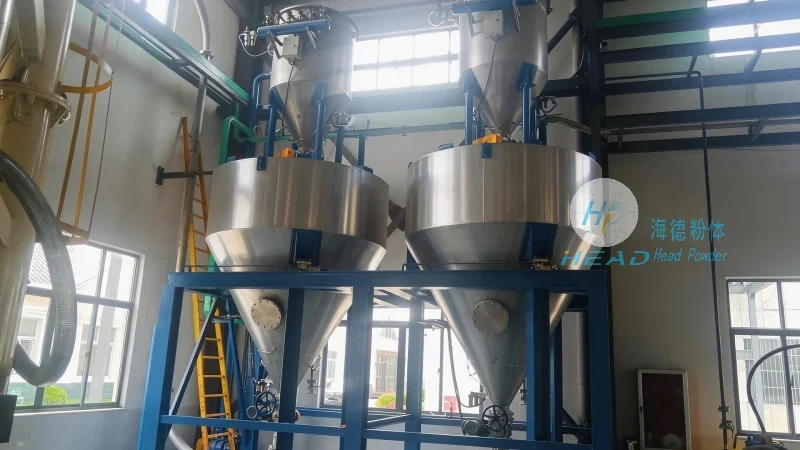
3. Material Characteristics and Conditioning
The physical properties of molybdenum trioxide, such as particle size, moisture content, and bulk density, significantly influence the design of the pneumatic conveying system. Fine particles are more prone to agglomeration, which can lead to blockages. To mitigate this, pre-drying the material to reduce moisture content and adding anti-caking agents can improve flowability. Additionally, using a pre-screening or classification process to remove oversized particles can prevent blockages caused by large debris.
4. System Pressure and Pressure Drop
The pressure of the pneumatic conveying system is determined by the required air velocity and the pipeline characteristics. A higher pressure system can handle longer distances and larger particle sizes but may increase energy consumption. Monitoring the pressure drop along the pipeline is crucial, as excessive pressure loss indicates potential blockages or inefficient system design. Regular maintenance and cleaning of the pipeline and filters are necessary to maintain optimal pressure levels.
Implementation Strategies for Effective Blockage Prevention
Along with proper design, several operational strategies can enhance the prevention of pipeline blockages in molybdenum trioxide conveying systems. These strategies focus on maintaining system integrity and adapting to changing material conditions.
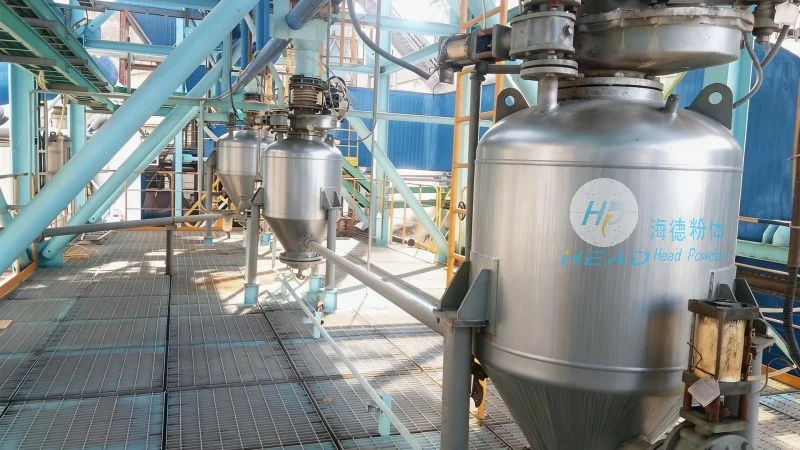
1. Regular Maintenance and Cleaning
Regular inspection and cleaning of the conveying pipeline, especially in areas prone to clogging, are essential. This includes removing accumulated material from bends, elbows, and fittings. Using high-pressure air or mechanical cleaning tools can help maintain the pipeline's smoothness and prevent material buildup. Additionally, cleaning the air filters and cyclone separators regularly ensures that the system operates at optimal pressure and prevents dust accumulation that could lead to blockages.
2. Monitoring and Control Systems
Implementing real-time monitoring systems can help detect early signs of blockages or system inefficiencies. Sensors can measure air pressure, flow rate, and material level, providing data to adjust system parameters as needed. Automated control systems can also adjust air velocity or pressure based on real-time conditions, ensuring that the system operates within safe and efficient parameters. This proactive approach helps prevent blockages before they occur and minimizes downtime.
3. Material Conditioning and Pre-Treatment
Pre-treating the molybdenum trioxide material before conveying can significantly reduce the risk of blockages. This may involve drying the material to below 1% moisture content, adding anti-caking agents to prevent agglomeration, or using a pre-screening process to remove oversized particles. Conditioning the material ensures that it flows smoothly through the system and reduces the likelihood of clogging in the pipeline.
Conclusion
Preventing pipeline blockages in molybdenum trioxide conveying systems requires a combination of careful system design and proactive operational management. By considering key design parameters such as air velocity, pipeline diameter, material characteristics, and system pressure, along with regular maintenance and monitoring, HeadPowder ensures reliable and efficient material handling solutions. Our expertise in pneumatic conveying systems, combined with a deep understanding of material properties, enables us to provide tailored solutions that meet the specific needs of our clients in the molybdenum trioxide industry.