

Preventing Pipeline Blockages in Pneumatic Conveying Systems for Powdered Electrolytes: Key Design P
Efficient and reliable transport of powdered electrolytes is critical in industries such as battery manufacturing, chemical processing, and material handling. Pneumatic conveying systems have become a preferred solution due to their ability to handle fine powders with minimal contamination and high throughput. However, a major challenge in these systems is the occurrence of pipeline blockages, which can lead to operational disruptions, increased maintenance expenses, and reduced productivity. Addressing this issue through proper system design is essential for optimizing performance and ensuring smooth operations.
Understanding the Causes of Pipeline Blockages
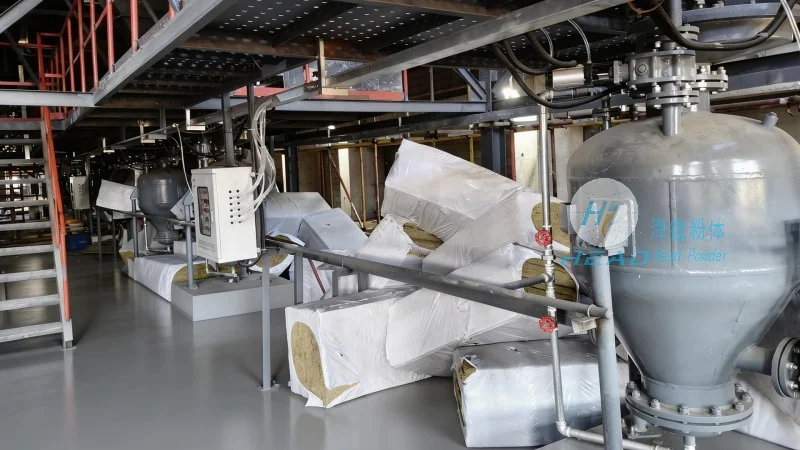
Pipeline blockages in pneumatic conveying systems for powdered electrolytes typically stem from several factors. Agglomeration, where fine particles stick together due to moisture, electrostatic charges, or high humidity, forms larger lumps that clog the pipeline. Inadequate air velocity may fail to fully suspend the powder, causing it to settle and accumulate. Additionally, design flaws like insufficient pipe diameter, improper bends, or poor air distribution can exacerbate these issues. Recognizing these root causes is the first step toward implementing effective prevention strategies.
Key Design Parameters for Blockage Prevention
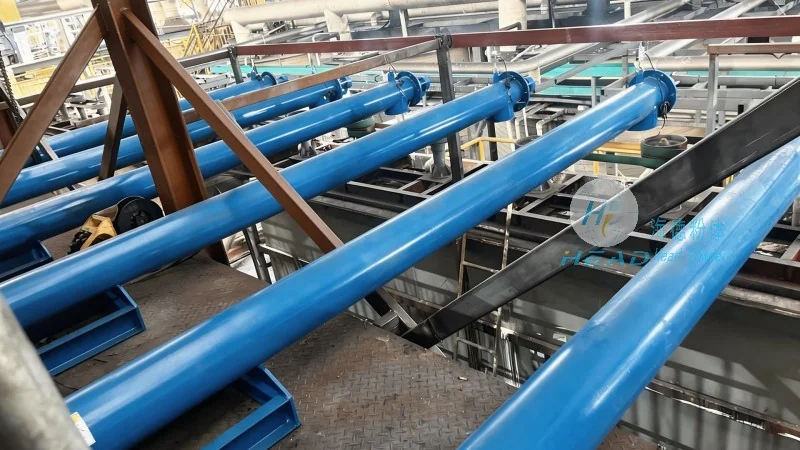
Several critical design parameters must be optimized to prevent pipeline blockages. The air velocity is a primary factor; maintaining a velocity of 20-30 meters per second is generally recommended to ensure the powder remains fully suspended and transported efficiently. The pipe diameter also plays a crucial role—larger diameters reduce friction losses and the risk of particle deposition, while smaller diameters increase blockage risk. System configuration, including the number and placement of bends, elbows, and expansion joints, is equally important. Smooth transitions with adequate radius minimize turbulence and particle impact, reducing the likelihood of blockage. Furthermore, integrating air filtration and moisture control systems can prevent agglomeration caused by moisture, enhancing system reliability.
Expertise from Shandong HeadPowder Engineering Co., Ltd.
Companies like Shandong HeadPowder Engineering Co., Ltd. specialize in material handling solutions and bring extensive expertise to the design of pneumatic conveying systems. Their engineers conduct thorough material analysis to determine optimal air velocity, pipe diameter, and system layout tailored to specific powder characteristics and operational needs. By leveraging advanced design software and industry best practices, they simulate different operating conditions to identify potential issues before installation. This proactive approach ensures the systems they engineer are highly reliable, minimizing downtime and maintenance costs for clients. Their commitment to quality and innovation helps industries achieve higher productivity and lower operational expenses.
Conclusion: Optimizing Pneumatic Conveying Systems
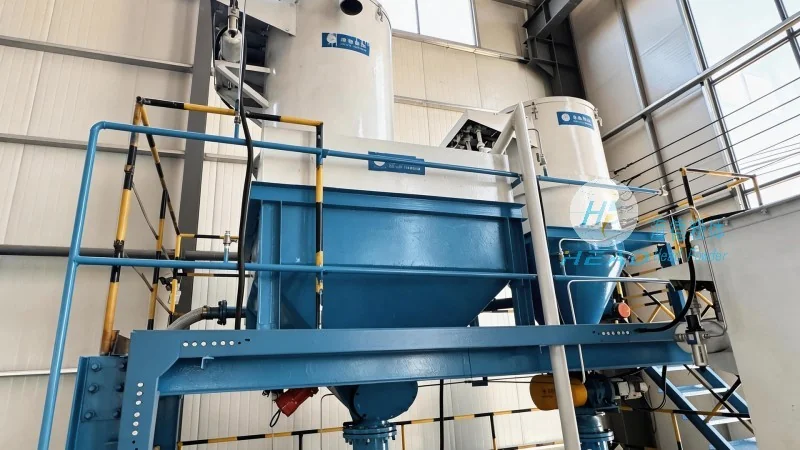
In summary, preventing pipeline blockages in pneumatic conveying systems for powdered electrolytes requires a comprehensive approach focusing on key design parameters and material handling expertise. By maintaining appropriate air velocity, selecting the right pipe diameter, and optimizing system configuration, operators can significantly reduce blockage risks. Companies such as Shandong HeadPowder Engineering Co., Ltd. play a vital role in this process by providing specialized engineering services and customized solutions that address the unique challenges of handling fine powders. Their expertise ensures that pneumatic conveying remains an efficient and reliable choice for transporting powdered electrolytes, supporting industrial productivity and cost-effectiveness.