Glycine, a widely used amino acid in the chemical and food industries, often requires efficient and reliable material handling solutions for its transportation. The pneumatic conveying machine designed specifically for glycine is a critical piece of equipment that ensures safe, clean, and efficient movement of this substance. This article delves into the fundamental principles behind these machines and explores the key characteristics of their working environments, providing insights into how they enhance operational efficiency in various industrial settings.
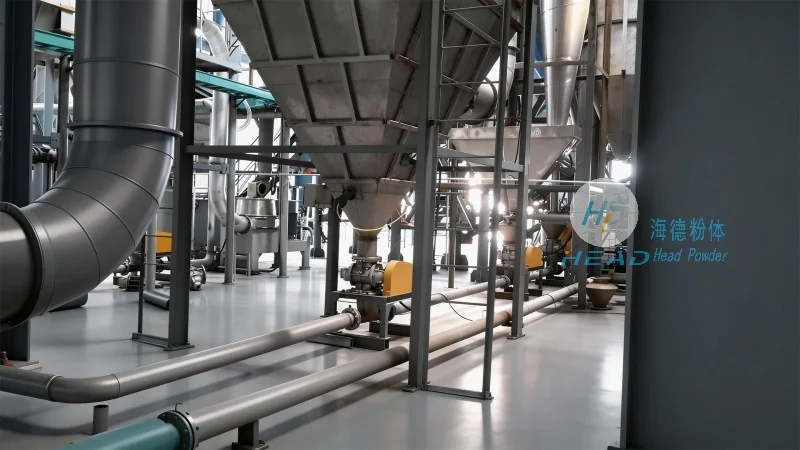
The Core Principle of Glycine Pneumatic Conveying Machines
The operation of a glycine pneumatic conveying machine is based on the principle of air flow and pressure differential. These systems typically consist of a hopper, a conveyor line, and a receiver. The process begins with the glycine material being fed into the hopper. As air is introduced into the system, it creates a flow that lifts and transports the material through the conveyor line. The air pressure and velocity are carefully controlled to ensure that the glycine particles are conveyed without damage or degradation. This method eliminates the need for mechanical components like belts or chains, reducing maintenance and increasing safety. The design of the conveying line, including the use of appropriate pipe diameters and bends, is crucial to maintain consistent air flow and prevent blockages, which are common issues in traditional bulk material handling.
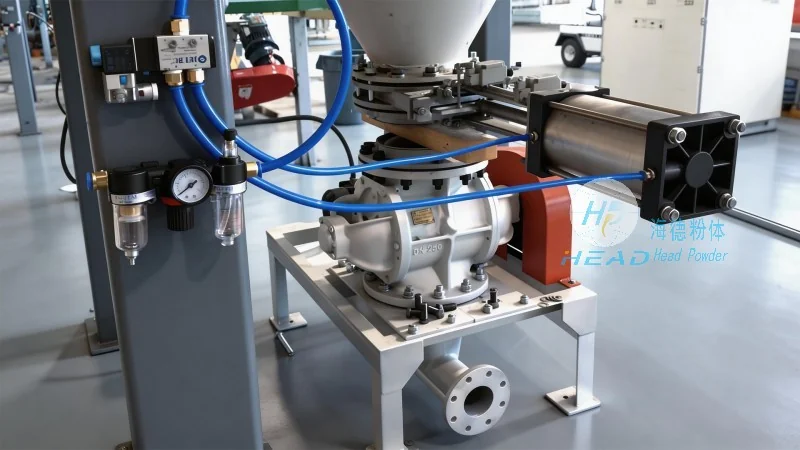
Key Working Scene Characteristics
The working scene characteristics of glycine pneumatic conveying machines are tailored to the specific requirements of the glycine industry. These machines are often used in environments where hygiene and contamination control are paramount, such as in pharmaceutical and food processing facilities. The enclosed design of the conveying system prevents dust and particles from escaping, maintaining a clean and safe working environment. Additionally, the system's ability to handle fine powders without clogging is essential, as glycine is often processed in a fine, powdery form. The working environment also considers the need for scalability, as production volumes can vary, and the machine must be able to adapt to different throughput requirements. The integration of these machines into existing production lines is seamless, allowing for a smooth transition from raw material handling to processing stages.
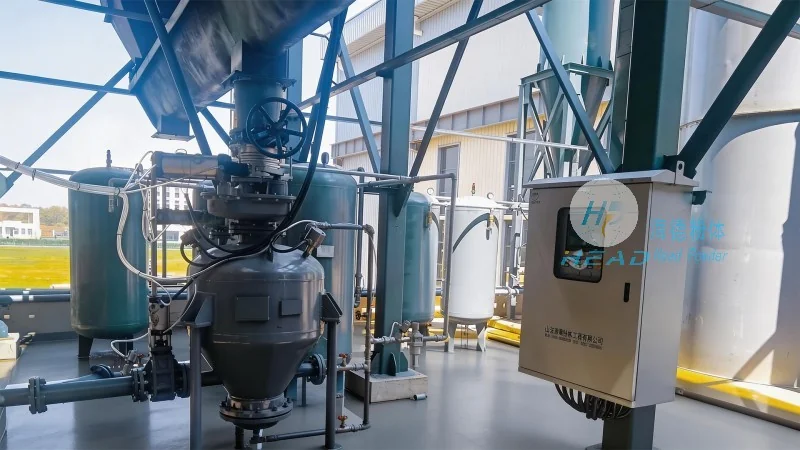
Application Scenarios in Industrial Settings
Glycine pneumatic conveying machines are employed in a variety of industrial applications, each with unique operational demands. In chemical manufacturing, these machines are used to transport glycine from storage silos to reaction vessels, ensuring a continuous supply of raw material. The precision in controlling the flow rate is critical here, as fluctuations can affect the chemical reaction efficiency. In the food and beverage industry, the machines are utilized in the production of glycine-based supplements and additives, where the hygienic design is non-negotiable. The ability to maintain low temperatures during transport is also a key feature, as glycine can be sensitive to heat. Furthermore, in research and development laboratories, these machines facilitate the handling of small quantities of glycine for experimental purposes, providing a controlled and accurate method of material transfer.
Advantages of Using Glycine Pneumatic Conveying Machines
Implementing a glycine pneumatic conveying machine offers several advantages over traditional material handling methods. Firstly, the enclosed system minimizes dust exposure, improving workplace safety and compliance with environmental regulations. Secondly, the lack of mechanical parts reduces maintenance costs and downtime, leading to higher operational efficiency. Thirdly, the system is highly flexible, allowing for changes in production volume and material type without significant modifications. The energy efficiency of pneumatic conveying is another benefit, as it uses compressed air, which can be optimized for lower energy consumption compared to other methods. Finally, the reliability of these machines in handling fine powders ensures consistent product quality, which is crucial in industries where glycine is used as a key ingredient.
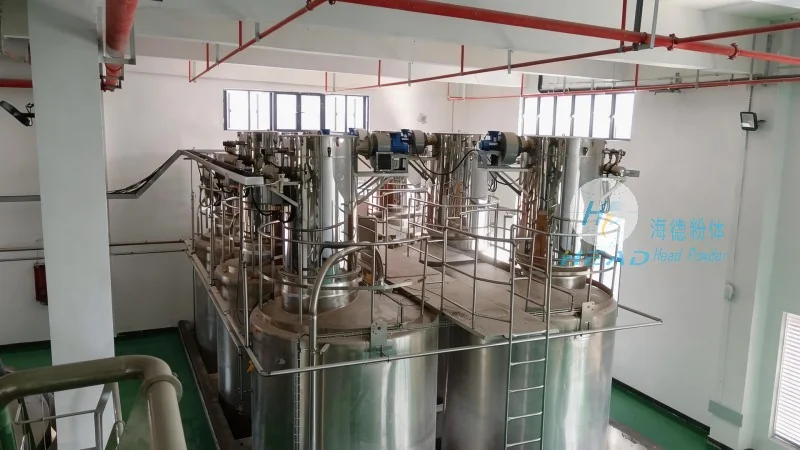
About Shandong HeadPowder Engineering Co., Ltd.
Shandong HeadPowder Engineering Co., Ltd., operating under the brand name headpowder, is a leading manufacturer of specialized pneumatic conveying equipment. With a focus on innovation and quality, the company has developed advanced solutions tailored to the needs of the glycine and other fine powder industries. HeadPowder's expertise lies in designing systems that are not only efficient but also compliant with industry standards for hygiene and safety. The company's manufacturing facility, located in Shandong, China, utilizes state-of-the-art technology and rigorous quality control processes to ensure that each machine meets the highest performance criteria. Clients benefit from the company's comprehensive support, including installation, maintenance, and technical assistance, ensuring long-term reliability and operational success.




