

Principle and Working Scene Characteristics of Cement Clinker Pneumatic Conveying Machines
In the cement production and processing sector, an efficient and reliable material conveying system is crucial for ensuring smooth production flow. Among these, cement clinker pneumatic conveying machines represent an advanced solution, leveraging unique transport principles and broad applicability to become indispensable in modern cement industry operations. This article delves into the core principles of cement clinker pneumatic conveying machines and analyzes their typical characteristics across different working scenarios, offering professional technical references for industry users.
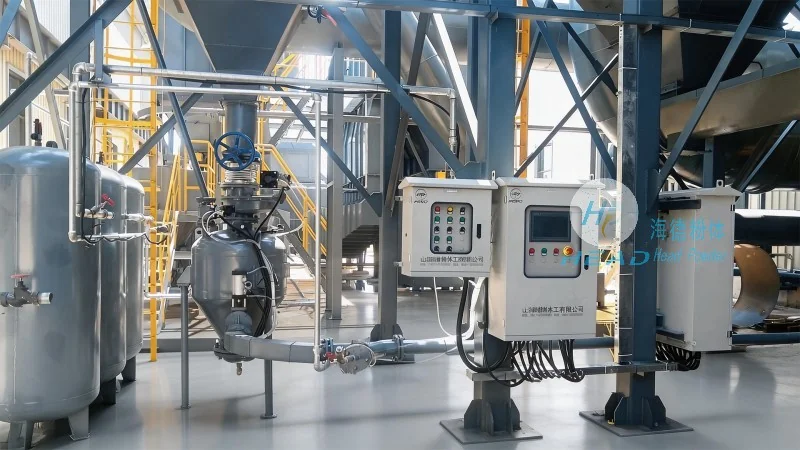
Cement Clinker Pneumatic Conveying Machine: Core Working Principle
The fundamental principle of cement clinker pneumatic conveying machines revolves around using compressed air to transport bulk materials, such as cement clinker, through a pipeline system. Unlike traditional mechanical conveyors, this technology eliminates complex machinery and high maintenance costs. The process typically begins with a hopper where clinker is fed into a sealed pipeline. Compressed air is then introduced, creating a low-pressure zone that draws clinker particles into the air stream. The air and material mixture travels through the pipeline to the destination, where the material is separated from the air and discharged. This method ensures continuous, efficient flow of clinker while minimizing dust generation and material loss, making it ideal for high-volume, high-purity applications in the cement industry.
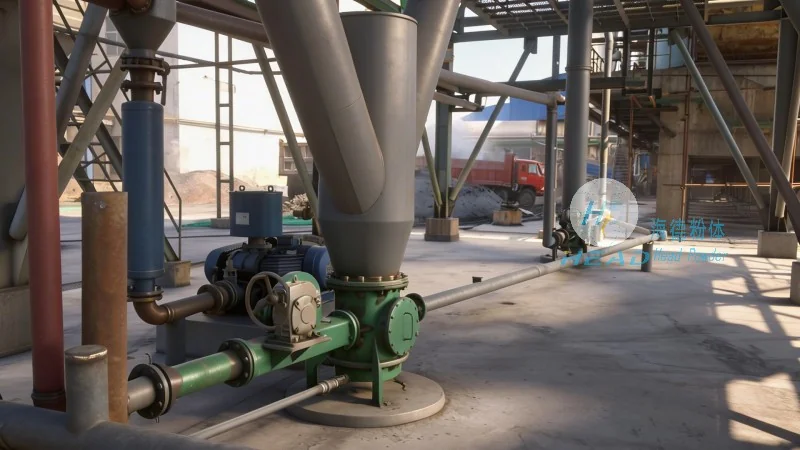
Key Working Scene Characteristics of Cement Clinker Pneumatic Conveying Machines
When assessing the suitability of cement clinker pneumatic conveying machines for industrial environments, several key characteristics define their performance. Firstly, the system's flexibility allows seamless integration into existing production lines, enabling manufacturers to adapt to changing production demands without major infrastructure changes. Secondly, the compact design reduces the required footprint in production facilities, a significant advantage for plants with limited space. Thirdly, the ability to handle abrasive materials like cement clinker without excessive component wear is a major benefit, extending equipment operational life and reducing maintenance intervals. Additionally, the system's capability to operate in both positive and negative pressure modes provides versatility, allowing it to handle materials at various production stages—from raw material transport to finished product delivery. These characteristics collectively make cement clinker pneumatic conveying machines a preferred choice for modern cement plants aiming to enhance operational efficiency and reduce costs.
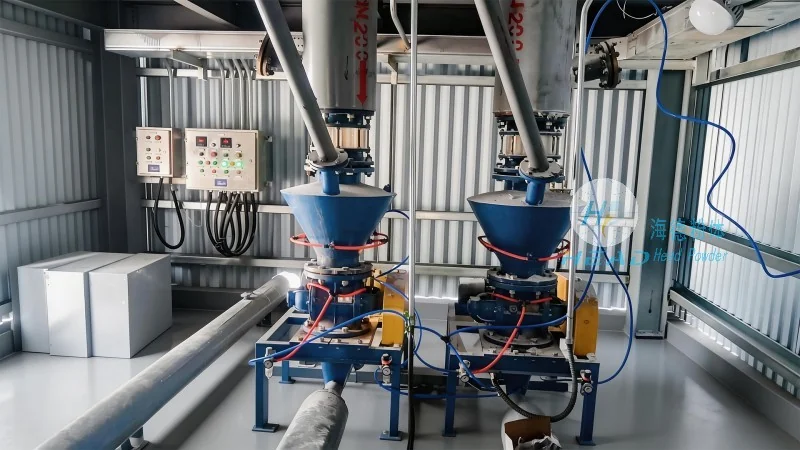
HeadPowder: A Leading Provider of Cement Clinker Pneumatic Conveying Solutions
Shandong HeadPowder Engineering Co., Ltd., headquartered in Shandong, China, is a reputable company specializing in the design, manufacturing, and supply of advanced material handling equipment, including cement clinker pneumatic conveying machines. With years of industry experience, HeadPowder has established itself as a trusted partner for cement manufacturers globally. The company's commitment to innovation and quality ensures its products meet the highest performance and reliability standards. By leveraging advanced engineering and rigorous quality control, HeadPowder delivers customized solutions tailored to each client's specific needs. Its products are recognized for durability, energy efficiency, and ease of maintenance, contributing to long-term cost savings for end-users. Whether for new plant installations or equipment upgrades, HeadPowder provides comprehensive support—from initial consultation to after-sales service—ensuring clients achieve optimal performance and operational efficiency.