

Preventing Dust Leakage in Pneumatic Conveying Systems for Pigment Masterbatch Particles
HeadPowder, a leading provider of engineering solutions, specializes in the design and implementation of pneumatic conveying systems tailored for the handling of pigment masterbatch particles. A critical challenge in this field is the prevention of dust leakage during material transport, which can impact operational efficiency, worker safety, and product quality. This article explores effective strategies and best practices to mitigate dust leakage in pneumatic conveying systems when transporting pigment masterbatch particles.
Understanding the Challenges of Pigment Masterbatch Handling
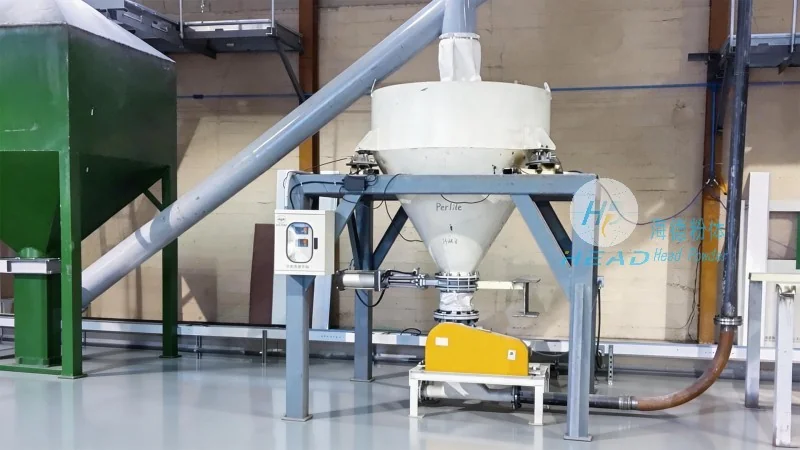
Pigment masterbatch particles are often fine, dry powders with a high propensity to generate dust. When these particles are conveyed through a pneumatic system, the pressure differentials and flow dynamics can cause particles to escape from the system, leading to dust leakage. This not only poses health risks to personnel due to inhalation of fine particles but also can contaminate the surrounding environment and affect downstream processes. Additionally, dust leakage can lead to material loss, increased maintenance costs, and potential regulatory non-compliance. Therefore, addressing dust leakage is a key concern for industries relying on efficient and safe material handling for pigment masterbatch applications.
Key Components and Technologies for Dust Control
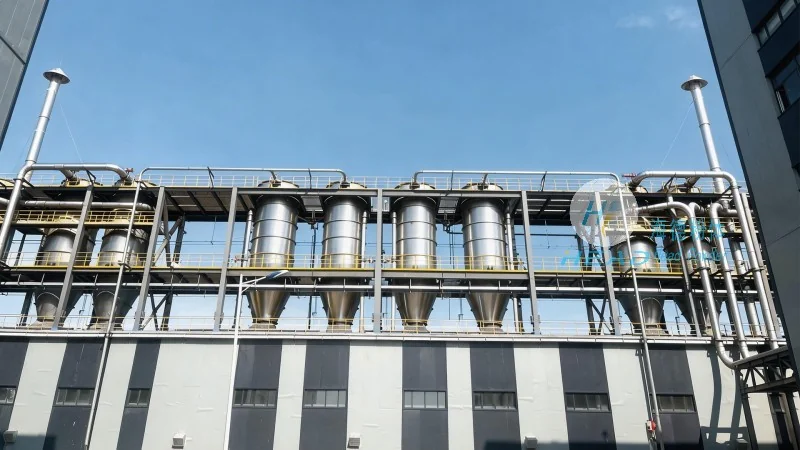
Several components and technologies are integral to preventing dust leakage in pneumatic conveying systems for pigment masterbatch particles. One of the primary measures is the use of high-quality, dust-tight fittings and connections throughout the system. These include sealed valves, connectors, and transition pieces that minimize gaps where dust can escape. The system design also incorporates features such as airtight hoppers and feeders that ensure the material is introduced into the conveying line without creating pressure differentials that could lead to leakage. Additionally, the use of appropriate filtration systems, such as cyclones or bag filters, helps to capture any escaped particles, maintaining air quality and preventing environmental contamination. Another critical aspect is the selection of suitable materials for the system components, such as stainless steel or corrosion-resistant alloys, which can withstand the abrasive nature of pigment masterbatch particles and maintain airtight integrity over time.
System Design and Operational Practices
The design of the pneumatic conveying system itself plays a significant role in preventing dust leakage. Systems that utilize positive pressure (pressure conveying) are generally more effective at containing particles compared to negative pressure (vacuum conveying) systems, as they maintain a higher pressure within the system, reducing the likelihood of particles escaping through leaks. Proper sizing of the conveying line and the use of appropriate velocity and pressure settings are also crucial. Excessive velocity can cause particle degradation and increase the risk of leakage, while insufficient velocity may lead to system blockages. The system should be designed with gradual transitions and smooth bends to minimize turbulence and pressure drops, which can contribute to dust generation and leakage. Regular maintenance and inspection of the system components are essential to identify and address any potential sources of leakage, such as worn seals, loose fittings, or damaged hoses. Implementing a preventive maintenance schedule ensures that the system remains in optimal condition, reducing the risk of dust leakage over time.
Case Study: HeadPowder's Solutions for a Leading Pigment Manufacturer
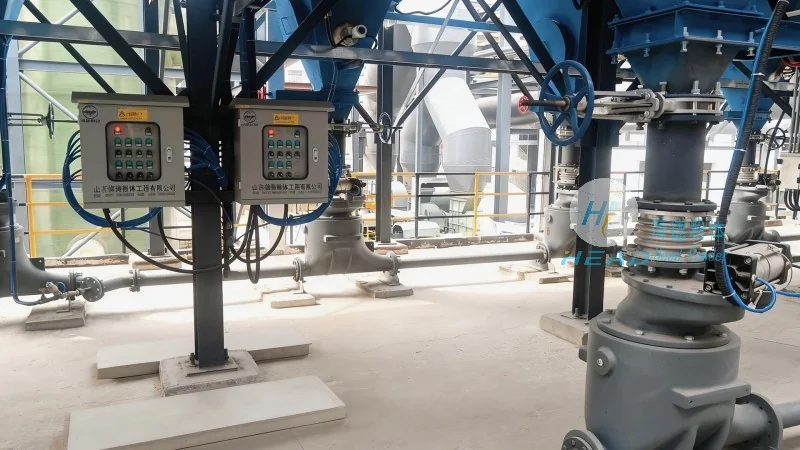
Shandong HeadPowder Engineering Co., Ltd., with its headquarters in China, has successfully implemented dust control solutions for a major pigment manufacturer. The client required a pneumatic conveying system to transport fine pigment masterbatch particles from storage silos to processing equipment without any dust leakage. HeadPowder designed a custom system that incorporated high-quality, airtight components, including sealed rotary valves and transition pieces, and installed a cyclone filtration system to capture any escaped particles. The system was designed using positive pressure conveying to maintain a consistent pressure differential, ensuring that particles remained contained within the system. After implementation, the client reported a significant reduction in dust leakage, improved worker safety, and reduced material loss. The system also demonstrated enhanced operational efficiency, with reduced downtime due to maintenance and improved product quality due to minimized contamination.
Conclusion and Recommendations
Preventing dust leakage in pneumatic conveying systems for pigment masterbatch particles is a multifaceted challenge that requires careful system design, high-quality components, and proper operational practices. By implementing strategies such as using dust-tight fittings, incorporating filtration systems, and maintaining proper pressure and velocity settings, industries can effectively mitigate dust leakage risks. HeadPowder, with its expertise in engineering solutions for material handling, offers tailored solutions that address these challenges, ensuring safe, efficient, and reliable transport of pigment masterbatch particles. For companies seeking to enhance their material handling processes and minimize dust leakage, partnering with a specialized engineering firm like HeadPowder can provide the necessary expertise and solutions to achieve optimal results.