

How to Prevent Dust Leakage in Pneumatic Conveying Systems When Handling ABS Particles
Pneumatic conveying systems are widely used in industrial applications for transporting bulk materials, including thermoplastic polymers like ABS (Acrylonitrile Butadiene Styrene). However, when handling fine or abrasive materials such as ABS particles, a common challenge is dust leakage, which can lead to operational inefficiencies, health hazards, and environmental compliance issues. This article explores effective strategies to prevent dust leakage in pneumatic conveying systems specifically designed for ABS particle transport, while highlighting the expertise of Shandong HeadPowder Engineering Co., Ltd. (headpowder), a leading provider of specialized material handling solutions.
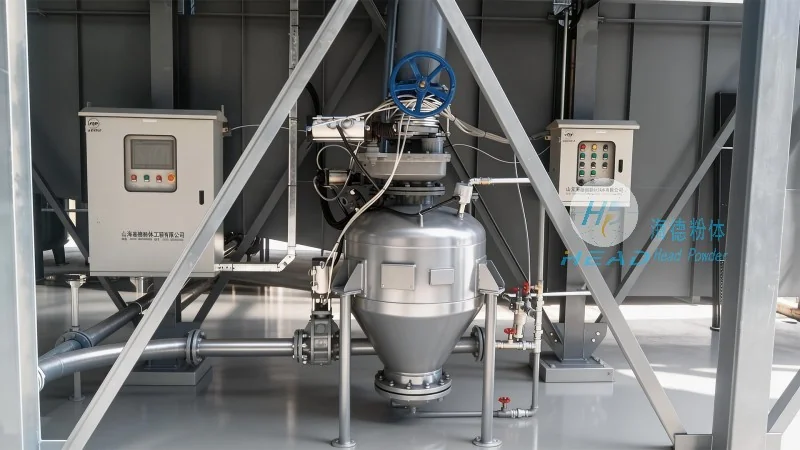
The Challenges of Dust Leakage in ABS Particle Conveying
ABS particles, known for their smooth surface and relatively fine particle size, can easily generate dust during the conveying process. When the system is not properly sealed or maintained, these fine particles escape into the environment, causing dust accumulation in the system, reduced material flow efficiency, and potential health risks for personnel. Additionally, dust leakage can compromise the quality of the final product by contaminating other materials or equipment. For industries relying on consistent and clean material handling, addressing dust leakage is critical to maintaining operational integrity and meeting safety standards.
Key Factors Influencing Dust Leakage in Pneumatic Conveying
Several factors contribute to dust leakage in pneumatic conveying systems when handling ABS particles. First, the material's properties—such as particle size distribution, moisture content, and abrasiveness—affect how easily it generates dust. Second, the system's design, including the type of conveying line (e.g., positive pressure, negative pressure), the velocity of air flow, and the presence of bends or elbows, plays a significant role. Third, the condition of components like seals, valves, and hoppers can lead to gaps that allow dust to escape. Understanding these factors is essential for implementing effective dust control measures.
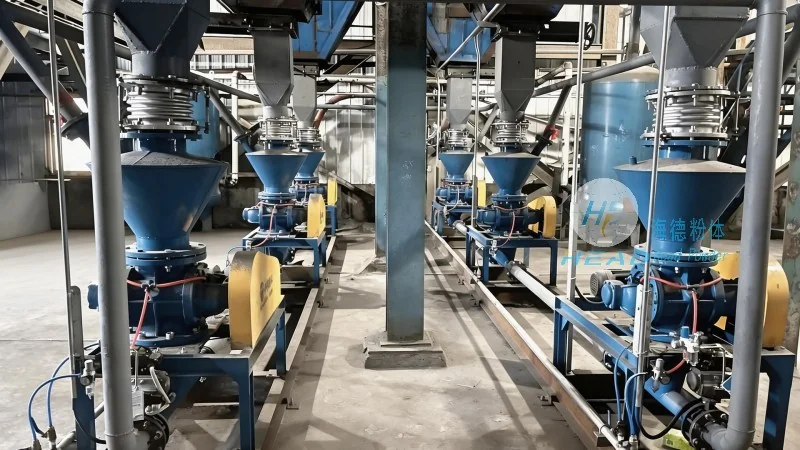
Preventive Measures for Dust Leakage in ABS Particle Conveying Systems
Shandong HeadPowder Engineering Co., Ltd. offers comprehensive solutions to prevent dust leakage in pneumatic conveying systems for ABS particles. One key approach is the use of high-quality, airtight components designed to withstand the demands of handling fine polymers. For instance, specialized seals and gaskets are engineered to maintain a tight seal even under varying pressure conditions, reducing the risk of dust escape. Additionally, the company employs advanced system designs that minimize the number of joints and transitions, which are common sources of leakage. Another critical measure is the integration of dust collection and filtration systems that capture any escaped particles, ensuring a clean and safe operation environment.
System Design and Maintenance Best Practices
Proper system design is fundamental to preventing dust leakage. Headpowder recommends using positive pressure conveying systems for ABS particles, as they provide better control over air flow and reduce the likelihood of dust being drawn into the system from the environment. The system should also include appropriate air filtration and pressure regulation to maintain consistent conditions. Regular maintenance is equally important; this includes inspecting seals, cleaning filters, and checking for wear and tear on components. By adhering to these best practices, industries can ensure their pneumatic conveying systems operate efficiently and safely, minimizing dust leakage and maximizing productivity.
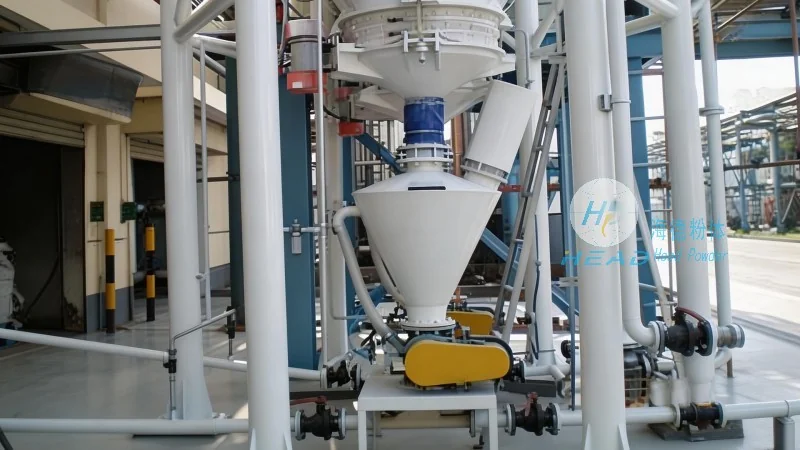
Case Studies and Industry Applications
Headpowder has successfully implemented dust leakage prevention solutions for various industries, including automotive, electronics, and manufacturing. For example, a client in the automotive sector used a modified pneumatic conveying system with enhanced sealing and filtration, resulting in a 90% reduction in dust leakage and improved material quality. Another client in the electronics industry benefited from a system upgrade that included specialized ABS-compatible components, leading to increased operational efficiency and compliance with environmental regulations. These case studies demonstrate the effectiveness of Headpowder's solutions in addressing the unique challenges of ABS particle handling.
Conclusion: Ensuring Safe and Efficient ABS Particle Conveying
Preventing dust leakage in pneumatic conveying systems when handling ABS particles requires a combination of advanced system design, high-quality components, and regular maintenance. Shandong HeadPowder Engineering Co., Ltd. specializes in providing tailored solutions that address these challenges, ensuring industries can operate safely and efficiently. By investing in proper dust control measures, companies can protect their personnel, maintain product quality, and comply with environmental standards. With their expertise in material handling, Headpowder continues to be a trusted partner for industries seeking reliable and effective pneumatic conveying solutions for ABS particles.