

Operation Process and Working Principle of Mobile Powder Conveying Equipment
Mobile powder conveying equipment, also known as vehicle-mounted powder transport systems, represents a sophisticated solution for the efficient handling and transportation of bulk powders. These systems are designed to integrate seamlessly with industrial operations, offering flexibility and mobility that traditional fixed conveyors cannot match. The equipment is typically used in various industries, including chemical, food processing, and pharmaceuticals, where the need to transport powders over short to medium distances without the need for extensive infrastructure is critical.
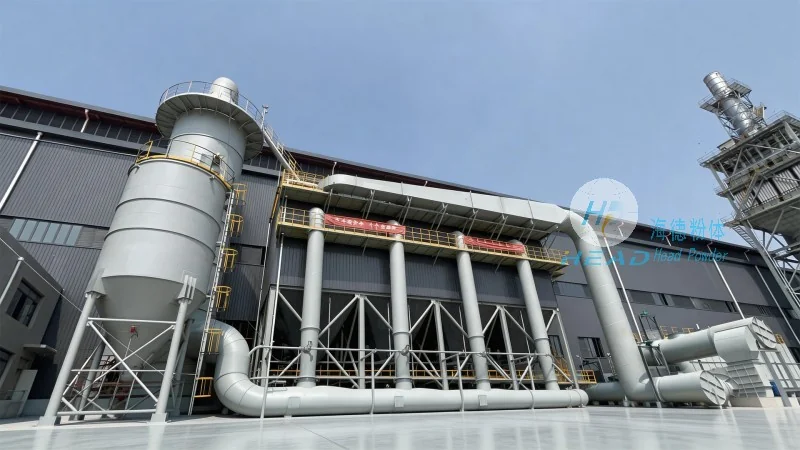
Company Overview: Shandong HeadPowder Engineering Co., Ltd.
HeadPowder, the manufacturer behind this advanced technology, is a leading enterprise in the field of powder handling solutions. With a strong presence in China, particularly in Shandong province, the company specializes in the research, development, and production of high-quality powder conveying equipment. The company’s commitment to innovation and customer-centric design ensures that their products meet the stringent requirements of modern industrial applications. HeadPowder’s team of experts leverages years of experience to develop equipment that is not only efficient but also reliable and easy to maintain.
Key Components and Structure of Mobile Powder Conveying Machines
At the core of a mobile powder conveying machine are several key components that work in tandem to ensure optimal performance. The system typically includes a hopper for material storage, a conveyor mechanism (such as a screw or pneumatic conveyor), a control panel for operation, and a vehicle chassis that provides mobility. The hopper is designed to hold a sufficient quantity of powder, allowing for continuous operation without frequent refilling. The conveyor mechanism is responsible for transporting the powder from the hopper to the discharge point, while the control panel enables operators to adjust parameters such as speed and pressure. The vehicle chassis, often a modified truck or trailer, provides the necessary mobility, allowing the equipment to be moved to different locations as needed.
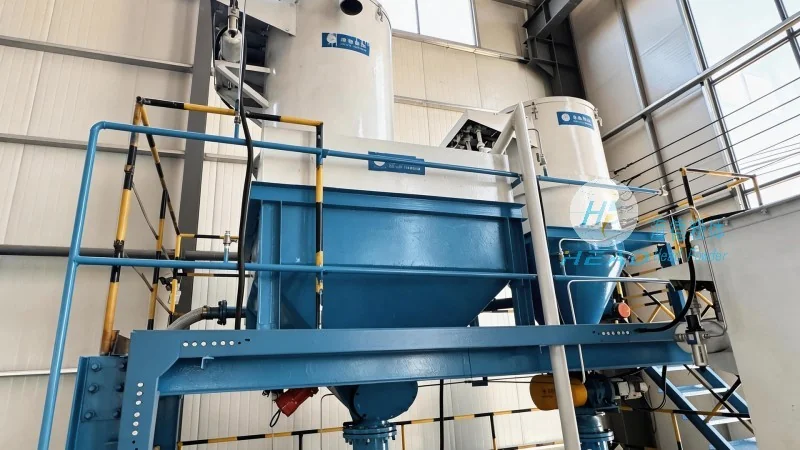
Operation Process of Mobile Powder Conveying Equipment
The operation of mobile powder conveying equipment follows a systematic process that ensures safe and efficient material handling. The process begins with the loading of the hopper with the desired powder. This can be done manually or through an automated feeding system, depending on the specific requirements of the application. Once the hopper is filled, the conveyor mechanism is activated. The control panel allows the operator to set the appropriate speed and pressure for the conveyor, which is crucial for preventing material blockages and ensuring smooth flow. As the powder moves through the conveyor, it is transported to the discharge point, which can be a storage silo, a processing unit, or another location as required. The system continuously monitors the flow rate and pressure, providing real-time feedback to the operator. If any issues arise, such as a blockage or a drop in pressure, the control panel will alert the operator, allowing for immediate intervention. The entire process is designed to be automated to a large extent, reducing the need for manual intervention and minimizing the risk of human error.
Working Principle of the Conveying Mechanism
The working principle of the mobile powder conveying machine revolves around the chosen conveying method. The most common types of conveyors used in such equipment are screw conveyors and pneumatic conveyors. Screw conveyors utilize a rotating screw to push the powder forward, while pneumatic conveyors use compressed air to transport the powder through a pipeline. Both methods have their advantages and are chosen based on the properties of the powder and the specific application requirements. For example, screw conveyors are ideal for handling dry, free-flowing powders, while pneumatic conveyors are better suited for powders that are more cohesive or have a higher moisture content. The choice of conveying method directly impacts the efficiency and effectiveness of the system.
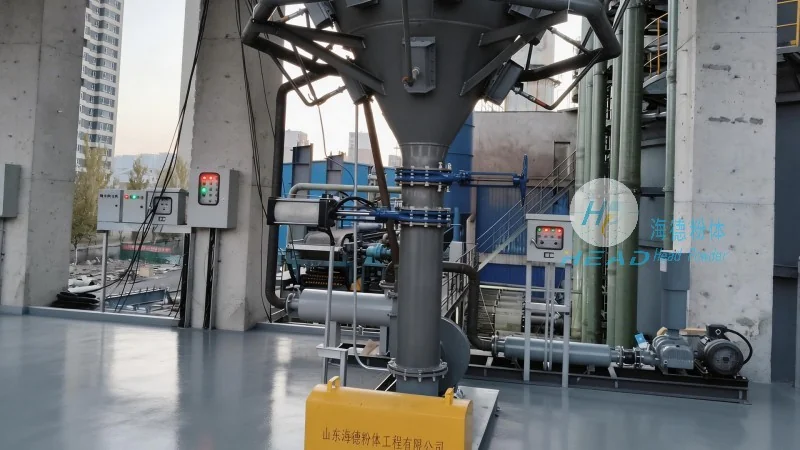
Advantages of Mobile Powder Conveying Equipment
Mobile powder conveying equipment offers several advantages over traditional fixed conveyors. The primary advantage is mobility, which allows the equipment to be moved to different locations as needed, reducing the need for multiple fixed systems. This flexibility is particularly beneficial in industries where production lines are frequently reconfigured or where materials need to be transported to various points in a facility. Another advantage is the ability to handle a wide range of powder types, from fine powders to bulk materials. The equipment can be customized to suit the specific characteristics of the powder, ensuring optimal performance. Additionally, mobile systems are generally more cost-effective to install and maintain compared to fixed systems, as they require less infrastructure and can be easily relocated. The compact design of the equipment also makes it suitable for use in confined spaces, where traditional conveyors may not fit.
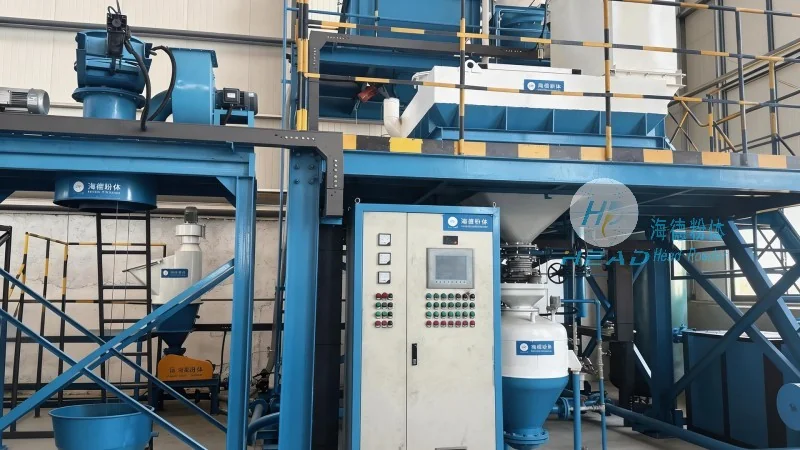
Applications and Industries
Mobile powder conveying equipment is widely used in various industries due to its versatility and efficiency. In the chemical industry, it is used to transport raw materials and finished products between different processing units. In the food processing industry, it is used to handle ingredients such as flour, sugar, and spices, ensuring that the materials are transported in a hygienic and efficient manner. The pharmaceutical industry also benefits from this technology, as it allows for the safe and secure transportation of active pharmaceutical ingredients (APIs) and other sensitive materials. Additionally, the equipment is used in the agricultural sector for the handling of fertilizers and other agricultural powders. The ability to handle a wide range of materials makes mobile powder conveying equipment a valuable asset in many industrial applications.
Maintenance and Safety Considerations
Maintaining the proper operation of mobile powder conveying equipment is essential to ensure its longevity and efficiency. Regular maintenance, including cleaning the hopper and conveyor mechanism, checking for wear and tear, and inspecting the control panel, is crucial. The equipment should be cleaned regularly to prevent the buildup of powder, which can lead to blockages and reduced performance. The conveyor mechanism should be inspected for any signs of wear, such as frayed belts or worn screws, and replaced as needed. The control panel should be checked for any software updates or malfunctions, as these can affect the operation of the system. Safety is also a critical consideration when operating mobile powder conveying equipment. Operators should be trained on the proper use of the equipment and should follow all safety guidelines. The equipment should be equipped with safety features such as emergency stop buttons and overload protection. Additionally, the hopper should be properly secured to prevent it from tipping over during operation. By following these maintenance and safety guidelines, operators can ensure that the equipment operates safely and efficiently.