Designing an efficient and reliable calcium chloride pneumatic conveying system is crucial for industrial applications, ensuring safe and effective material handling. This guide outlines key considerations and best practices to develop a well-structured plan tailored to specific operational needs.
Understanding the Core Requirements for Calcium Chloride Pneumatic Conveying
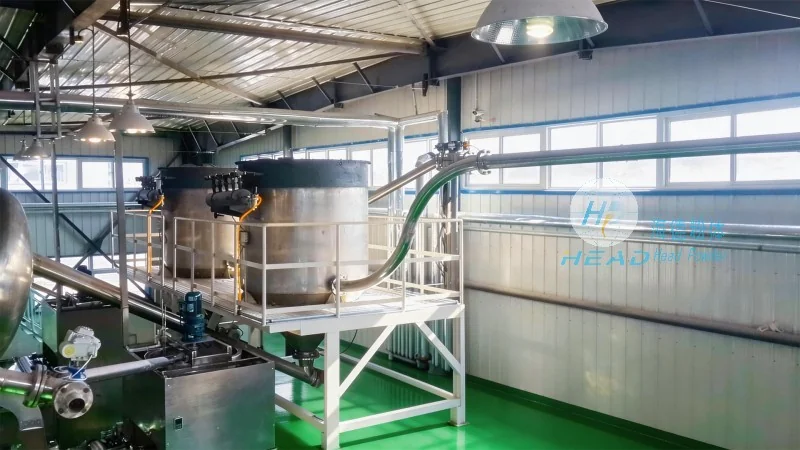
Before initiating the design process, it's essential to assess the material characteristics of calcium chloride, such as its bulk density, flowability, and moisture content. These properties directly impact the system's performance and the selection of appropriate equipment. For instance, calcium chloride is often hygroscopic, which may affect its handling behavior, especially in humid environments. Understanding these factors helps in choosing the right conveying method—whether it's dilute phase or dense phase—and the necessary components like pumps, valves, and filters.
System Layout and Component Selection
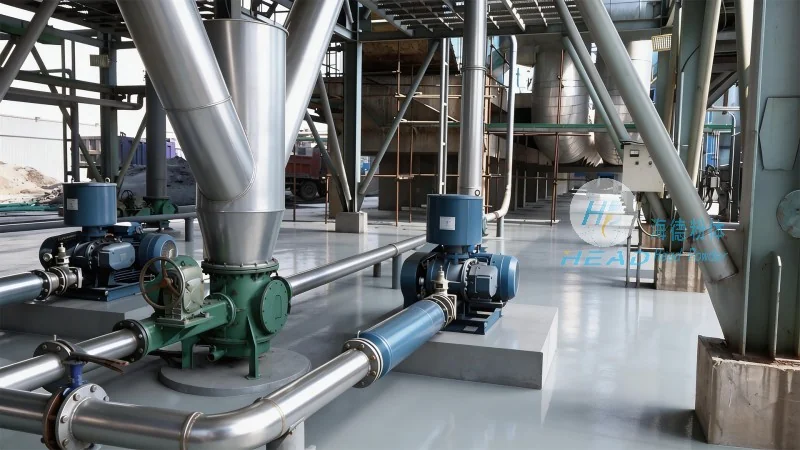
The layout of the pneumatic conveying system should be optimized to minimize material degradation and energy consumption. Key components include the material feed hopper, conveyor pipeline, air supply system, and collection hopper. The feed hopper must be designed to prevent blockages and ensure consistent material flow. For calcium chloride, which can be abrasive, selecting high-quality materials for the hopper and pipeline is critical to extend the system's lifespan. The air supply system, typically using a positive displacement blower or a rotary lobe pump, must be sized to provide sufficient pressure and airflow to move the material through the pipeline efficiently. Proper sizing of the pipeline diameter and length is also vital to maintain optimal velocity and prevent material settling or clogging.
Pressure and Flow Control Strategies
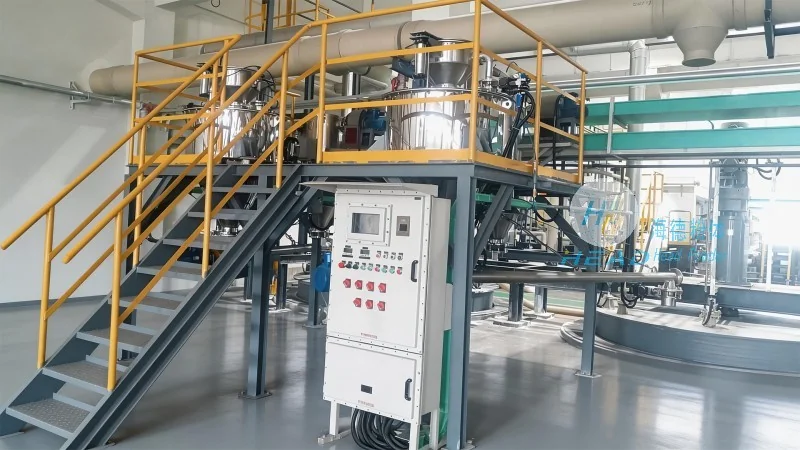
Effective pressure and flow control are essential for maintaining the stability of the calcium chloride conveying process. The system should incorporate pressure relief valves and flow meters to monitor and regulate the air and material flow. For dense phase conveying, where the material is conveyed in a slurry-like state, precise control of the air-to-material ratio is crucial to prevent overpressurization or under-conveying. In dilute phase systems, maintaining a consistent air velocity above the material's terminal velocity ensures smooth transport. Additionally, incorporating filters and cyclones in the system helps to separate any fine particles from the air stream, protecting downstream equipment and ensuring product purity.
Material Handling and Safety Considerations
When designing a calcium chloride pneumatic conveying system, safety is a top priority. Calcium chloride can be corrosive, so all components in contact with the material should be made of corrosion-resistant materials like stainless steel or specialized alloys. The system should also include safety features such as pressure relief valves, emergency shut-off valves, and proper ventilation to prevent the accumulation of dust or fumes. Regular maintenance and inspection of the system are necessary to ensure its continued safe operation. Additionally, considering the environmental impact, such as dust emissions, may require the installation of dust collection systems to comply with local regulations.
Integration with Existing Facilities and Scalability
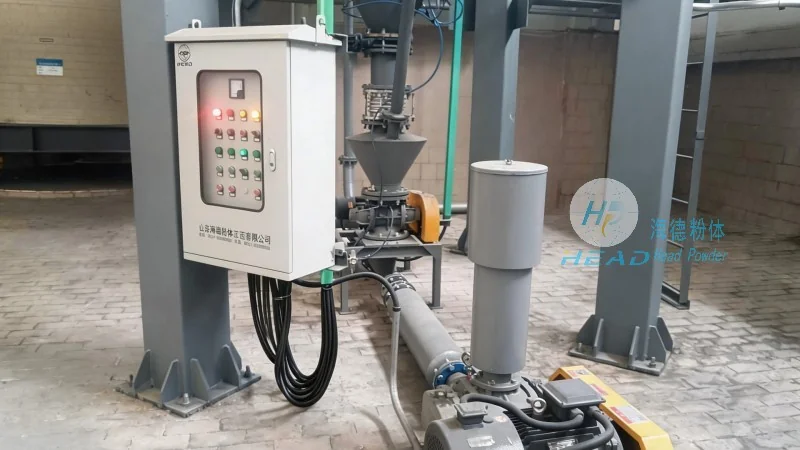
Designing a pneumatic conveying system that integrates seamlessly with existing industrial facilities is important for minimizing disruptions and maximizing efficiency. The system should be scalable to accommodate future expansion or changes in production volume. For example, if the calcium chloride processing plant plans to increase output, the conveying system should be designed with sufficient capacity to handle higher material flow rates. This may involve selecting larger diameter pipelines or more powerful air supply equipment. Proper planning during the design phase ensures that the system can adapt to future needs without requiring major overhauls.
Case Study: A Successful Calcium Chloride Pneumatic Conveying Implementation by Shandong HeadPowder Engineering Co., Ltd.
Shandong HeadPowder Engineering Co., Ltd., a leading provider of material handling solutions, has successfully implemented a calcium chloride pneumatic conveying system for a client in China. The project involved designing a dense phase system to transport calcium chloride from a storage silo to a processing plant over a distance of 200 meters. The system was engineered to handle 10 tons per hour of material, with a pressure of 0.8 MPa and an air flow rate of 500 m³/h. Key components included a stainless steel feed hopper, a positive displacement blower, and a cyclone separator. The system's performance has been exceptional, with minimal material degradation and high conveying efficiency. The client reported significant improvements in production throughput and reduced labor costs due to the automated conveying process. This case study highlights the expertise of Shandong HeadPowder in designing and implementing reliable calcium chloride pneumatic conveying systems tailored to specific industrial requirements.




