

What is Negative Pressure Vacuum Pneumatic Conveying? And What Are Its Design Principles?
For industries dealing with bulk materials, efficient and reliable material handling is crucial. Among the various methods available, negative pressure vacuum pneumatic conveying stands out as a sophisticated solution that offers numerous advantages over traditional systems. This article delves into the core concepts of negative pressure vacuum conveying, exploring its design principles and practical applications in material transport. By understanding the fundamentals, businesses can make informed decisions about integrating this technology into their operations.
What is Negative Pressure Vacuum Pneumatic Conveying?
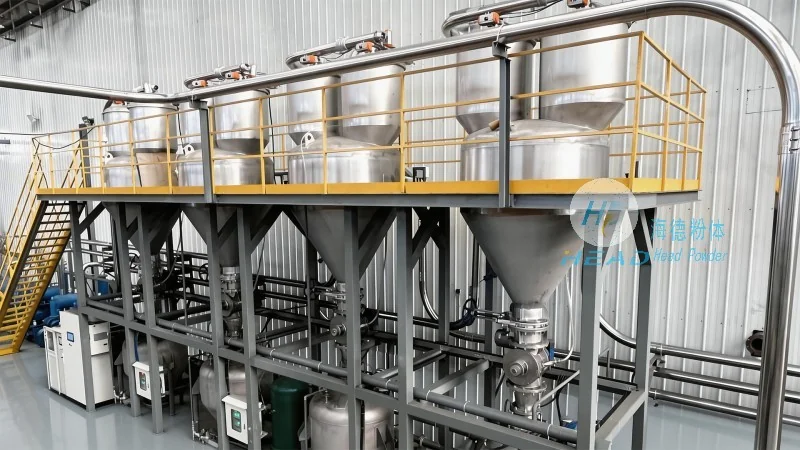
Negative pressure vacuum pneumatic conveying is a method of transporting bulk materials from a source to a destination using a vacuum system. Unlike positive pressure systems that force air and material through a pipeline, negative pressure systems create a low-pressure environment that draws material into the conveying line. This approach is particularly effective for handling fine powders, granules, and other dry materials, as it minimizes product degradation and ensures a clean, dust-free operation. The system typically consists of a vacuum pump, a material feed hopper, a conveying pipeline, and a receiving hopper, all working in tandem to achieve seamless material transfer.
Key Components of a Negative Pressure Vacuum Conveying System
The effectiveness of a negative pressure vacuum conveying system relies on several critical components, each playing a vital role in the overall operation. The vacuum pump is the heart of the system, responsible for creating the necessary vacuum to draw material into the pipeline. It can be a rotary vane pump, a liquid ring pump, or a Roots blower, depending on the application and material characteristics. The material feed hopper is where the bulk material is stored and fed into the system. It often includes a feeder mechanism, such as a rotary valve or a screw feeder, to control the flow rate and prevent material bridging or clogging. The conveying pipeline is made of materials like stainless steel or plastic, designed to withstand the vacuum conditions and prevent material degradation. The receiving hopper collects the material at the destination, ensuring a smooth discharge process.
Design Principles for Optimal Performance
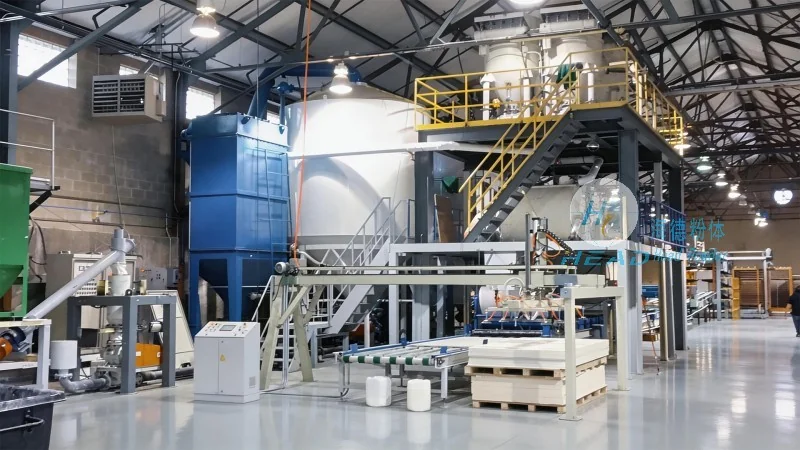
Designing a negative pressure vacuum conveying system requires careful consideration of several key principles to ensure optimal performance, efficiency, and durability. First, the system must be designed to handle the specific material characteristics, including particle size, moisture content, and flowability. The pipeline diameter and length are critical factors, as they directly impact the conveying velocity and pressure drop. A larger diameter reduces friction losses and allows for higher material flow rates, while a longer pipeline may require additional vacuum boosters or larger pumps to maintain the required vacuum level. Second, the system must be equipped with proper filtration and separation mechanisms to prevent material buildup and maintain air quality. This includes cyclone separators, bag filters, or cartridge filters that remove fine particles from the exhaust air. Third, the system should incorporate safety features, such as pressure relief valves and emergency shut-off mechanisms, to prevent over-pressurization and ensure safe operation. Additionally, the design should consider energy efficiency, using high-efficiency vacuum pumps and optimizing pipeline layout to minimize energy consumption.
Advantages of Negative Pressure Vacuum Pneumatic Conveying
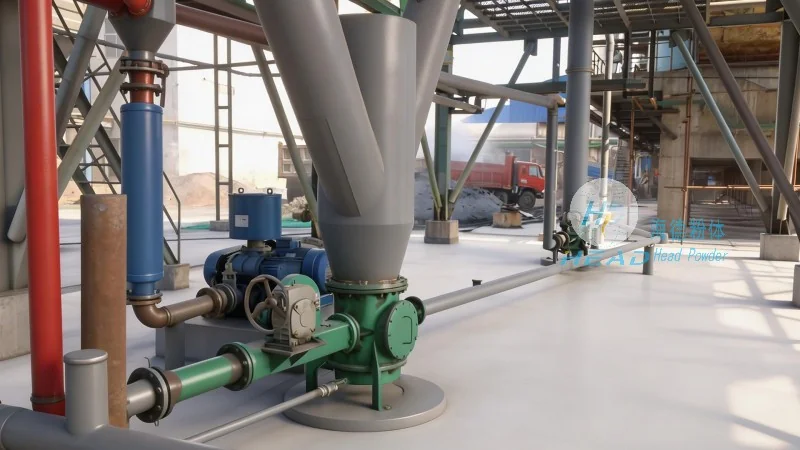
Compared to other material handling methods, negative pressure vacuum conveying offers several distinct advantages that make it a preferred choice for many industries. One of the primary benefits is its ability to handle fine and abrasive materials without causing product degradation. The low-velocity air flow in the pipeline reduces particle impact and friction, preserving the material's quality and integrity. Another advantage is the clean and dust-free operation, as the system draws material into the pipeline rather than expelling it, minimizing dust emissions and improving workplace safety. Additionally, negative pressure systems are more energy-efficient than positive pressure systems, as they require less power to operate and can handle longer conveying distances with less pressure drop. They also offer greater flexibility in system layout, allowing for horizontal, vertical, or even inclined pipelines without the need for complex modifications. Furthermore, the system is relatively easy to maintain and clean, with components that can be easily disassembled and serviced, reducing downtime and maintenance costs.
Applications in Various Industries
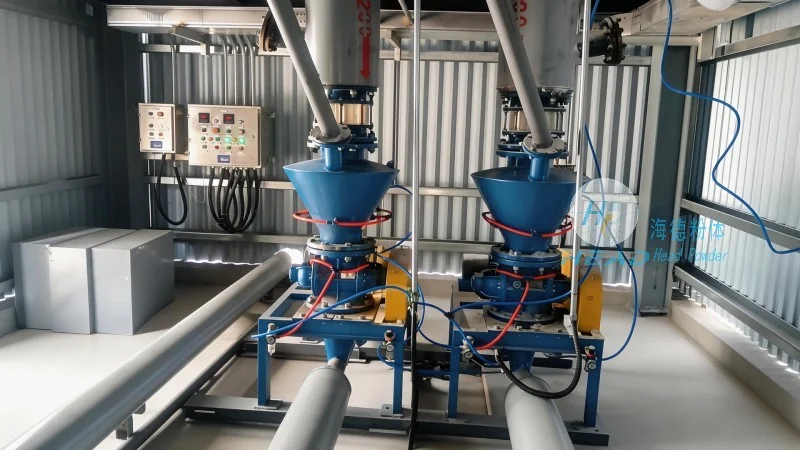
Negative pressure vacuum conveying is widely used across various industries due to its versatility and effectiveness. In the pharmaceutical and food industries, it is used to transport powders and granules, ensuring strict hygiene and product purity standards. The system's ability to handle fine powders without contamination makes it ideal for these applications. In the chemical industry, it is used to transport abrasive and corrosive materials, with stainless steel components providing resistance to wear and corrosion. The mining and mineral processing industry also utilizes negative pressure conveying for ore and mineral transport, particularly in applications where dust control and material integrity are critical. Additionally, the system is used in the agricultural sector for handling grain and other bulk agricultural products, as well as in the plastics and ceramics industries for transporting raw materials and finished products.
Conclusion and Company Overview
Negative pressure vacuum pneumatic conveying is a highly effective and versatile material handling solution that offers numerous benefits over traditional systems. By understanding its design principles and components, businesses can optimize their material transport processes, improve efficiency, and reduce costs. As a leading provider in the industry, Shandong HeadPowder Engineering Co., Ltd., based in China, specializes in designing and manufacturing high-quality negative pressure vacuum conveying systems tailored to the specific needs of various industries. With a commitment to quality, innovation, and customer satisfaction, HeadPowder offers reliable solutions that enhance operational efficiency and ensure product integrity. Whether for pharmaceutical, chemical, or industrial applications, their expertise in vacuum technology and material handling ensures that clients receive systems that meet the highest standards of performance and durability.