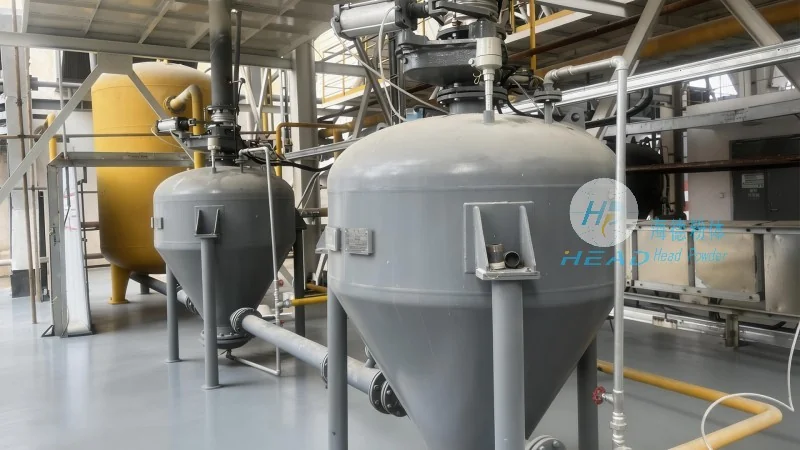
Automatic feeding pneumatic conveying is a technology widely used in industrial material handling, particularly for transporting bulk materials like powders and granules. This method involves using a stream of air to move materials from a source to a destination, often integrated with automated feeding systems to enhance efficiency and precision. The design principles of such systems are crucial for ensuring reliable operation, maintaining material quality, and optimizing process performance.
Introduction to Automatic Feeding Pneumatic Conveying
At Shandong HeadPowder Engineering Co., Ltd., we specialize in the design and implementation of advanced pneumatic conveying systems. Our focus is on creating solutions that meet the specific needs of various industries, including pharmaceuticals, food processing, and chemical manufacturing. The automatic feeding component is a critical feature that allows for continuous and unattended operation, reducing labor costs and improving overall productivity.
Core Components of an Automatic Feeding Pneumatic Conveying System
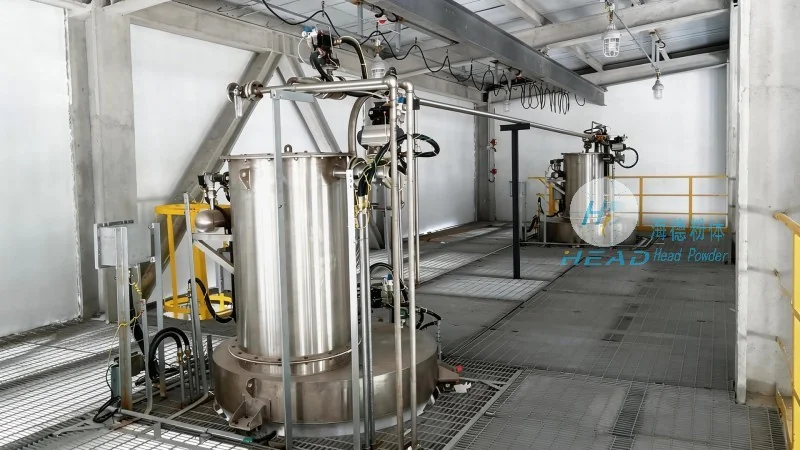
The effectiveness of an automatic feeding pneumatic conveying system relies on several key components. These typically include a feeding hopper, a material feeder (such as a rotary valve or screw feeder), a conveying pipeline, a dust collector, and a control system. The feeding hopper stores the material to be conveyed, while the material feeder regulates the flow rate into the pipeline. The conveying pipeline transports the material using a high-velocity air stream, which can be either positive or negative pressure depending on the system design. The dust collector captures any airborne particles, ensuring a clean and safe working environment. The control system manages the entire process, from material feeding to conveying, ensuring smooth and consistent operation.
Design Principles for Efficient Material Handling
Designing an effective automatic feeding pneumatic conveying system requires careful consideration of several factors. First, the material characteristics, such as particle size, density, and flowability, must be evaluated to determine the appropriate conveying method and equipment. For example, cohesive or fine powders may require a positive pressure system with a high air velocity to prevent blockages. Second, the system layout and pipeline design are critical. The pipeline should be sized and routed to minimize pressure losses and ensure uniform material distribution. Properly sized elbows and bends are essential to maintain air velocity and prevent material deposition. Third, the control system must be robust and user-friendly, allowing for real-time monitoring and adjustment of parameters such as air pressure, flow rate, and feeding speed. This ensures that the system operates within optimal parameters, reducing energy consumption and wear on components.
Advantages of Automatic Feeding Pneumatic Conveying
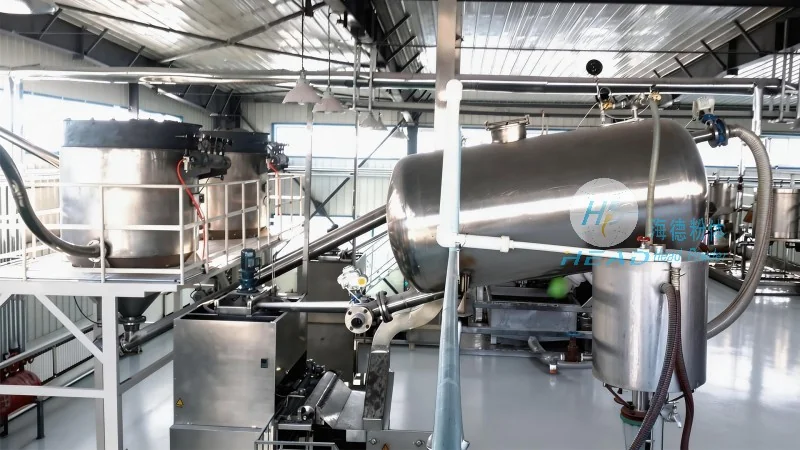
Implementing an automatic feeding pneumatic conveying system offers numerous benefits for industrial operations. One of the primary advantages is the ability to handle a wide range of materials, from fine powders to bulk granules, without the need for mechanical components that can cause contamination or wear. The system is also highly flexible, allowing for easy integration with existing production lines and expansion as needed. Additionally, the automated feeding feature reduces the risk of human error, ensuring consistent material flow and quality. This leads to improved product quality and reduced waste. Furthermore, the system can operate continuously, minimizing downtime and increasing overall productivity. The dust collection system also enhances workplace safety by removing airborne particles, creating a cleaner and healthier environment for operators.
Applications in Different Industries
Automatic feeding pneumatic conveying systems are used in various industries due to their versatility and efficiency. In the pharmaceutical industry, these systems are essential for handling sensitive materials, ensuring that they are transported without contamination or degradation. The food processing industry benefits from the hygienic design of the equipment, which meets strict regulatory standards for food safety. In the chemical industry, the system can handle corrosive or hazardous materials, providing a safe and controlled method of transport. Other applications include the handling of minerals, plastics, and agricultural products, where the system can improve material flow and reduce labor costs.
Conclusion
Automatic feeding pneumatic conveying is a sophisticated technology that enhances material handling efficiency and reliability. By integrating automated feeding with pneumatic conveying, industries can achieve continuous operation, improved product quality, and reduced labor costs. The design principles, including material analysis, system layout, and control system design, are critical to the success of such systems. At Shandong HeadPowder Engineering Co., Ltd., we provide expert solutions tailored to the specific needs of our clients, ensuring that their material handling processes are optimized for performance and longevity.




