Polycrystalline silicon is a critical raw material in the photovoltaic industry, and efficient material handling systems are essential for optimizing production lines. This article provides an in-depth look at the operation process and working principles of a polycrystalline silicon material handling system, highlighting the key components and operational flow that ensure smooth and reliable material transport.
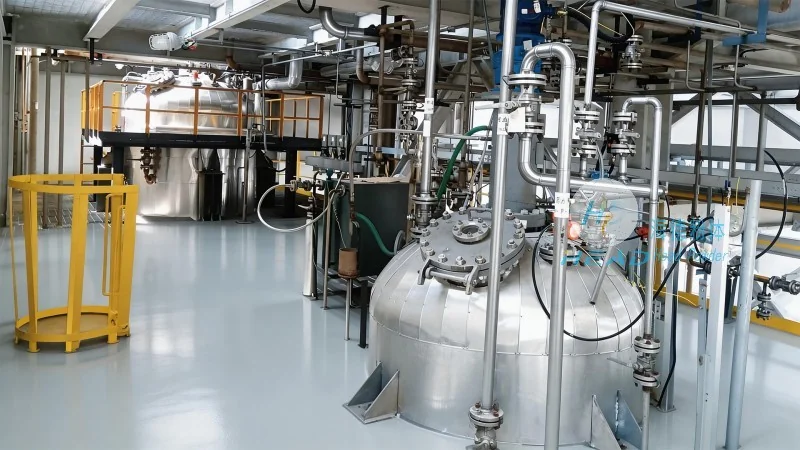
About HeadPowder: A Leading Provider of Material Handling Solutions
Shandong HeadPowder Engineering Co., Ltd., commonly known as HeadPowder, is a reputable company based in Shandong, China. With a strong focus on engineering excellence and customer-centric solutions, HeadPowder specializes in designing and manufacturing advanced material handling systems tailored to the needs of the solar energy sector. The company's expertise in polycrystalline silicon processing has enabled it to deliver high-performance systems that enhance productivity and operational efficiency for clients worldwide.
Overview of the Polycrystalline Silicon Material Handling System
The polycrystalline silicon material handling system is a sophisticated setup designed to manage the flow of silicon ingots, wafers, and other related materials from raw material storage to processing and packaging. The system integrates various components, including conveyors, hoists, storage racks, and control systems, to ensure seamless material movement throughout the production cycle. Each component is strategically positioned to minimize downtime and maximize throughput, making it an integral part of modern solar cell manufacturing facilities.
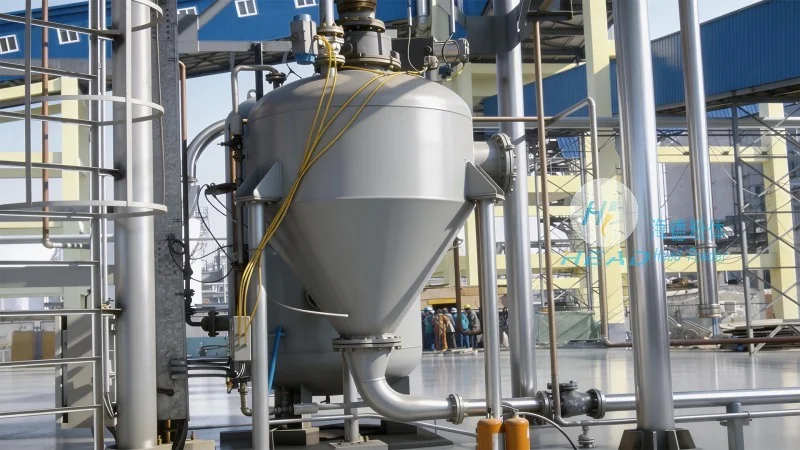
The Operation Process: Step-by-Step Flow
The operation process of the polycrystalline silicon material handling system typically follows a standardized sequence of steps to ensure consistent and efficient material transport. The process begins with the loading of raw polycrystalline silicon ingots into the system. These ingots are then transported to a storage area where they are organized and staged for further processing. From the storage area, the ingots are moved to a cutting or slicing station where they are converted into wafers. The wafers are then transferred to a cleaning and inspection area to ensure quality standards are met. Finally, the processed wafers are transported to the packaging and shipping section for distribution to solar panel manufacturers.
Working Principle: Core Mechanisms and Technologies
The working principle of the polycrystalline silicon material handling system relies on a combination of mechanical, electrical, and control technologies. The system utilizes conveyor belts, chain drives, and hoist mechanisms to move materials vertically and horizontally. Automated control systems, often equipped with sensors and programmable logic controllers (PLCs), monitor the entire process and adjust operations in real-time to maintain optimal performance. This integration of technologies ensures that the system can handle varying material loads, adapt to different production schedules, and provide reliable operation under diverse conditions.
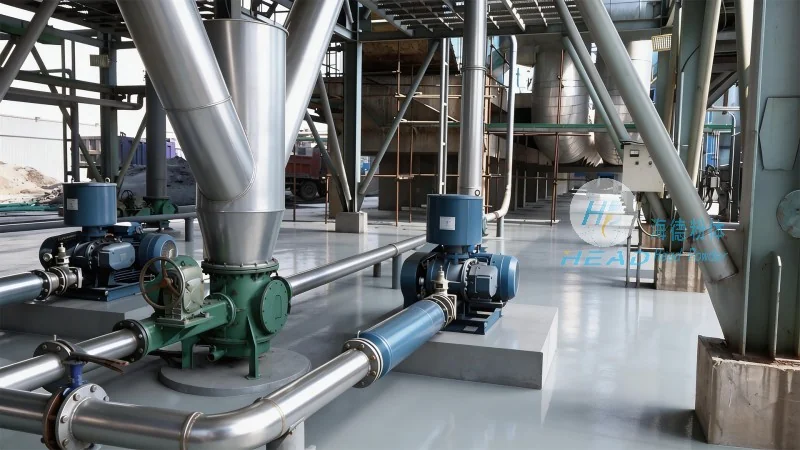
Key Features and Benefits of the System
HeadPowder's polycrystalline silicon material handling system offers several key features that contribute to its effectiveness and user-friendliness. These include high load capacity, low maintenance requirements, and energy-efficient operation. The system is designed to minimize material handling time, reduce labor costs, and enhance overall production efficiency. Additionally, the modular design allows for easy integration with existing production lines and future expansion as production needs grow.
Conclusion: Enhancing Production Efficiency with Advanced Material Handling
In conclusion, the operation process and working principles of the polycrystalline silicon material handling system are crucial for maintaining high productivity in solar cell manufacturing. By leveraging advanced technologies and a systematic approach to material transport, this system ensures that polycrystalline silicon is processed efficiently and reliably. As a leading provider of such systems, Shandong HeadPowder Engineering Co., Ltd. continues to innovate and deliver solutions that meet the evolving demands of the solar industry, helping clients achieve their production goals with greater efficiency and cost-effectiveness.




