For industries dealing with polytetrafluoroethylene (PTFE), selecting the right material handling solution is crucial. PTFE, known for its exceptional chemical resistance, low friction, and thermal stability, presents unique challenges when it comes to transport and processing. Pneumatic conveying systems have emerged as a highly effective method for handling PTFE materials, offering flexibility, efficiency, and the ability to maintain material integrity throughout the process. This article explores the different types of pneumatic conveying systems used in PTFE handling and their practical applications, highlighting the expertise of Shandong HeadPowder Engineering Co., Ltd. in providing tailored solutions for this demanding industry.
Understanding PTFE and Its Handling Requirements
Polytetrafluoroethylene (PTFE) is a synthetic fluoropolymer known for its non-stick properties and resistance to a wide range of chemicals and high temperatures. These characteristics make PTFE invaluable in applications such as coatings, bearings, and electrical insulation. However, its fine powder form or granular structure can be difficult to handle due to its light weight, tendency to generate static, and potential for dust accumulation. Traditional methods like belt conveyors or bucket elevators may not be suitable for PTFE due to the risk of material degradation or contamination. Pneumatic conveying systems address these challenges by using air to transport PTFE particles, ensuring a clean, controlled, and efficient transfer process.
Types of Pneumatic Conveying Systems for PTFE
Several types of pneumatic conveying systems are available for PTFE material handling, each with distinct characteristics and applications. The choice of system depends on factors such as the material's properties, the distance to be conveyed, the required flow rate, and the need for containment or dust control.
Positive Pressure Conveying Systems
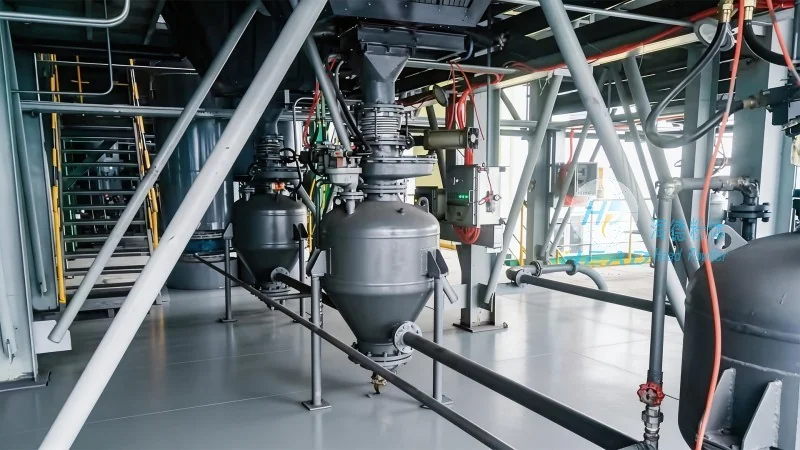
Positive pressure systems, also known as pressure or blow-through systems, operate by blowing air into the conveying line, pushing the material forward. These systems are ideal for conveying PTFE over long distances or through complex piping networks. They are particularly effective when the material is to be deposited at a specific location, as the air pressure can be controlled to achieve precise placement. Positive pressure systems are often used in applications where the material is sensitive to negative pressure or where dust containment is critical. The design typically includes a blower, a hopper for material storage, and a discharge point where the PTFE is released. This method ensures that the material remains in a controlled environment, minimizing exposure to contaminants and maintaining its purity.
Negative Pressure (Vacuum) Conveying Systems
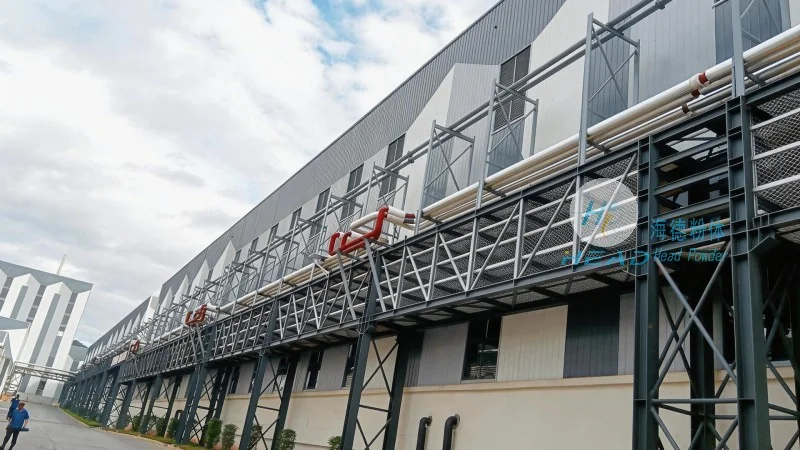
Negative pressure systems, or vacuum systems, operate by creating a vacuum in the conveying line, drawing the material into the system. These systems are well-suited for applications where the material needs to be collected from multiple sources or where the conveying distance is shorter. They are often used in environments where dust control is paramount, as the system draws material into a sealed container, preventing dust from escaping into the air. For PTFE handling, vacuum systems can be particularly effective when dealing with fine powders, as they can capture even the smallest particles without causing them to become airborne. The system typically includes a vacuum pump, a collection hopper, and a discharge point where the material is deposited. This approach ensures that the material is handled gently, preserving its quality and preventing agglomeration.
Mixing Pressure (Pressure-Vacuum) Conveying Systems
Mixing pressure systems combine elements of both positive and negative pressure systems, offering flexibility in conveying PTFE over varying distances and through different pipe configurations. These systems are designed to handle both short and long conveying tasks efficiently. By alternating between pressure and vacuum phases, the system can maintain a consistent flow rate and minimize energy consumption. For PTFE, mixing pressure systems are advantageous when dealing with a mix of materials or when the conveying route involves both upward and downward slopes. The ability to switch between pressure and vacuum modes allows for better control over the material's movement, ensuring that it remains in a stable state throughout the process. This type of system is often used in industrial settings where multiple processing steps are involved, as it can seamlessly integrate with existing equipment.
Practical Applications of PTFE Pneumatic Conveying
The versatility of pneumatic conveying systems makes them suitable for a wide range of PTFE applications. Here are some practical examples where these systems are commonly used:
Production Line Integration
In PTFE manufacturing facilities, pneumatic conveying systems are integrated into production lines to transport raw materials from storage to processing equipment. For instance, PTFE granules may be conveyed from bulk storage silos to extruders or mixers. The positive pressure system can be used to deliver the material directly to the processing unit, ensuring a continuous and uninterrupted supply. This integration improves production efficiency and reduces downtime, as the material is handled without manual intervention. The system's ability to maintain a consistent flow rate helps in achieving uniform processing, which is critical for maintaining the quality of PTFE products.
Quality Control and Sampling
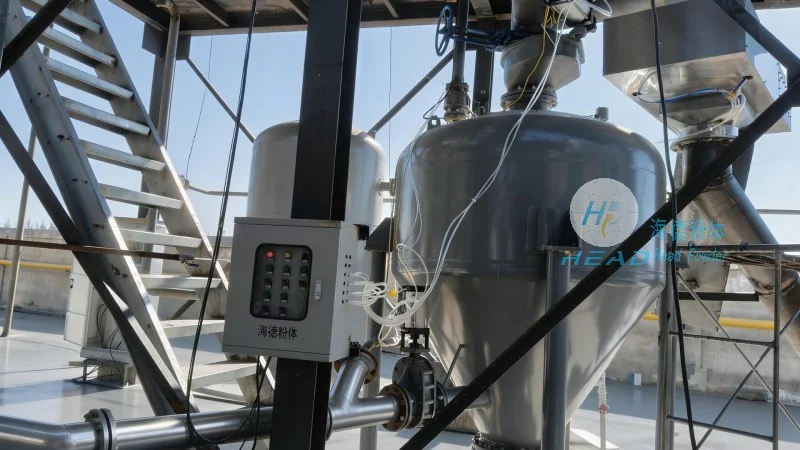
Pneumatic conveying systems are also used in quality control processes for PTFE. For example, when sampling PTFE powders for testing, a vacuum system can be employed to draw a representative sample from a bulk container. The sample is then transported to a laboratory for analysis, ensuring that the material is handled gently and without contamination. This method is particularly useful when dealing with fine PTFE powders, as it prevents the particles from becoming airborne and reduces the risk of cross-contamination. The controlled environment of the vacuum system maintains the integrity of the sample, providing accurate test results that are essential for product quality assurance.
Environmental and Safety Considerations
Handling PTFE requires careful consideration of environmental and safety factors. Pneumatic conveying systems help mitigate these concerns by providing enclosed transport, reducing dust emissions and exposure risks. The positive pressure systems, in particular, are effective in preventing dust from escaping into the workplace, as the air is directed away from the material and into a filtration system. This not only protects workers from inhalation hazards but also complies with environmental regulations regarding dust control. Additionally, the systems can be equipped with filters and scrubbers to further reduce emissions, ensuring that the handling process is both safe and environmentally responsible. For PTFE, which can be a fine powder, this is especially important as it can pose health risks if inhaled over prolonged periods.
Expertise of Shandong HeadPowder Engineering Co., Ltd.
Shandong HeadPowder Engineering Co., Ltd., a leading provider of material handling solutions, specializes in designing and implementing pneumatic conveying systems tailored to the unique needs of PTFE industries. With years of experience in the field, the company understands the challenges associated with handling PTFE and offers customized solutions that address specific operational requirements. The company's engineers work closely with clients to assess their material handling processes, identify bottlenecks, and recommend the most suitable pneumatic conveying system. Whether it's a positive pressure, negative pressure, or mixing pressure system, HeadPowder provides comprehensive services including system design, installation, and maintenance. The company's commitment to quality and customer satisfaction has made it a trusted partner for many PTFE manufacturers, helping them improve efficiency, reduce costs, and enhance product quality. Based in Shandong, China, HeadPowder leverages its local expertise and resources to deliver reliable and effective solutions for PTFE material handling, ensuring that clients can operate their facilities with confidence and compliance.




