

Classification and Composition of Corn Stalk Pneumatic Conveying Systems
Understanding the classification and components of corn stalk pneumatic conveying systems is crucial for efficient agricultural material handling. These systems are designed to transport corn stalks from collection sites to processing facilities, ensuring optimal performance and minimal material loss. The following sections will explore the different classifications and key components that make up these advanced conveying solutions.
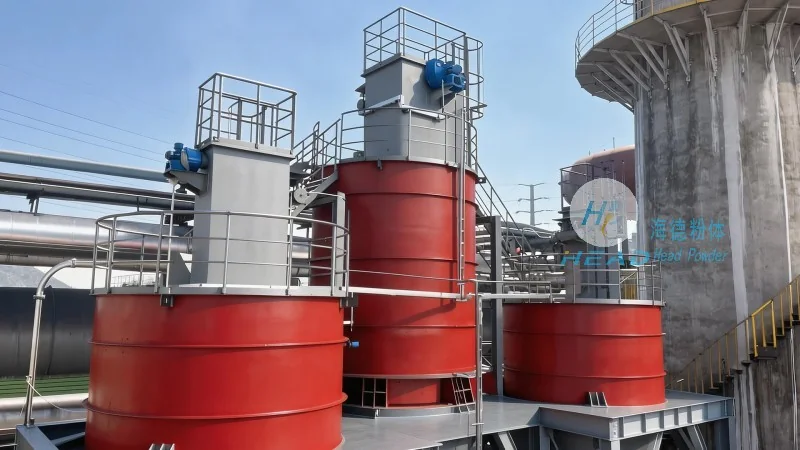
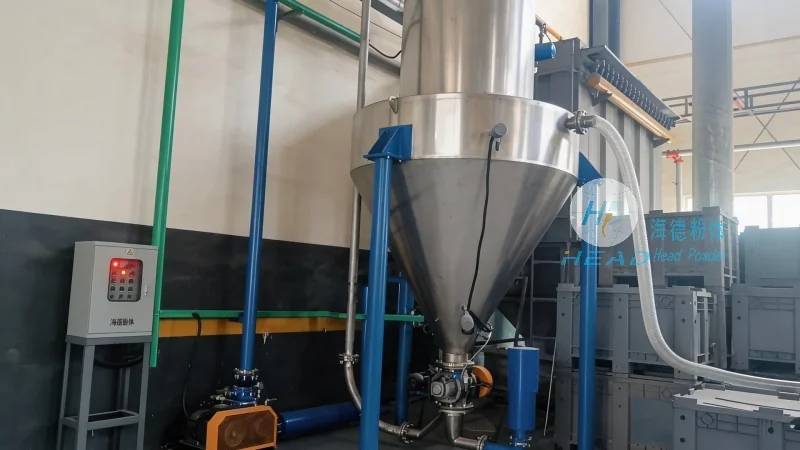
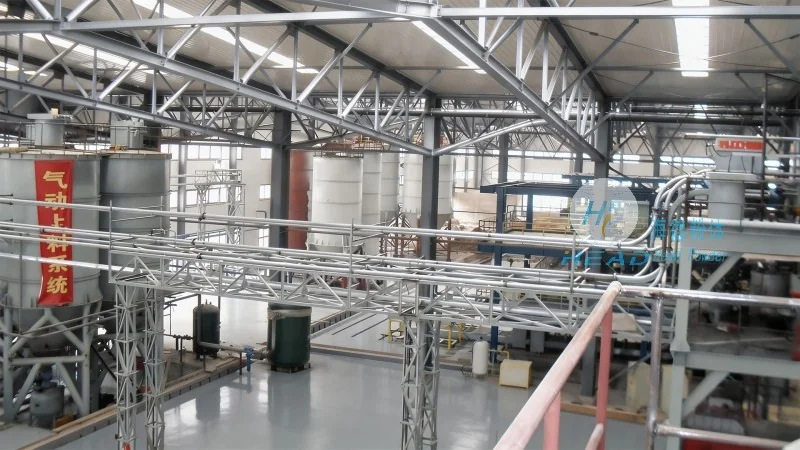
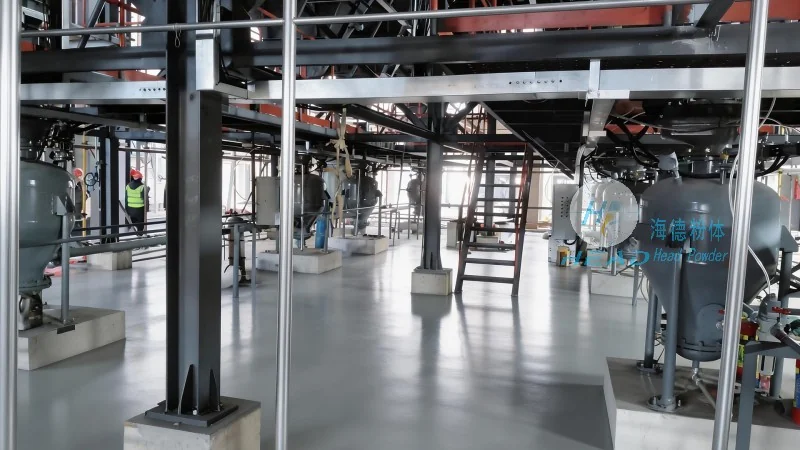
Classification of Corn Stalk Pneumatic Conveying Systems
Corn stalk pneumatic conveying systems are categorized based on the pressure differential and the direction of material flow. The primary classifications include suction (or negative pressure) systems, pressure (or positive pressure) systems, and mixed (or combined) systems. Suction systems operate by creating a vacuum in the conveying line, drawing material from the source into the system. This method is particularly effective for short to medium distances, typically up to 100 meters, and is commonly used in on-farm settings where the stalks are collected and need to be transported to a central storage or processing area. The key advantage of suction systems is their ability to handle light to medium material loads with minimal pressure requirements, reducing energy consumption and equipment costs. However, they are limited by the distance and the material's density, as excessive distance or heavy loads can lead to reduced conveying efficiency and increased pressure drop. Pressure systems, on the other hand, use positive pressure to push material through the pipeline. These systems are suitable for longer distances, often exceeding 100 meters, and can handle higher material loads, making them ideal for industrial applications where large volumes of corn stalks need to be transported to distant processing facilities. The main advantage of pressure systems is their ability to maintain consistent material flow over longer distances, with less sensitivity to distance and material characteristics compared to suction systems. However, they require higher energy input and more robust equipment to handle the higher pressure and material loads. Mixed systems combine elements of both suction and pressure systems, offering flexibility in handling different material types and distances. These systems can operate in either suction or pressure mode depending on the application, providing adaptability for various agricultural operations. The choice of system classification depends on factors such as the distance between the source and destination, the material load, the required conveying speed, and the available space for equipment installation.