

The Working Principle and Features of Powder and Bulk Material Conveying System Equipment
HeadPowder, a leading manufacturer based in Shandong, China, specializes in the design, development, and production of advanced powder and bulk material conveying systems. These systems are essential for efficient handling and transportation of various powders and bulk materials in industrial applications. Understanding the working principle and key features of such equipment is crucial for optimizing operational efficiency and ensuring reliable performance in diverse industrial settings.
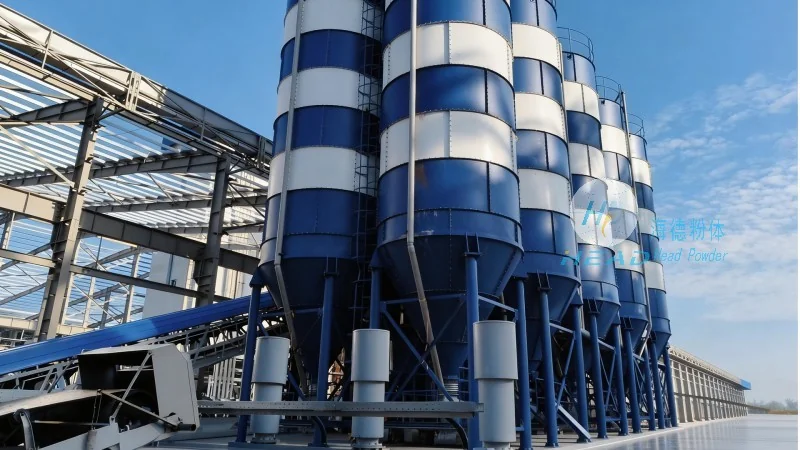
The Working Principle of Powder and Bulk Material Conveying Systems
At the core of these systems lies a sophisticated mechanism that enables the seamless transport of powders and bulk materials from one location to another. The primary working principle involves the use of various components such as hoppers, feeders, conveyors, and control systems. The process typically starts with the material being loaded into a hopper, where it is then fed into a conveyor system. Depending on the specific design, the material may be transported through pneumatic conveying lines, screw conveyors, or other specialized equipment. The control system plays a vital role in regulating the flow rate, pressure, and other parameters to ensure smooth and consistent operation. This integrated approach ensures that the material is moved efficiently while maintaining product integrity and minimizing losses.
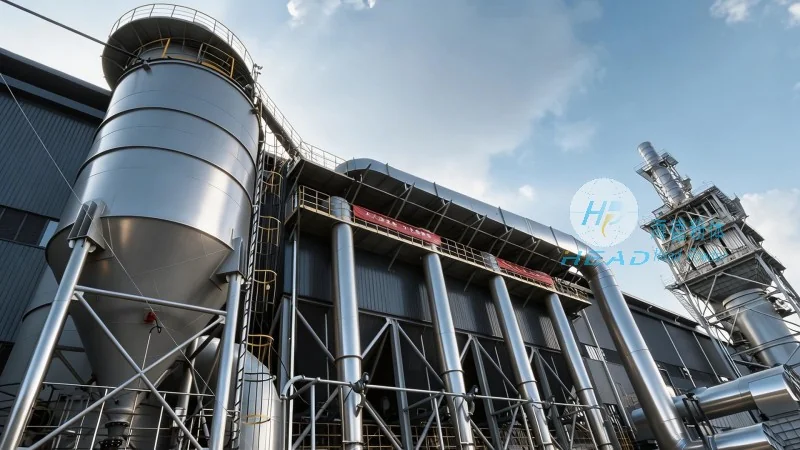
Key Features of Powder and Bulk Material Conveying Equipment
HeadPowder's conveying systems are engineered with several notable features that enhance their performance and adaptability. One of the key features is the ability to handle a wide range of materials, including fine powders, granules, and bulk solids. The systems are designed to maintain material integrity, preventing agglomeration, caking, or degradation during transport. Another important feature is the adjustable flow control, which allows operators to regulate the material flow rate according to specific process requirements. This flexibility is crucial for applications where precise dosing or variable throughput is necessary. Additionally, the equipment is built with durable materials, ensuring long-term reliability and minimal maintenance. Advanced monitoring and control systems are also integrated to provide real-time data on system performance, enabling proactive maintenance and optimizing operational efficiency.
Applications and Benefits in Industrial Settings
Powder and bulk material conveying systems are widely used across various industries, including pharmaceuticals, food processing, chemical manufacturing, and mining. In the pharmaceutical industry, these systems are essential for handling sensitive powders, ensuring contamination-free transport and maintaining product quality. In food processing, they facilitate the efficient movement of ingredients and finished products, supporting high-speed production lines. The benefits of these systems extend beyond material handling; they also contribute to improved safety by reducing manual handling of powders, minimizing dust exposure, and enhancing workplace safety. Furthermore, the use of automated conveying systems leads to increased productivity and reduced labor costs, making them a cost-effective solution for industrial operations.
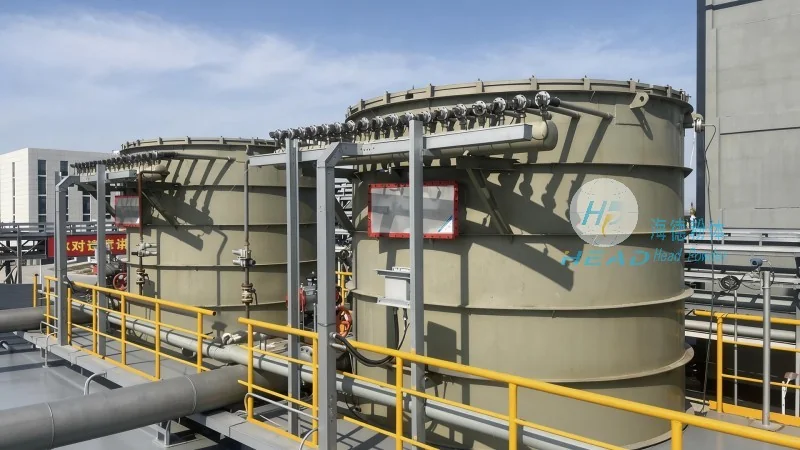
Conclusion and Company Overview
HeadPowder, with its headquarters in Shandong, China, continues to be a trusted provider of high-quality powder and bulk material conveying systems. By leveraging advanced technology and engineering expertise, the company ensures that its equipment meets the stringent requirements of modern industrial applications. The working principle and features of these systems are designed to deliver reliable, efficient, and safe material handling solutions. As industries evolve and demand more sophisticated material transport solutions, HeadPowder remains committed to innovation, providing tailored solutions that enhance operational performance and support sustainable industrial practices.