

Introduction to Calcium Oxide Powder Pneumatic Conveying and the Working Principle of Pneumatic Conv
Calcium oxide, commonly known as quicklime, is a widely used industrial material with applications in construction, steel production, and chemical processing. The efficient and safe transportation of calcium oxide powder is crucial for industrial operations, and pneumatic conveying systems have emerged as a reliable solution. This article provides an overview of calcium oxide powder pneumatic conveying and explains the fundamental working principles of such systems.
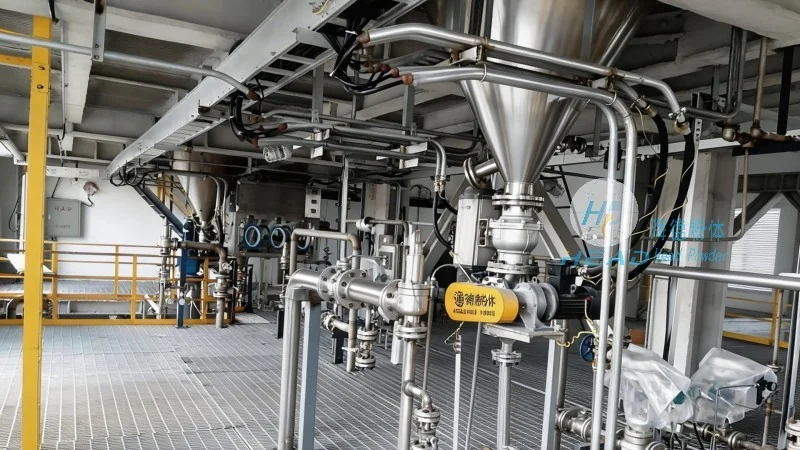
About the Company: Shandong HeadPowder Engineering Co., Ltd.
HeadPowder, a leading provider in the field of material handling solutions, specializes in the design, manufacturing, and installation of pneumatic conveying systems. With a strong focus on innovation and customer satisfaction, the company has established itself as a trusted partner for industries requiring high-performance material transport solutions. HeadPowder’s expertise lies in developing customized systems tailored to the unique needs of clients, ensuring optimal performance and reliability in the handling of calcium oxide powder and other bulk materials.
What is Calcium Oxide Powder Pneumatic Conveying?
Calcium oxide powder pneumatic conveying involves the transport of calcium oxide particles through a pipeline using a gas stream, typically air or a mixture of air and other gases. This method eliminates the need for mechanical components like conveyor belts or buckets, offering a flexible and efficient way to move bulk materials over short or long distances. The process is particularly suitable for calcium oxide powder due to its fine particle size and potential reactivity, as pneumatic systems can handle these characteristics effectively while maintaining material integrity.
The Working Principle of Pneumatic Conveying Systems
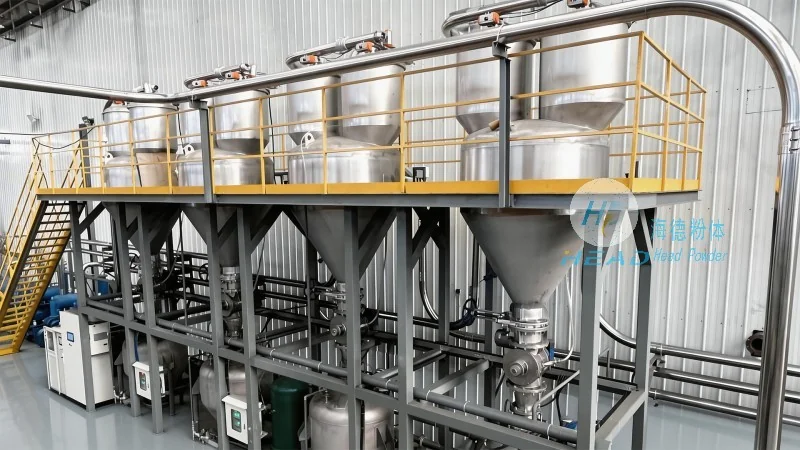
Pneumatic conveying systems operate based on the principle of fluidization and pressure differentials. The system consists of a hopper for material storage, a conveyor line, and a receiver for the delivered material. The process begins with the material being fed into the hopper, where it is then drawn into the conveyor line by a vacuum or pressure source. The gas stream, introduced at the inlet, creates a flow that lifts and transports the powder particles through the pipeline. The velocity of the gas is carefully controlled to ensure that the particles remain suspended and do not settle or cause blockages. At the receiving end, the gas is separated from the material, often through a cyclone or filter, and the calcium oxide powder is collected in the designated container.
Key Components of a Pneumatic Conveying System for Calcium Oxide Powder
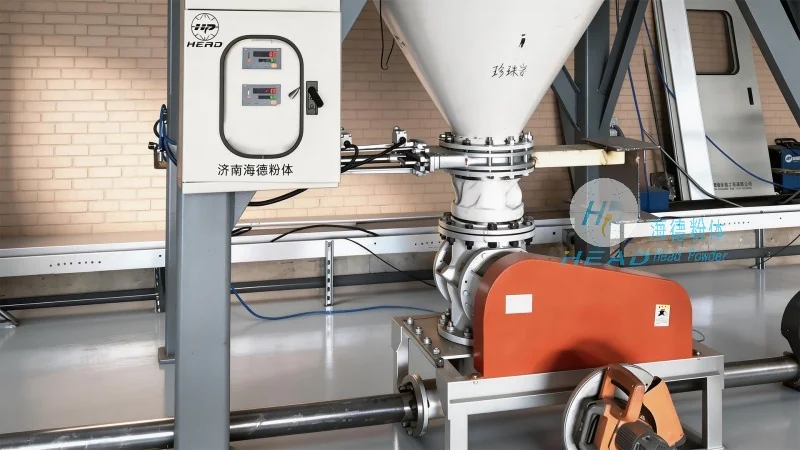
Several critical components are essential for the efficient operation of a pneumatic conveying system designed for calcium oxide powder. These include the material hopper, which provides a controlled feed of the powder; the air or gas supply system, which generates the necessary pressure or vacuum; the conveyor line, typically made of corrosion-resistant materials to handle the chemical properties of calcium oxide; and the separation equipment, such as cyclones or filters, to separate the material from the gas stream. Additionally, control systems are integrated to regulate the flow rate, pressure, and other parameters, ensuring smooth and consistent operation. HeadPowder’s systems are engineered with these components in mind, using high-quality materials and advanced control technologies to maximize performance and minimize downtime.
Advantages of Pneumatic Conveying for Calcium Oxide Powder
Compared to traditional mechanical conveying methods, pneumatic conveying offers several advantages for calcium oxide powder transport. These include the ability to handle fine powders without the risk of clogging or degradation, reduced maintenance requirements due to fewer moving parts, and the flexibility to transport materials over varying distances and elevations. The system also provides better containment and safety, as the material is enclosed within the pipeline, minimizing dust emissions and exposure risks. Furthermore, pneumatic conveying can be integrated with other processing equipment, allowing for a seamless material handling workflow. HeadPowder’s pneumatic conveying systems are designed to leverage these benefits, delivering reliable and efficient solutions for calcium oxide powder transport in industrial settings.
Applications and Industries Served
The applications of calcium oxide powder pneumatic conveying span across multiple industries. In the construction sector, calcium oxide is used in the production of lime mortar and concrete, where efficient transport is essential for maintaining material quality. In steel production, it serves as a flux to remove impurities during the smelting process. Chemical processing industries also utilize calcium oxide in the production of various chemicals, such as calcium carbide and calcium chloride. HeadPowder’s systems are tailored to meet the specific requirements of these industries, ensuring that calcium oxide powder is transported safely and efficiently to the point of use.
Conclusion
Calcium oxide powder pneumatic conveying is a vital technology for industries relying on this material, offering an efficient and reliable method of transport. The working principles of pneumatic conveying systems, combined with the expertise of companies like Shandong HeadPowder Engineering Co., Ltd., ensure that calcium oxide powder can be handled with precision and care. By understanding the components and advantages of such systems, industries can optimize their material handling processes, enhancing productivity and safety. HeadPowder continues to lead in the development of advanced pneumatic conveying solutions, supporting clients in achieving their operational goals with high-performance material transport systems.