For industries dealing with ceramic powders, selecting the right pneumatic conveying system is crucial for efficiency, material integrity, and operational safety. Pneumatic conveying systems use air or gas to transport bulk materials like ceramic powders, and two primary modes dominate the market: positive pressure and negative pressure. This article provides a technical analysis of these two modes, focusing on their principles, applications, and key considerations for ceramic powder handling.
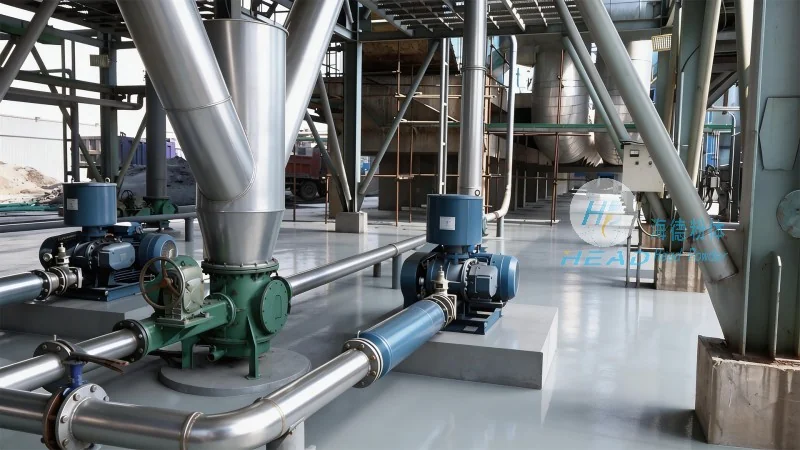
Introduction to Ceramic Powder Pneumatic Conveying Systems
Pneumatic conveying systems are widely used in the ceramic industry to transport fine powders from one location to another without the need for mechanical components like belts or buckets. These systems are essential for processes such as raw material feeding, product blending, and waste removal. The choice between positive and negative pressure systems depends on factors like material properties, required conveying distance, and environmental constraints. Understanding the technical nuances of each mode is critical for optimizing performance and minimizing downtime.
Positive Pressure Conveying Mode: Technical Features and Applications
Positive pressure conveying operates by injecting compressed air into the material stream, creating a pressure higher than the ambient environment. This method pushes the ceramic powder through the conveying line, ensuring a continuous and controlled flow. The system typically includes a blower or compressor at the inlet, which generates the necessary pressure to move the material. Key technical features of positive pressure systems include:
- Ability to handle long conveying distances, often up to several hundred meters, depending on the system design and material characteristics.
- Higher conveying velocities, which can reduce the risk of material settling or caking in the line.
- Simple system design with fewer components, making it easier to install and maintain.
Applications of positive pressure systems in ceramic powder handling include transporting raw materials from storage silos to production lines, moving finished products from processing units to packaging areas, and conveying waste materials for recycling. The system's ability to handle abrasive materials like ceramic powders is enhanced by the high pressure, which minimizes material degradation during transport.
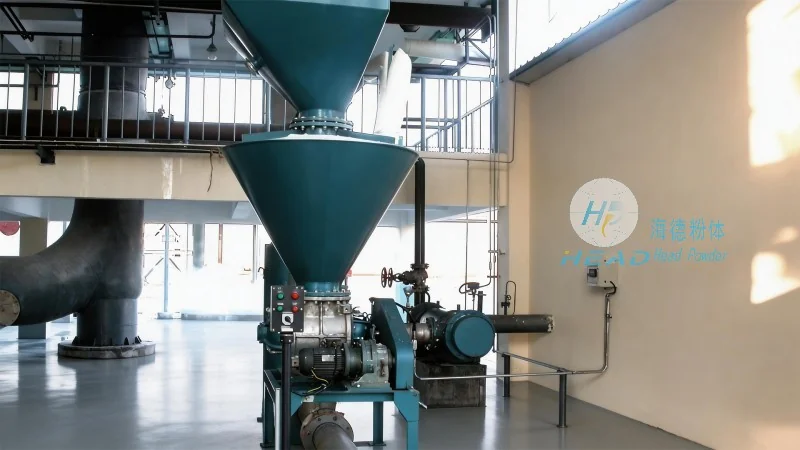
Negative Pressure Conveying Mode: Technical Features and Applications
Negative pressure conveying, also known as vacuum conveying, works by creating a vacuum at the inlet of the conveying line, drawing the ceramic powder into the system. The pressure inside the line is lower than the ambient environment, and the material is pulled through the line by the vacuum. This mode is particularly suitable for applications where material contamination is a concern or where the material is sensitive to high pressure.
Key technical features of negative pressure systems include:
- Excellent material containment, as the system operates under vacuum, preventing dust emissions and cross-contamination.
- Ability to handle fine, low-density powders without the need for high velocities, reducing the risk of material degradation.
- Flexible inlet designs, such as suction heads or vacuum hoods, which can be positioned to capture material from various sources.
Applications of negative pressure systems in ceramic powder handling include transporting powders from open containers or hoppers, moving materials from processing equipment to collection tanks, and conveying powders with high moisture content or sensitivity to pressure. The system's ability to maintain a clean environment is a significant advantage in industries where hygiene and product purity are critical.
Comparison of Positive and Negative Pressure Modes: Key Factors to Consider
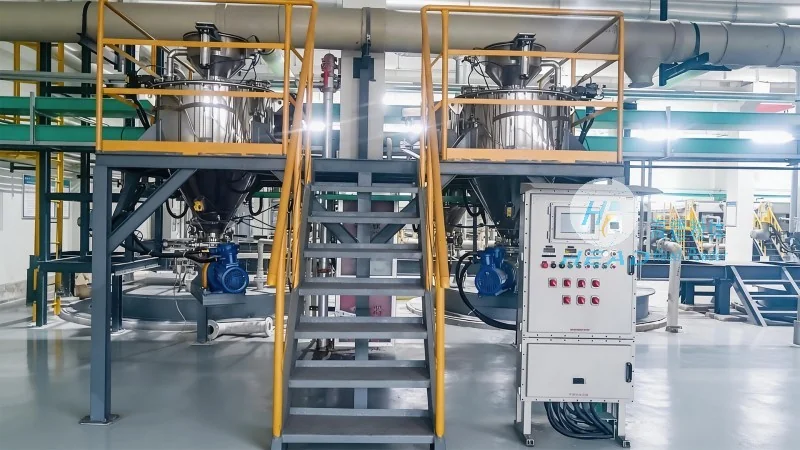
When selecting between positive and negative pressure pneumatic conveying systems for ceramic powders, several factors must be evaluated. The choice depends on the specific requirements of the application, including material properties, conveying distance, and operational constraints.
| Feature |
Positive Pressure |
Negative Pressure |
| Operating Principle |
Compressed air pushes material |
Vacuum pulls material |
| Conveying Distance |
Longer distances (up to hundreds of meters) |
Shorter distances (typically up to 50-100 meters) |
| Material Containment |
Less effective, may require additional sealing |
Excellent, maintains clean environment |
| System Complexity |
Lower, simpler design |
Higher, more components |
| Material Suitability |
Best for abrasive, high-density powders |
Best for fine, low-density, or sensitive powders |
For example, if a ceramic powder plant needs to transport raw materials over a distance of 200 meters and the material is abrasive, a positive pressure system would be more suitable due to its ability to handle long distances and high pressures. Conversely, if the plant is handling fine, low-density ceramic powders and requires a clean environment, a negative pressure system would be preferred to prevent dust emissions and maintain product purity.
Conclusion: Choosing the Right Conveying System for Ceramic Powder Handling
Both positive and negative pressure pneumatic conveying systems offer effective solutions for ceramic powder handling, but the optimal choice depends on the specific operational requirements and material characteristics. Positive pressure systems are ideal for long-distance, high-volume transport of abrasive materials, while negative pressure systems excel in applications requiring high material containment and sensitivity to pressure.
Shandong HeadPowder Engineering Co., Ltd., a leading provider of pneumatic conveying solutions, specializes in designing and manufacturing systems tailored to the unique needs of the ceramic industry. With decades of experience, the company ensures that its systems meet the highest standards of efficiency, reliability, and safety. By understanding the technical differences between positive and negative pressure modes, ceramic manufacturers can select the most appropriate system to enhance their production processes and improve overall operational performance.




