When it comes to efficiently transporting bulk materials like dust and powders, pneumatic conveying systems offer a reliable solution. The choice between positive pressure and negative pressure modes significantly impacts system performance, cost, and operational safety. This article provides a technical analysis of these two primary pneumatic conveying methods, helping industrial professionals make informed decisions for their material handling needs.
Introduction to Dust Pneumatic Conveying Systems
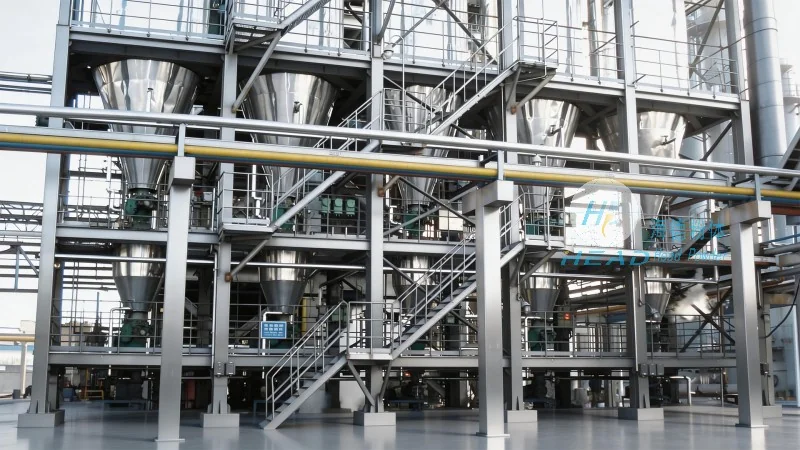
Pneumatic conveying systems use air or gas to transport dry bulk materials through a pipeline network. These systems are widely used in industries such as pharmaceuticals, food processing, chemical manufacturing, and mining due to their ability to handle fine powders and minimize product contamination. The core of any pneumatic conveying system lies in the air flow and pressure differential that moves the material from the source to the destination.
Positive Pressure Conveying Mode
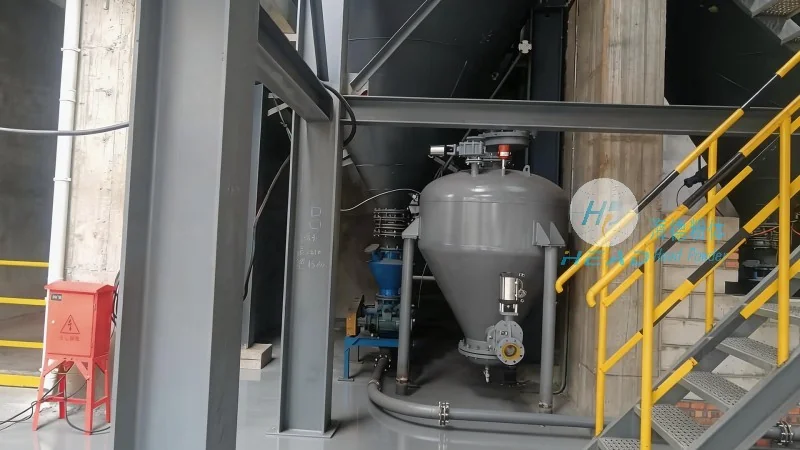
Positive pressure conveying operates by blowing air into the system, creating a pressure higher than the ambient air. This method pushes the material through the pipeline, ensuring consistent flow and preventing material degradation. The system typically includes a blower or compressor at the inlet, which supplies the necessary air pressure. Key advantages of positive pressure systems include high conveying capacity, ability to handle abrasive materials, and reduced risk of dust leakage. However, they may require more maintenance for the air compression equipment and can be less energy-efficient compared to negative pressure systems.
Negative Pressure Conveying Mode
Negative pressure conveying, also known as vacuum conveying, works by creating a vacuum at the inlet, drawing material into the system. The material is then transported through the pipeline to a collection point where the air is filtered and released. This method is ideal for applications requiring dust collection and environmental control, as it captures and filters the air at the source. Negative pressure systems are generally more energy-efficient for short-distance conveying and are easier to install in existing facilities. However, they may have lower conveying capacities for fine powders and are more susceptible to clogging in long pipelines.
Comparison of Positive Pressure vs. Negative Pressure Conveying
When comparing the two modes, several factors must be considered. Positive pressure systems excel in high-volume, long-distance conveying of abrasive materials, while negative pressure systems are better suited for short distances, fine powders, and applications requiring dust collection. From an operational perspective, positive pressure systems offer better control over material flow and are less prone to clogging, whereas negative pressure systems are simpler to set up and maintain. Cost is another critical factor: positive pressure systems may have higher initial investment due to the need for air compressors, but their lower maintenance costs can offset this over time. Negative pressure systems, though cheaper to install, may incur higher operational costs due to the energy required to maintain the vacuum.
Application Scenarios and Selection Guidance
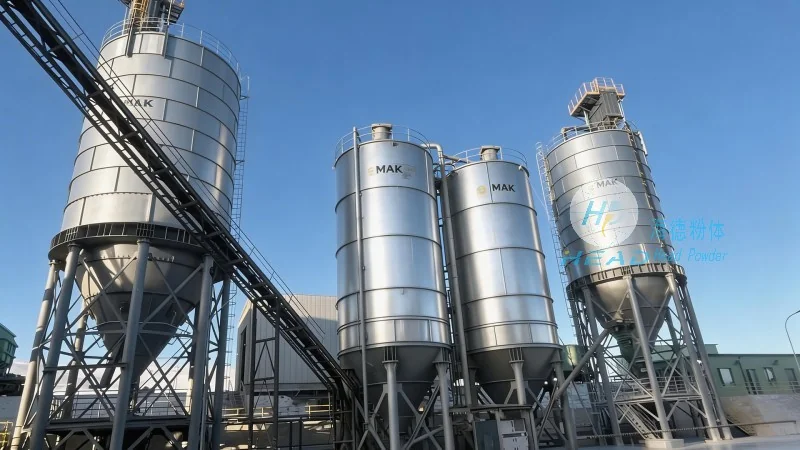
The choice between positive and negative pressure depends on the specific application requirements. For example, in pharmaceutical manufacturing, where product purity and contamination control are paramount, negative pressure systems are often preferred as they can capture and filter the air, ensuring a clean environment. In contrast, in cement or mining industries, where large volumes of abrasive materials need to be transported over long distances, positive pressure systems are more common due to their higher capacity and durability. Industrial facilities should evaluate factors such as material properties, conveying distance, system complexity, and environmental regulations when selecting the appropriate mode.
HeadPowder Engineering: Your Partner in Pneumatic Conveying Solutions
Shandong HeadPowder Engineering Co., Ltd., a leading provider of pneumatic conveying systems, specializes in designing and manufacturing customized solutions tailored to client needs. With years of experience in the industry, HeadPowder offers both positive and negative pressure systems, ensuring clients can choose the optimal mode for their operations. The company’s team of engineers works closely with clients to assess their material handling challenges and recommend the most efficient and cost-effective solutions. HeadPowder’s commitment to quality and innovation has made it a trusted name in the industry, serving clients across China and beyond.




