When it comes to transporting desulfurization and denitrification agents, selecting the appropriate method is crucial for ensuring efficient and safe operation. Two common approaches are positive pressure transport and negative pressure transport. Understanding the differences between these two methods is essential for making an informed decision. This article will explore the characteristics, advantages, and disadvantages of each, as well as provide guidance on how to distinguish and choose the right transport method for your specific needs.
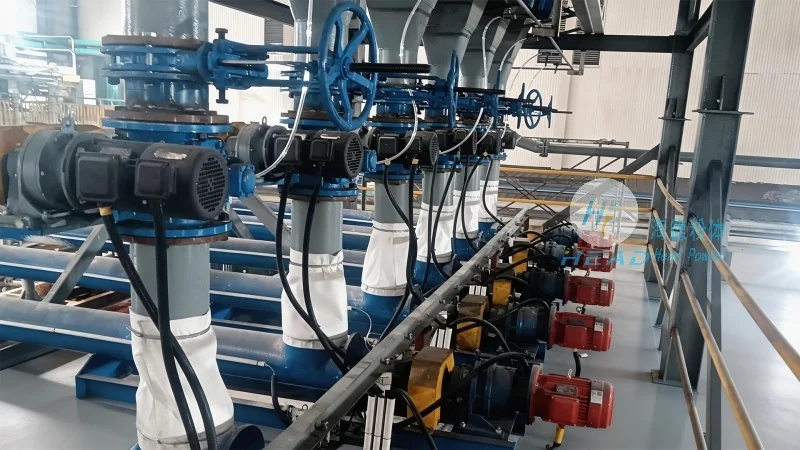
Introduction to Desulfurization and Denitrification Agent Transport
Desulfurization and denitrification agents are critical components in industrial processes, particularly in power plants and other facilities that aim to reduce air pollution. These agents are typically in liquid or slurry form and require specialized transport systems to move them from storage to the point of use. The choice of transport method directly impacts operational efficiency, safety, and maintenance costs. Therefore, it is important to evaluate the options carefully.
Company Profile: Shandong HeadPowder Engineering Co., Ltd.
Shandong HeadPowder Engineering Co., Ltd., commonly known as HeadPowder, is a leading provider of engineering solutions for chemical and industrial applications. With a focus on innovation and quality, HeadPowder specializes in the design, manufacturing, and supply of equipment for material handling, including transport systems for desulfurization and denitrification agents. The company's headquarters is located in Shandong, China, and it serves clients globally with tailored solutions to meet their unique operational requirements.
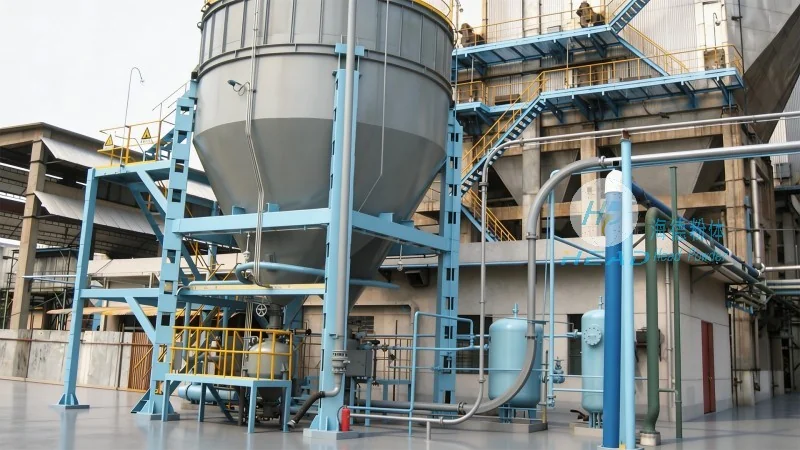
Positive Pressure Transport: Principles and Applications
Positive pressure transport involves using a pump or compressor to create a pressure differential that forces the material through a pipeline. In this method, the transport line is under positive pressure, meaning the pressure inside the line is higher than the ambient pressure. This approach is commonly used for transporting viscous or abrasive materials, as it can maintain a consistent flow rate and prevent material settling or clogging.
For desulfurization and denitrification agents, positive pressure transport is often preferred when dealing with high-viscosity slurries or when the distance between the storage and application points is significant. The positive pressure system ensures that the material is continuously pushed through the pipeline, reducing the risk of blockages and maintaining a stable flow. Additionally, positive pressure transport can be integrated with other process equipment, such as mixing tanks or reaction vessels, to streamline the overall operation.
Negative Pressure Transport: Principles and Applications
Negative pressure transport, also known as suction or vacuum transport, operates by creating a vacuum in the transport line to draw the material from the source. The pressure inside the line is lower than the ambient pressure, causing the material to be pulled through the pipeline. This method is typically used for transporting materials that are less viscous or when the distance is relatively short. Negative pressure transport is often more cost-effective for smaller-scale applications or when the material is already in a relatively fluid state.
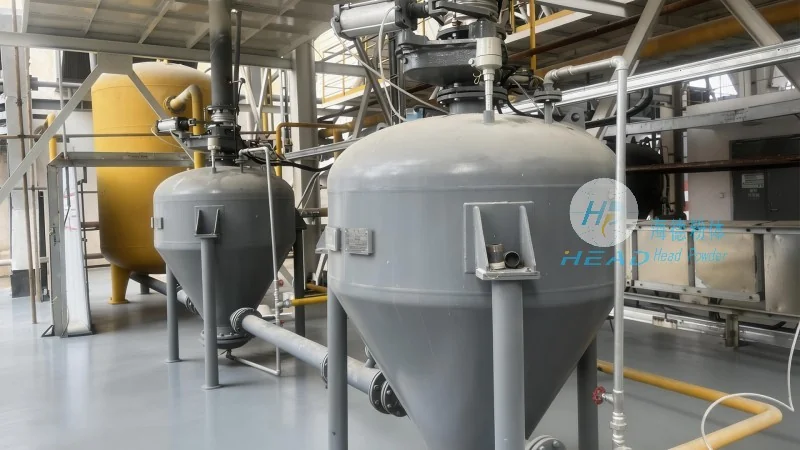
When considering negative pressure transport for desulfurization and denitrification agents, it is important to evaluate the material's properties, such as its density and flow characteristics. If the slurry is too thick or contains large particles, the suction process may not be efficient, leading to reduced flow rates or equipment wear. Additionally, negative pressure systems require careful maintenance to prevent air leaks, which can compromise the vacuum and affect the transport efficiency.
Distinguishing Between Positive and Negative Pressure Transport
Choosing between positive and negative pressure transport depends on several factors, including the physical properties of the desulfurization and denitrification agent, the distance to be covered, and the available infrastructure. The following table provides a comparison of the key characteristics of each method:
| Feature |
Positive Pressure Transport |
Negative Pressure Transport |
| Pressure Differential |
Positive pressure inside the line |
Negative pressure (vacuum) inside the line |
| Flow Control |
More consistent and controllable |
Less consistent, may be affected by air leaks |
| Material Suitability |
Viscous, abrasive, or high-density slurries |
Less viscous, more fluid materials |
| Distance Capability |
Longer distances (up to several kilometers) |
Shorter distances (typically under 1 kilometer) |
| Cost and Maintenance |
Higher initial cost, but lower maintenance for long-term operation |
Lower initial cost, higher maintenance for vacuum system |
By evaluating these factors, facility operators can determine which transport method is best suited for their specific application. For example, if the desulfurization agent is a thick slurry with high solids content, positive pressure transport is likely the more effective choice. Conversely, if the agent is a relatively thin liquid and the distance is short, negative pressure transport may be sufficient and more economical.
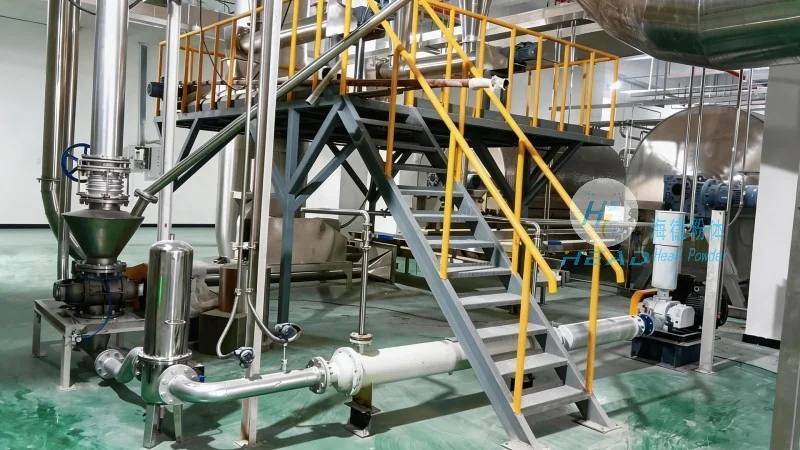
Key Considerations for Selecting the Right Transport Method
When deciding between positive and negative pressure transport, several practical considerations should be taken into account:
- Material Properties: The viscosity, density, and particle size of the desulfurization and denitrification agent are critical. High-viscosity materials benefit from positive pressure, while low-viscosity materials may work well with negative pressure.
- Distance and Layout: The distance between the storage and application points influences the choice. Longer distances typically require positive pressure systems due to the need for consistent flow and pressure maintenance.
- Infrastructure and Equipment: The existing infrastructure, such as pipelines, pumps, and vacuum systems, should be considered. Positive pressure systems may require more robust equipment, while negative pressure systems may need regular maintenance of vacuum components.
- Operational Costs: Both methods have associated costs, including initial investment and ongoing maintenance. Positive pressure systems may have higher upfront costs but lower long-term maintenance, whereas negative pressure systems may be cheaper initially but more expensive to maintain.
Conclusion
Choosing between positive pressure and negative pressure transport for desulfurization and denitrification agents is a decision that requires careful evaluation of the material's characteristics, operational requirements, and available resources. Positive pressure transport offers greater control and is suitable for viscous or high-density slurries over longer distances. Negative pressure transport, on the other hand, is more cost-effective for less viscous materials and shorter distances. By understanding the differences and considering the key factors outlined in this article, facility operators can select the most appropriate transport method to ensure efficient, safe, and cost-effective operation.




