Barium sulfate, a widely used industrial material, often requires efficient and reliable transportation methods for its handling and processing. Pneumatic conveying systems have emerged as a key solution for moving this material safely and effectively. This article provides a technical analysis of barium sulfate pneumatic conveying systems, focusing on the comparison between positive pressure and negative pressure conveying modes. The discussion is presented by Shandong HeadPowder Engineering Co., Ltd., a leading provider in the field, based in Shandong, China.
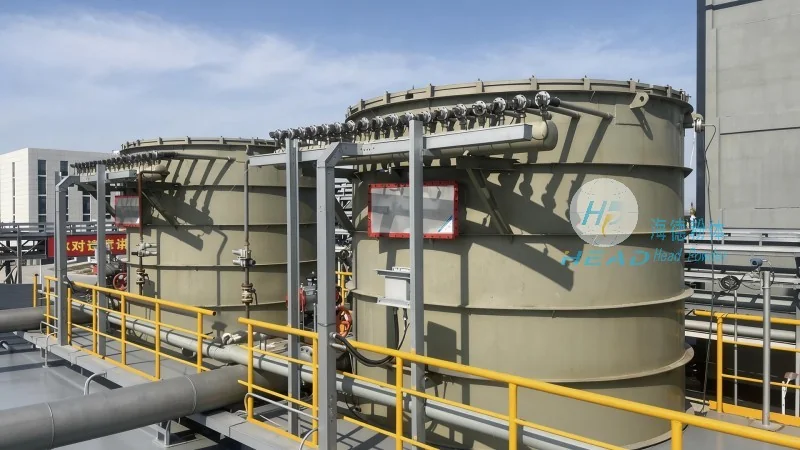
Introduction to Barium Sulfate Pneumatic Conveying
Barium sulfate, commonly known as barium white or heavy spar, is a white crystalline solid with a high density and low reactivity. It is extensively used in various industries, including pharmaceuticals, coatings, and ceramics, due to its excellent opacity and stability. The transportation of barium sulfate from storage to processing units is a critical step in the production workflow, and pneumatic conveying offers a non-contact, hygienic, and efficient method for this purpose. Pneumatic conveying systems utilize air or gas to transport bulk materials like barium sulfate through a pipeline network, eliminating the need for mechanical components that could cause contamination or damage to the material.
Positive Pressure Conveying Mode
Positive pressure conveying, also known as pressure pneumatic conveying, operates by blowing air or gas into the conveying line under pressure. The system generates a positive pressure within the pipeline, which forces the material to move from the source to the destination. This mode is particularly suitable for applications where the material needs to be transported over long distances or through complex piping networks. The positive pressure system typically includes a blower or compressor at the inlet, a hopper or feeder to introduce the material, and a receiver or silo at the discharge end. The air flow is maintained at a consistent pressure, ensuring that the material is continuously conveyed without clogging or loss of material.
In the context of barium sulfate, positive pressure conveying offers several advantages. It can handle high material loads and is effective in transporting materials with a wide range of particle sizes. The system is also capable of conveying materials over long distances, making it suitable for large-scale industrial operations. However, positive pressure conveying has some limitations, such as higher energy consumption due to the need for continuous air compression and potential for material degradation if the air temperature is too high. Additionally, the system requires careful maintenance to prevent air leaks, which could lead to pressure loss and reduced conveying efficiency.
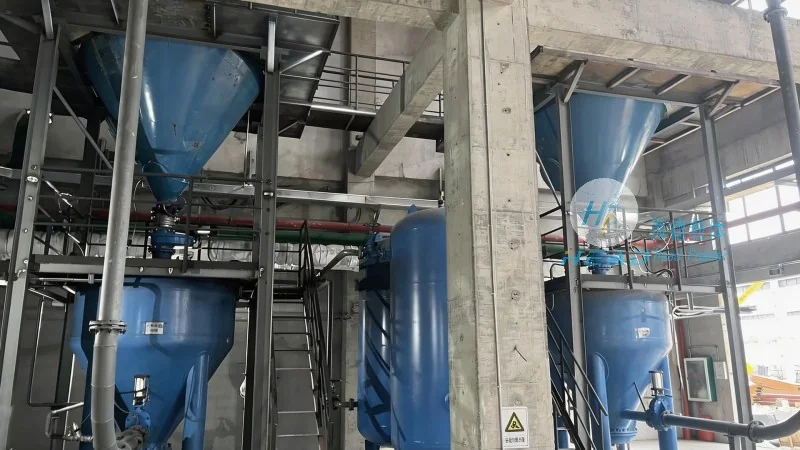
Negative Pressure Conveying Mode
Negative pressure conveying, or vacuum pneumatic conveying, operates by creating a vacuum in the conveying line. The system draws the material into the pipeline using a vacuum pump or fan at the inlet, and the material is then transported to the discharge point. This mode is ideal for applications where the material needs to be transported from a lower elevation to a higher one, or where the material is sensitive to high air pressure. Negative pressure conveying is often used for short to medium distance transport and for materials that are prone to dust generation or contamination.
For barium sulfate, negative pressure conveying provides benefits such as lower energy consumption compared to positive pressure systems, as it does not require continuous air compression. The vacuum environment also helps in maintaining the material's quality by reducing exposure to air and moisture. However, negative pressure conveying has its own set of challenges. It is less effective for long-distance transport due to the limitations of vacuum pressure and the risk of material clogging in the pipeline. The system also requires more complex filtration and dust collection equipment to prevent air contamination and material loss.
Comparison of Positive and Negative Pressure Conveying for Barium Sulfate
When comparing positive and negative pressure conveying modes for barium sulfate, several factors need to be considered. The choice between the two modes depends on the specific application requirements, including the distance of transport, the material characteristics, and the available infrastructure. Positive pressure conveying is generally preferred for long-distance, high-volume transport of barium sulfate, as it offers higher conveying capacity and reliability. Negative pressure conveying, on the other hand, is more suitable for short-distance, low-volume transport or for applications where the material is sensitive to pressure and temperature changes.
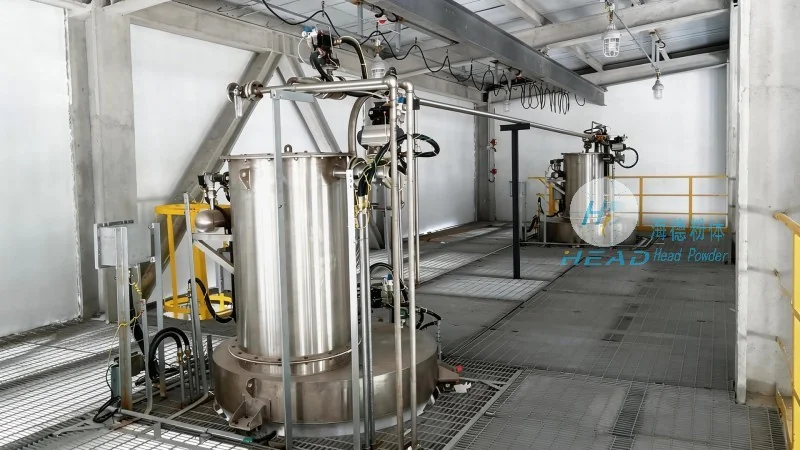
From an energy perspective, negative pressure conveying is more energy-efficient for short distances, while positive pressure conveying may be more cost-effective for long distances due to its higher conveying capacity. The maintenance requirements also differ, with positive pressure systems requiring regular checks on air compressors and seals, and negative pressure systems needing attention to vacuum pumps and filtration systems. In terms of material handling, both modes can effectively transport barium sulfate, but the choice of mode can impact the overall system cost and operational efficiency.
Key Considerations for Implementing Barium Sulfate Pneumatic Conveying Systems
Implementing a pneumatic conveying system for barium sulfate involves several key considerations to ensure optimal performance and reliability. First, the material characteristics of barium sulfate, such as its particle size distribution, density, and flowability, must be carefully evaluated. These properties determine the appropriate conveying velocity and pressure required for efficient transport. Second, the system design must consider the distance and layout of the conveying line, including the number of bends, elbows, and vertical lifts, which can affect the pressure drop and material flow.
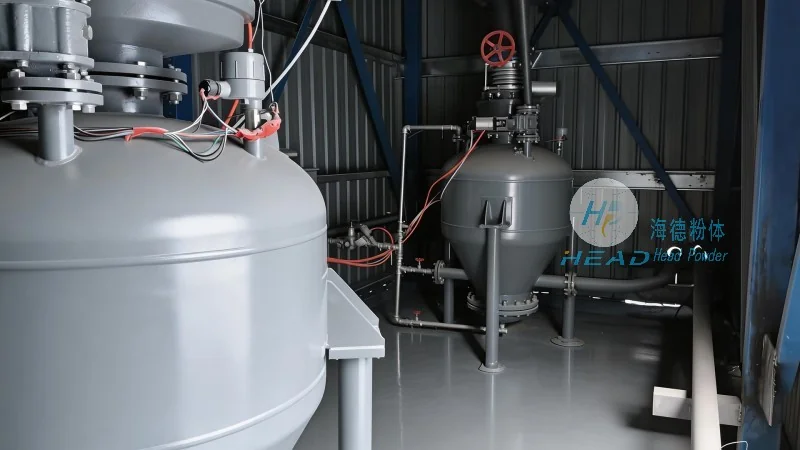
Third, the choice of equipment, such as the blower or vacuum pump, must be matched to the system requirements. The capacity of the air or gas source should be sufficient to maintain the required pressure or vacuum level throughout the conveying process. Fourth, the system must include proper filtration and dust collection equipment to prevent material loss and air contamination. This is particularly important for barium sulfate, as it is a fine powder that can easily become airborne and cause health and environmental issues.
Fifth, the system should be designed with safety features to prevent accidents and ensure compliance with industrial standards. This includes proper ventilation, explosion-proof components, and emergency shutdown mechanisms. Finally, regular maintenance and monitoring of the system are essential to ensure long-term performance and minimize downtime. By addressing these considerations, industrial facilities can select and implement an effective pneumatic conveying system for barium sulfate, optimizing their production processes and ensuring safe material handling.
Conclusion
In conclusion, pneumatic conveying systems offer a highly effective solution for the transportation of barium sulfate in industrial applications. The comparison between positive and negative pressure conveying modes highlights the importance of selecting the appropriate system based on specific operational requirements. Positive pressure conveying is suitable for long-distance, high-volume transport, while negative pressure conveying is better for short-distance, low-volume or sensitive material transport. Both modes have their advantages and limitations, and the choice depends on factors such as energy efficiency, material characteristics, and system complexity. By carefully evaluating these factors and implementing appropriate design and maintenance strategies, industrial facilities can achieve efficient and reliable barium sulfate handling, enhancing their overall production efficiency and safety.




