

Analysis of Baking Powder Pneumatic Conveying Systems
Baking powder is a vital ingredient in the food industry, used extensively in baked goods to provide leavening and texture. Efficient and reliable transportation of this fine powder from storage to processing areas is crucial for maintaining product quality and operational efficiency. Pneumatic conveying systems offer a sophisticated solution for handling baking powder, leveraging air pressure or vacuum to move the material through a closed system. This article delves into the design, components, and operational advantages of a pneumatic conveying system specifically engineered for baking powder, highlighting how such systems enhance productivity and safety in food processing facilities.
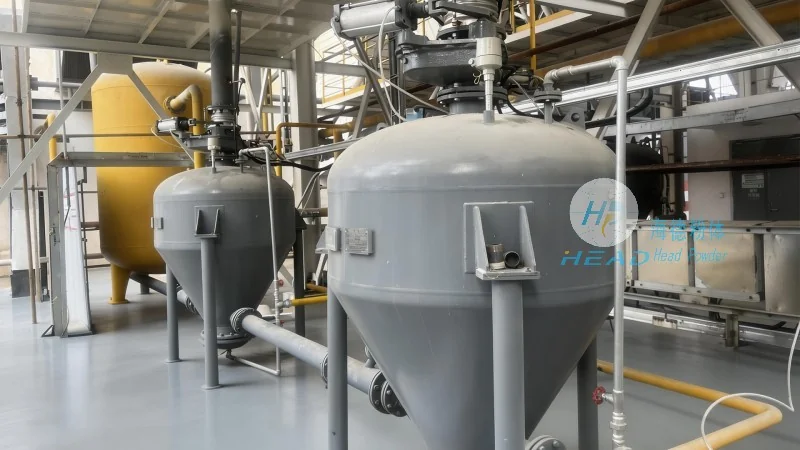
HeadPowder: A Pioneering Force in Pneumatic Conveying Engineering
Shandong HeadPowder Engineering Co., Ltd., a leading enterprise based in China, specializes in the research, development, and manufacturing of advanced pneumatic conveying systems. With decades of industry experience, HeadPowder has established itself as a trusted provider of solutions tailored to the unique demands of the food sector. The company’s commitment to innovation, quality, and customer satisfaction has positioned it as a key player in the market, delivering systems that meet the stringent requirements of baking powder handling. HeadPowder’s expertise lies in understanding the physical properties of fine powders and designing systems that ensure minimal degradation, contamination, and loss during transport.
Core Components of a Baking Powder Pneumatic Conveying System
A pneumatic conveying system for baking powder comprises several interdependent components that work in harmony to achieve efficient material transfer. The primary components include a storage hopper or silo, a feeder (typically a rotary valve or loss-in-weight feeder), a conveying line (usually constructed from stainless steel to prevent contamination), a pressure or vacuum source (such as a blower or compressor), and a receiver or discharge hopper. Each component is meticulously designed to address the specific challenges of handling fine, hygroscopic powders like baking powder.
The Feeder: Precision Control for Consistent Flow
The feeder is a critical component that regulates the flow of baking powder from the storage hopper to the conveying line. For fine powders, a rotary valve or a loss-in-weight feeder is commonly employed. These devices ensure a consistent and controlled flow rate, preventing overfeeding or underfeeding that could lead to system inefficiencies or product quality issues. The feeder also plays a role in maintaining the material's integrity by minimizing segregation and agglomeration, which can occur when powders are handled improperly. By providing a steady stream of material, the feeder ensures smooth operation of the entire pneumatic system.
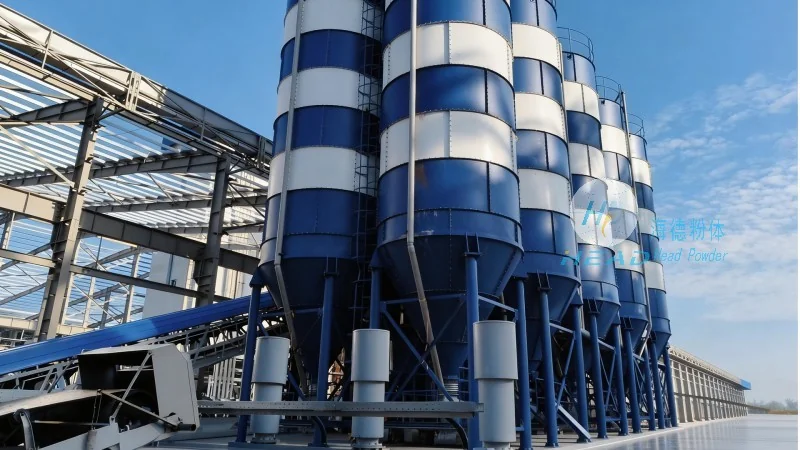
The Conveying Line: Material Transport and Contamination Prevention
The conveying line serves as the main pathway for transporting baking powder from the feeder to the receiver. In pneumatic conveying systems, the line is typically made of stainless steel, which is non-reactive and easy to clean, ensuring that the baking powder remains free from contamination. The line may include bends, elbows, or other fittings, which are designed to minimize pressure loss and maintain the material's flow velocity. For systems handling fine powders, the line is often equipped with filters or cyclones to capture any dust or particles that may escape, maintaining air quality and preventing environmental contamination. The design of the conveying line is crucial for ensuring efficient material transport and preventing blockages or clogs that could disrupt production.
Pressure and Vacuum Systems: Driving Material Movement
The pressure or vacuum system provides the necessary force to move the baking powder through the conveying line. In a pressure system, a blower or compressor generates positive pressure that pushes the material forward. In a vacuum system, a vacuum pump creates negative pressure that pulls the material. The choice between pressure and vacuum depends on factors such as the distance to be covered, the material's density, and the system's overall efficiency. For baking powder, a pressure system is often preferred as it can handle longer distances and offers better control over the material flow, reducing the risk of material degradation or loss.
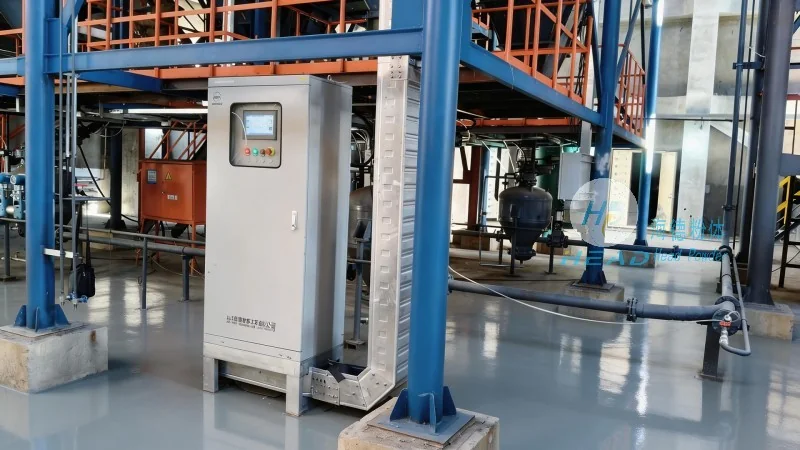
Receiver and Discharge: Final Handling and Storage
The receiver or discharge hopper is the final component of the pneumatic conveying system, where the baking powder is deposited after being transported from the feeder. The receiver is designed to collect the material and prevent it from escaping or contaminating the surrounding environment. It may include features such as a discharge valve or a level indicator to monitor the material level, ensuring that the system operates within safe and efficient parameters. The receiver is typically made of stainless steel to maintain hygiene standards and prevent cross-contamination with other materials. Once the material is collected in the receiver, it can be further processed or stored for later use, completing the material handling cycle.
Advantages of Implementing a Pneumatic Conveying System for Baking Powder
Adopting a pneumatic conveying system for baking powder offers numerous benefits that enhance operational performance and product quality. First, it provides a closed system that eliminates the risk of contamination from external sources, ensuring the purity of the baking powder. This is particularly important in food processing, where product safety and regulatory compliance are paramount. Second, the system automates the material handling process, reducing labor costs and minimizing the need for manual handling of fine powders. This not only improves efficiency but also enhances workplace safety by reducing the risk of dust inhalation or other health hazards. Third, pneumatic conveying systems are highly reliable and require minimal downtime for maintenance, leading to increased productivity and reduced operational costs. Finally, the system offers flexibility in design, allowing for customization to meet specific production requirements, such as varying flow rates or material types.
Operational Best Practices and Maintenance
To ensure optimal performance and longevity of a pneumatic conveying system for baking powder, several best practices and maintenance strategies should be followed. Regular maintenance is essential to prevent system failures and ensure consistent operation. This includes cleaning the conveying line, checking the feeder and blower for wear or damage, and inspecting the receiver for any signs of blockage or contamination. Additionally, monitoring system performance using sensors to track pressure, flow rate, and material level can help identify issues early and prevent major problems. Proper material handling, such as adding anti-caking agents or using vibration devices to keep the material in a consistent state, is also crucial to maintain flow characteristics. Training operators on the proper use and maintenance of the system is another key factor in ensuring safe and efficient operation. By adhering to these practices, businesses can maximize the benefits of their pneumatic conveying system and maintain high standards of product quality and operational efficiency.