

[River Sand Pneumatic Conveying Technology: In-Depth Analysis of Vacuum and Positive Pressure Convey
HeadPowder, a leading engineering firm based in Shandong, China, specializes in advanced material handling solutions, particularly in the field of pneumatic conveying systems for river sand. This article provides a comprehensive exploration of the technologies involved, focusing on both vacuum and positive pressure systems, and their practical applications in the industry.
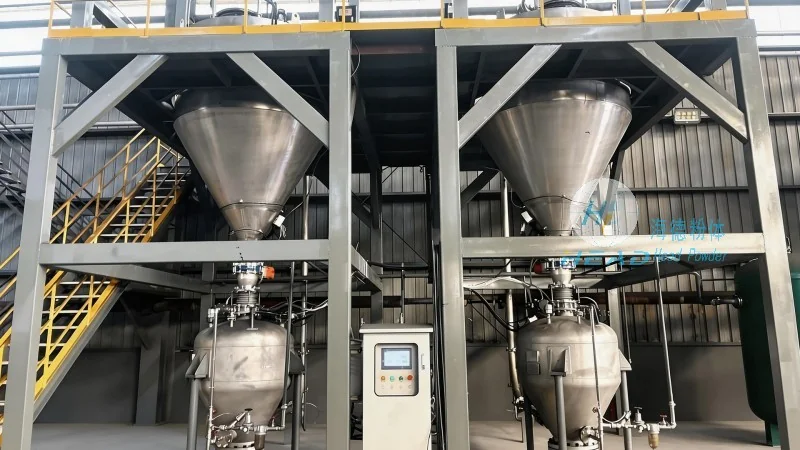
Introduction to River Sand Pneumatic Conveying
River sand, a crucial raw material in construction and manufacturing, often requires efficient and reliable transportation methods to move it from storage or extraction sites to processing facilities. Pneumatic conveying offers a solution that minimizes dust, reduces labor costs, and enhances safety compared to traditional methods like trucks or conveyor belts. The choice between vacuum and positive pressure systems depends on factors such as material characteristics, distance, and system complexity.
Vacuum Pneumatic Conveying Systems
Vacuum systems operate by creating a negative pressure at the inlet, drawing material into the pipeline. This method is particularly effective for conveying fine or light materials like river sand, as it can handle longer distances and multiple transfer points. The system typically includes a vacuum pump, a hopper for material loading, and a receiver for material discharge. The key components of a vacuum system include the vacuum generator, which provides the necessary suction force, and the filter, which removes dust from the air before it is released back into the environment.
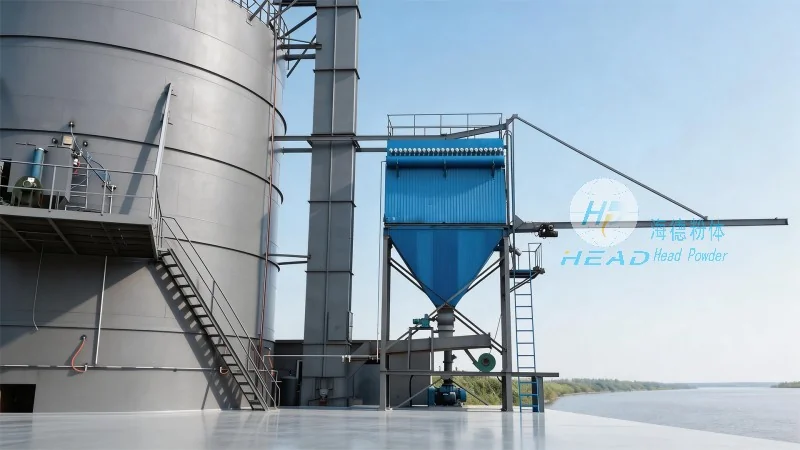
For river sand, vacuum conveying is advantageous when the material needs to be transported over moderate distances, often from a quarry or storage yard to a processing plant. The system can handle high volumes of material while maintaining a relatively low pressure, making it suitable for applications where noise and vibration are concerns. However, vacuum systems may have limitations when dealing with abrasive or heavy materials, as the suction force can be insufficient to move them efficiently over long distances.
Positive Pressure Pneumatic Conveying Systems
Positive pressure systems, on the other hand, use a blower or compressor to generate positive pressure within the pipeline, pushing material forward. This method is ideal for conveying heavier or more abrasive materials, as the pressure can be adjusted to handle the material's density and flow characteristics. The system consists of a blower, a hopper, and a receiver, with the material being pushed through the pipeline by the pressurized air.
In the context of river sand, positive pressure systems are often preferred for shorter distances or when the material is more compact and less fine. The higher pressure allows for better control over the material flow, reducing the risk of blockages and ensuring consistent delivery. Additionally, positive pressure systems can handle more complex layouts, including vertical lifts and multiple transfer points, making them versatile for various industrial setups.
Key Considerations for System Selection
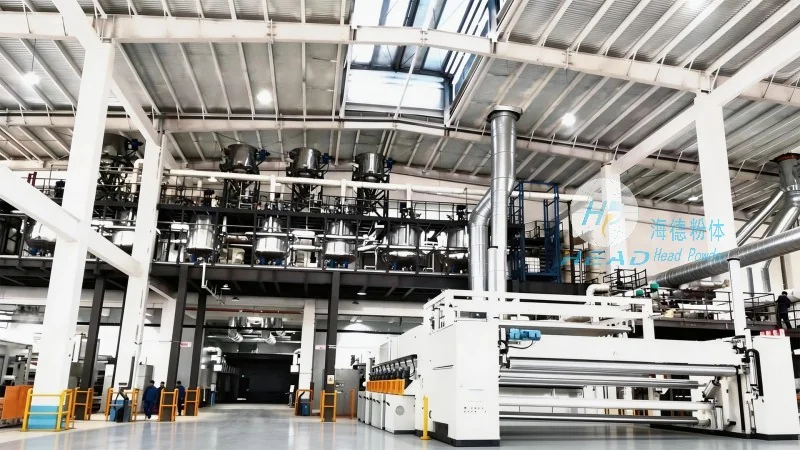
When selecting between vacuum and positive pressure pneumatic conveying systems for river sand, several factors must be considered. The distance between the source and destination is a primary factor; vacuum systems are generally better for longer distances, while positive pressure systems excel at shorter distances or when high material density is required. Material characteristics, such as particle size, moisture content, and abrasiveness, also play a crucial role. Fine, dry river sand may perform well in vacuum systems, whereas coarser or wetter sand might benefit from positive pressure.
System complexity and maintenance requirements are also important considerations. Vacuum systems typically require more maintenance due to the moving parts in the vacuum pump and filter, while positive pressure systems may need more robust blower components. Energy consumption is another factor, as positive pressure systems generally consume more power than vacuum systems due to the higher pressure requirements.
Applications and Case Studies
HeadPowder has successfully implemented pneumatic conveying systems for river sand in various projects across China. For instance, a client in Shandong required the transport of 100 tons of river sand daily from a quarry to a concrete mixing plant over a distance of 1.5 kilometers. A vacuum system was selected due to the long distance and the need to minimize dust emissions. The system was designed with a large hopper, a high-capacity vacuum pump, and a filter to ensure efficient and clean operation. The client reported a significant reduction in labor costs and improved safety compared to traditional truck transport.
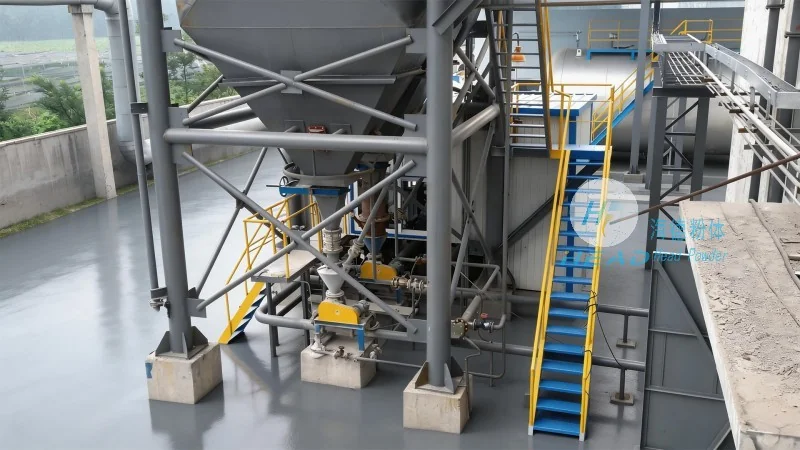
Another application involved a positive pressure system for a river sand processing facility where the material needed to be transported over a shorter distance of 300 meters to a screening plant. The system was equipped with a high-pressure blower and a series of vertical and horizontal pipes to handle the material's flow. The positive pressure system ensured consistent material delivery and reduced the risk of blockages, leading to increased production efficiency.
Conclusion
Both vacuum and positive pressure pneumatic conveying systems offer effective solutions for transporting river sand, with each method having its own advantages and limitations. The choice of system depends on specific project requirements, including distance, material characteristics, and operational constraints. HeadPowder, with its expertise in engineering and material handling, provides tailored solutions that optimize performance, efficiency, and cost-effectiveness for clients in the construction and manufacturing sectors. By leveraging advanced technology and careful system design, HeadPowder helps industries achieve reliable and sustainable material transport for river sand and other bulk materials.