

Calcium Powder Pneumatic Conveying Technology: In-Depth Analysis of Negative Pressure and Positive P
Calcium powder, a critical raw material in various industrial sectors including construction, chemical manufacturing, and food processing, requires efficient and reliable handling methods to ensure consistent quality and operational safety. Pneumatic conveying technology has emerged as a preferred solution for transporting calcium powder due to its ability to handle fine powders with minimal product degradation and reduced contamination risks. This article provides a comprehensive analysis of negative pressure and positive pressure pneumatic conveying systems, focusing on their applications, technical advantages, and practical considerations for calcium powder handling, as presented by Shandong HeadPowder Engineering Co., Ltd., a leading provider of industrial material handling solutions.
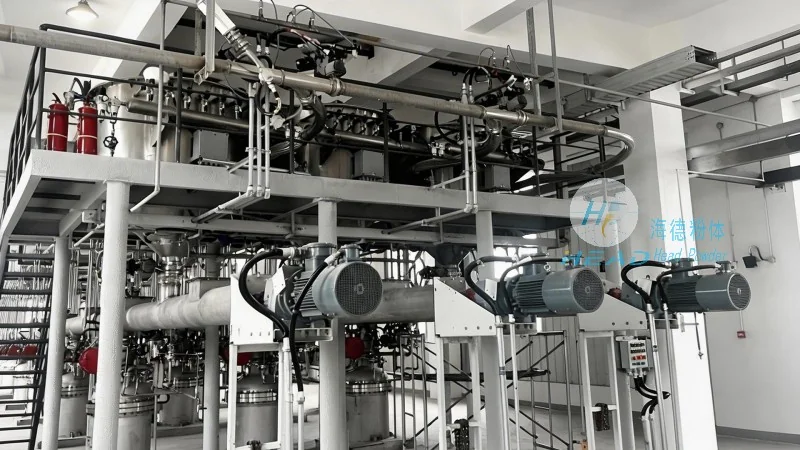
Introduction to Pneumatic Conveying Systems for Calcium Powder
Pneumatic conveying systems utilize air or gas to transport bulk materials like calcium powder through a pipeline network. These systems are categorized into two primary types: negative pressure (or vacuum) systems and positive pressure systems. Each type offers distinct advantages and is suited to different operational requirements, making the selection of the appropriate system crucial for optimizing calcium powder handling processes.
Negative Pressure (Vacuum) Pneumatic Conveying Systems
Negative pressure systems operate by creating a vacuum at the material inlet, drawing calcium powder into the conveying line. This method is particularly effective for applications requiring the collection of powders from multiple sources or for transporting materials over moderate distances. The system typically includes a vacuum pump, a filter to capture fine particles, and a collection hopper. The negative pressure approach minimizes product loss and ensures a clean transfer process, making it ideal for sensitive calcium powder applications where contamination control is paramount.
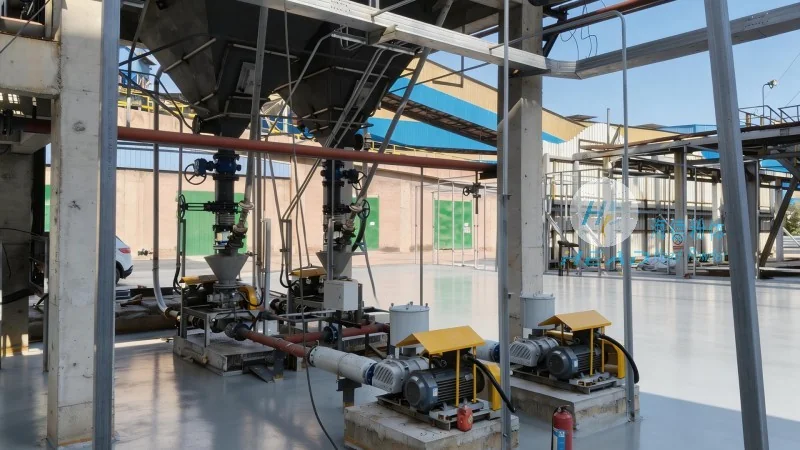
Technical Advantages of Negative Pressure Conveying
One of the key advantages of negative pressure systems is their ability to handle fine and cohesive calcium powders without the need for excessive air velocity. The vacuum environment reduces particle attrition and prevents dust accumulation in the conveying line, which is critical for maintaining product purity. Additionally, negative pressure systems are energy-efficient compared to positive pressure systems, as they rely on the vacuum pump to draw material rather than forcing air through the line. This efficiency translates to lower operational costs and reduced energy consumption, making them a cost-effective solution for many industrial applications.
Applications of Negative Pressure Conveying in Calcium Powder Handling
Negative pressure systems are commonly used in calcium powder handling for processes such as material recovery from dust collectors, transfer from storage silos to processing equipment, and material transfer between different production lines. For example, in a calcium carbonate production facility, a negative pressure system can efficiently collect fine powder from a baghouse filter and transport it back to the storage silo, ensuring minimal loss and maintaining product quality. This application is particularly beneficial in environments where dust control is a regulatory requirement, as the system inherently reduces airborne particulate emissions.
Positive Pressure Pneumatic Conveying Systems
Positive pressure systems, on the other hand, operate by forcing air or gas through the conveying line under pressure, pushing calcium powder from the material inlet to the discharge point. This method is suitable for longer conveying distances and for applications where the material needs to be transported to multiple destinations. The system typically includes a blower, a material feeder, and a filter to remove excess air and fine particles from the discharge.
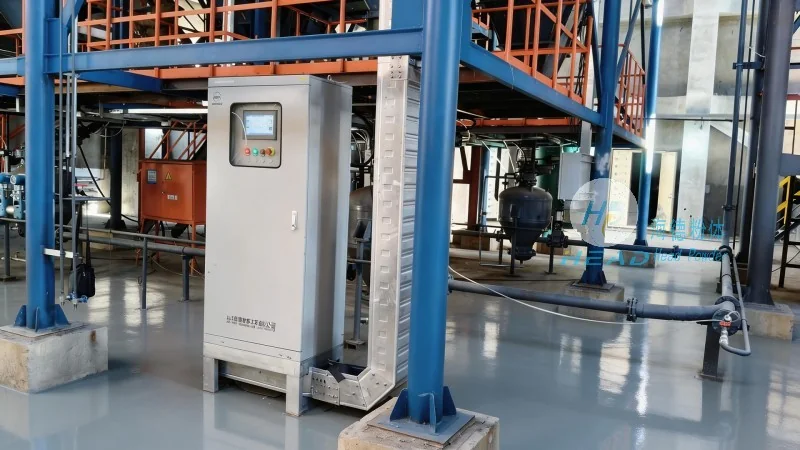
Technical Advantages of Positive Pressure Conveying
Positive pressure systems offer several advantages, including the ability to handle abrasive and high-density calcium powders without significant wear on the conveying line. The high air pressure ensures that the material is fully suspended and transported efficiently, reducing the risk of blockages and material degradation. Additionally, positive pressure systems are more flexible in terms of layout, as they can be easily expanded to include additional transfer points or processing equipment. This flexibility makes them ideal for large-scale industrial operations where multiple destinations are required.
Applications of Positive Pressure Conveying in Calcium Powder Handling
Positive pressure systems are widely used in calcium powder handling for applications such as transporting calcium powder from a central storage facility to multiple processing plants, or for feeding material into high-speed production lines. For instance, in a chemical manufacturing plant producing calcium-based additives, a positive pressure system can efficiently deliver the powder from a large storage silo to several reactors or mixing units, ensuring consistent material flow and minimizing downtime. This application is particularly beneficial in high-throughput operations where reliability and speed are critical.
Comparative Analysis: Negative vs. Positive Pressure Systems
When selecting between negative and positive pressure pneumatic conveying systems for calcium powder handling, several factors must be considered. The primary considerations include the distance of material transport, the required flow rate, the nature of the calcium powder (e.g., fineness, moisture content, and cohesive properties), and the operational environment. Negative pressure systems are generally preferred for shorter distances and applications requiring high product purity, while positive pressure systems are more suitable for longer distances and high-volume applications.
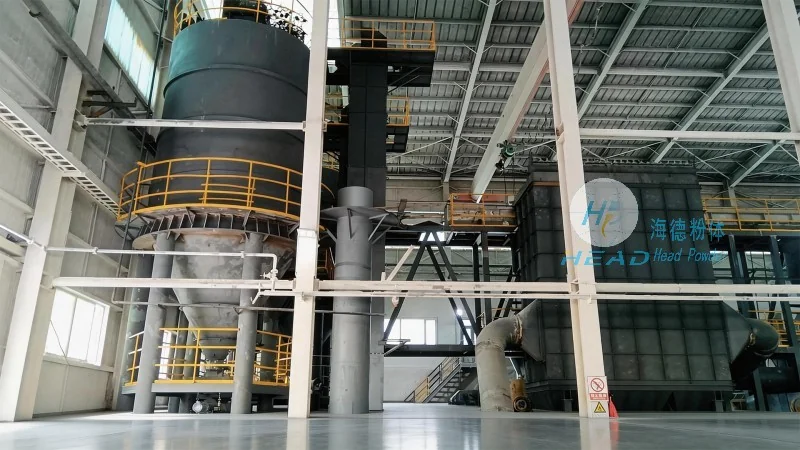
Key Considerations for Calcium Powder Pneumatic Conveying
Regardless of the system type, several key considerations are essential for optimizing calcium powder pneumatic conveying. First, the design of the conveying line must account for the particle size and flow characteristics of the calcium powder to prevent blockages and ensure smooth material transport. The use of appropriate pipe diameters and bends is critical to maintaining air velocity and preventing particle deposition. Second, the selection of the air filter and collection equipment is crucial to maintaining product purity and reducing maintenance costs. High-efficiency filters are recommended to capture fine particles and prevent dust emissions. Third, the system must be equipped with proper safety features, such as pressure relief valves and emergency shut-off mechanisms, to prevent accidents and ensure operational safety.
Conclusion: Choosing the Right Pneumatic Conveying System for Calcium Powder
In conclusion, both negative and positive pressure pneumatic conveying systems offer effective solutions for handling calcium powder, with each type suited to specific operational requirements. Negative pressure systems excel in applications requiring high product purity and shorter distances, while positive pressure systems are ideal for longer distances and high-volume operations. The choice of system should be based on a thorough analysis of the material characteristics, operational needs, and cost considerations. By selecting the appropriate pneumatic conveying system, industrial facilities can enhance the efficiency and safety of calcium powder handling, ensuring consistent product quality and operational reliability.