When it comes to handling PVA-formaldehyde, a critical component in various industrial applications, the choice of pneumatic conveying system is paramount. Pneumatic conveying systems offer a flexible and efficient method for transporting bulk materials, and understanding the nuances between positive and negative pressure modes is essential for optimizing performance and operational costs. This analysis delves into the technical aspects of PVA-formaldehyde pneumatic conveying, comparing the two primary modes to help industries select the most suitable solution for their specific needs.
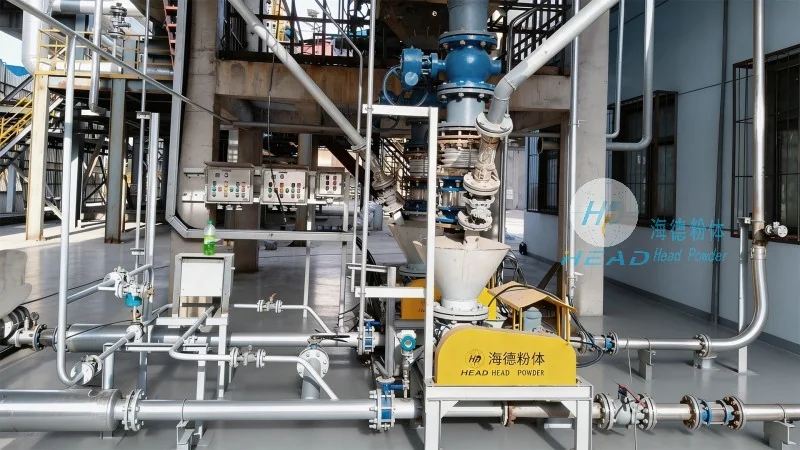
HeadPowder, a leading engineering company based in Shandong, China, specializes in the design, manufacturing, and installation of advanced pneumatic conveying systems. With years of experience in the field, HeadPowder provides tailored solutions that meet the unique requirements of clients across diverse industries. The company’s expertise lies in optimizing material handling processes, ensuring reliability, and enhancing overall operational efficiency.
Positive Pressure Pneumatic Conveying Systems
Positive pressure systems operate by generating air pressure within the conveying line, which forces the material to move from the source to the destination. This mode is commonly used for transporting materials over longer distances or when dealing with abrasive or sensitive products. The system typically includes a blower or compressor that supplies compressed air, creating a pressure differential that propels the material through the pipeline.
Key features of positive pressure systems include high conveying capacity, the ability to handle a wide range of particle sizes, and the capacity to transport materials vertically or horizontally. These systems are particularly effective for applications where the material is prone to degradation or where dust control is a priority. The positive pressure approach ensures that the material is continuously pushed through the line, reducing the risk of blockages and ensuring consistent flow rates.
Negative Pressure Pneumatic Conveying Systems
Conversely, negative pressure systems rely on creating a vacuum within the conveying line to draw the material from the source to the destination. This mode is often preferred for applications that require the transport of fine powders or where the material is sensitive to pressure changes. The system utilizes a vacuum pump to create a pressure difference, pulling the material through the pipeline.
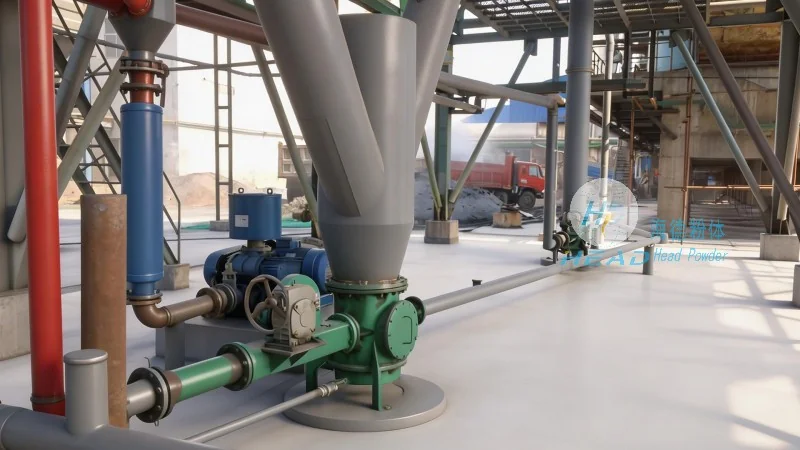
Negative pressure systems are characterized by lower air velocities, which reduces the risk of material degradation and minimizes the potential for dust emissions. They are ideal for short to medium-distance conveying and are commonly used in industries such as pharmaceuticals, food processing, and chemical manufacturing. The vacuum approach allows for gentle handling of delicate materials, ensuring that the product's quality is maintained throughout the conveying process.
Comparison of Positive and Negative Pressure Modes
When comparing positive and negative pressure pneumatic conveying systems for PVA-formaldehyde, several factors come into play. Positive pressure systems generally offer higher conveying rates and are more suitable for long-distance or high-volume applications. They are also more robust and can handle more challenging materials, including those with high moisture content or abrasive properties.
Negative pressure systems, on the other hand, provide gentler material handling and are better suited for fine powders or products that require minimal pressure changes. They are often more energy-efficient for short distances and are less likely to cause dust contamination. However, negative pressure systems may have lower conveying capacities and are more susceptible to blockages if the material is too coarse or contains large particles.
Factors Influencing the Choice of System
The decision between positive and negative pressure modes depends on several key factors, including the material characteristics, conveying distance, system layout, and operational requirements. For instance, if the PVA-formaldehyde is being transported over long distances or in large quantities, a positive pressure system may be more cost-effective and efficient. Conversely, if the material is fine and sensitive, a negative pressure system might be preferred to maintain product integrity.
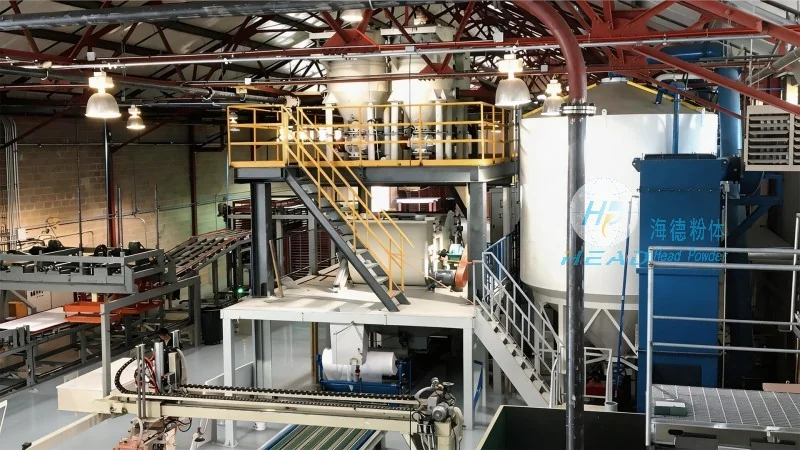
Other considerations include the need for dust control, environmental regulations, and the available space for system installation. Positive pressure systems may require additional filtration and dust collection equipment to comply with environmental standards, while negative pressure systems inherently reduce dust emissions due to their lower air velocities.
HeadPowder's Expertise in Pneumatic Conveying Solutions
Shandong HeadPowder Engineering Co., Ltd. leverages its deep understanding of both positive and negative pressure modes to design and implement customized pneumatic conveying systems for PVA-formaldehyde applications. The company's engineers work closely with clients to assess their specific needs, evaluate the material properties, and recommend the most appropriate system configuration.
HeadPowder’s solutions are engineered to maximize efficiency, minimize downtime, and ensure compliance with industry standards. By combining advanced technology with practical engineering, the company provides reliable and durable systems that meet the demands of modern industrial operations. Whether a client requires a positive pressure system for high-volume transport or a negative pressure system for delicate material handling, HeadPowder delivers tailored solutions that enhance productivity and reduce operational costs.
With a strong presence in Shandong, China, HeadPowder continues to be a trusted partner for industries seeking advanced material handling solutions. The company’s commitment to quality, innovation, and customer satisfaction ensures that clients receive systems that are not only technically superior but also aligned with their long-term operational goals.




