Maltose, a disaccharide sugar commonly used in food and beverage industries, requires efficient and reliable handling during production processes. The use of pneumatic conveying systems has become a standard solution for transporting maltose and other fine powders, ensuring product integrity and operational efficiency. This article explores the structure and working principles of maltose pneumatic conveying equipment, highlighting the key components and their roles in the powder handling process.
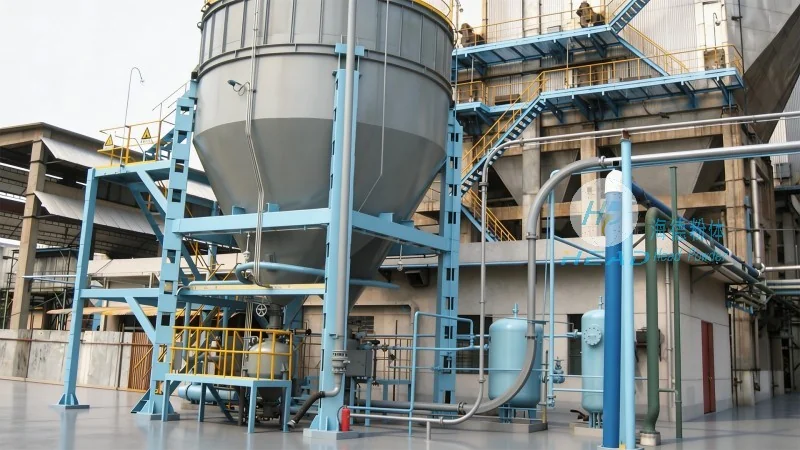
Key Components of Pneumatic Conveying Systems
The core structure of a pneumatic conveying system for maltose typically includes several essential components that work in tandem to facilitate material transport. The primary elements are the hopper, which serves as the storage and feeding unit, the conveyor itself (either pressure or vacuum type), and the control system that regulates air flow and material movement. Each component is designed to handle the specific characteristics of maltose, such as its fine particle size and hygroscopic nature, ensuring minimal degradation and loss during transport.
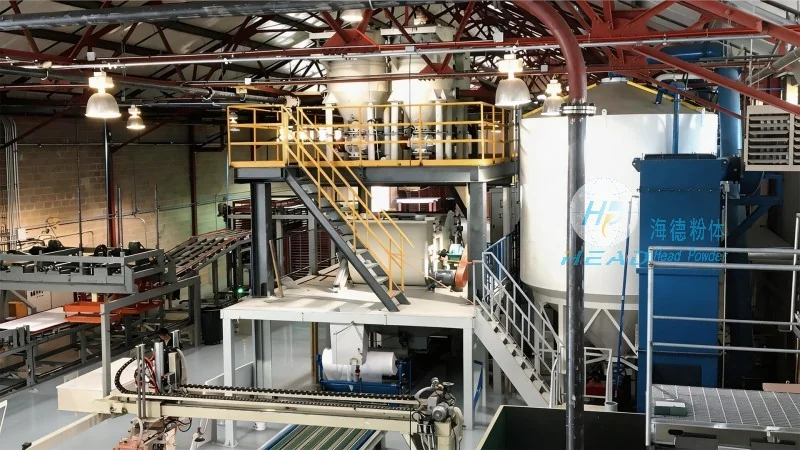
Working Principle of Maltose Pneumatic Conveying
The operation of a maltose pneumatic conveying system relies on the principles of fluid dynamics and air movement. In a pressure system, compressed air is introduced into the hopper, creating a pressure differential that propels the maltose particles through the pipeline. The air flow is carefully controlled to maintain a consistent velocity, preventing particle segregation or caking. Conversely, vacuum systems use suction to draw maltose from the hopper into the conveying line. The system’s design, including the type of air nozzle and pipeline configuration, is optimized to minimize pressure drop and energy consumption while maximizing throughput.
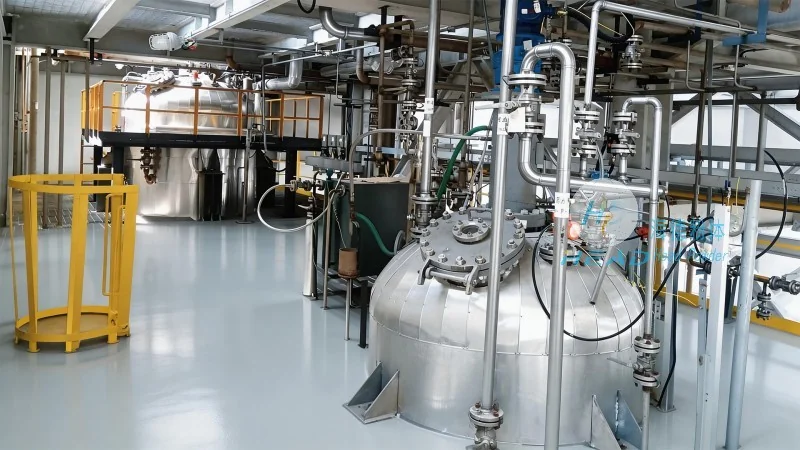
Advantages of Using Pneumatic Conveying for Maltose
Implementing pneumatic conveying equipment for maltose offers several advantages over traditional mechanical methods. Firstly, it eliminates the need for manual handling, reducing the risk of contamination and improving workplace safety. Secondly, the enclosed system prevents dust dispersion, which is crucial for maintaining product quality and compliance with environmental regulations. Additionally, pneumatic conveying systems can handle varying particle sizes and flow rates, providing flexibility in production processes. The efficiency of these systems also leads to lower operational costs over time, as they require less maintenance and energy compared to other bulk material handling solutions.
Application Scenarios in the Food Industry
Maltose pneumatic conveying equipment is widely used in various stages of food production, from raw material storage to final product packaging. In breweries, for example, maltose is often conveyed from storage silos to mixing tanks for beer production. The system’s ability to handle hygroscopic materials without moisture absorption ensures that the product remains stable and free from clumping. In confectionery manufacturing, maltose is used as a sweetener and texturizer, and the pneumatic conveying system ensures that it is delivered to mixing and processing lines without any loss of quality. The versatility of these systems makes them suitable for a range of applications, from small-scale production to large industrial operations.
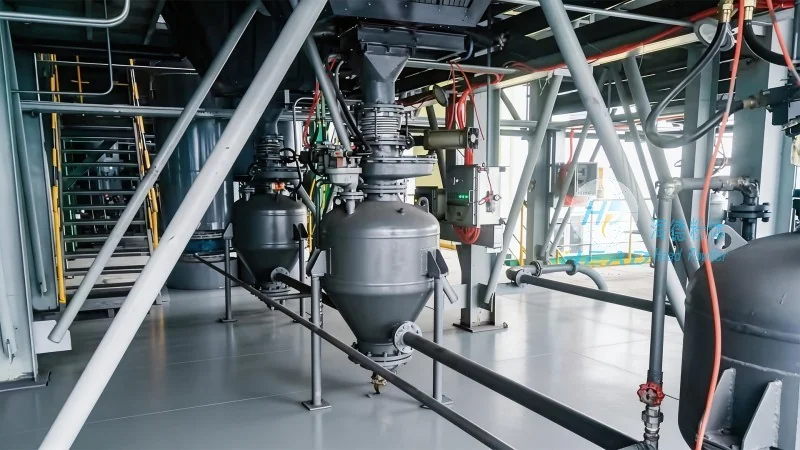
About Shandong HeadPowder Engineering Co., Ltd.
Shandong HeadPowder Engineering Co., Ltd., a leading manufacturer of powder handling equipment, specializes in designing and supplying customized pneumatic conveying solutions for various industries. With a focus on innovation and quality, the company has developed advanced systems tailored to the unique requirements of maltose and other fine powders. HeadPowder’s equipment is engineered to meet the highest standards of efficiency, reliability, and safety, ensuring that clients can achieve optimal performance in their production processes. The company’s headquarters is located in Shandong, China, where it maintains a state-of-the-art manufacturing facility and technical support team to serve customers globally.




