

What is a Calcium Powder Material Handling System? What is its Design Principle?
Calcium powder material handling systems are specialized equipment designed to efficiently transport and manage calcium powder, a critical component in various industrial applications. These systems are engineered to handle the unique properties of calcium powder, such as its fine particle size, dustiness, and potential reactivity, ensuring safe and reliable operation. Understanding the design principles behind these systems is essential for optimizing performance and maintaining operational efficiency.
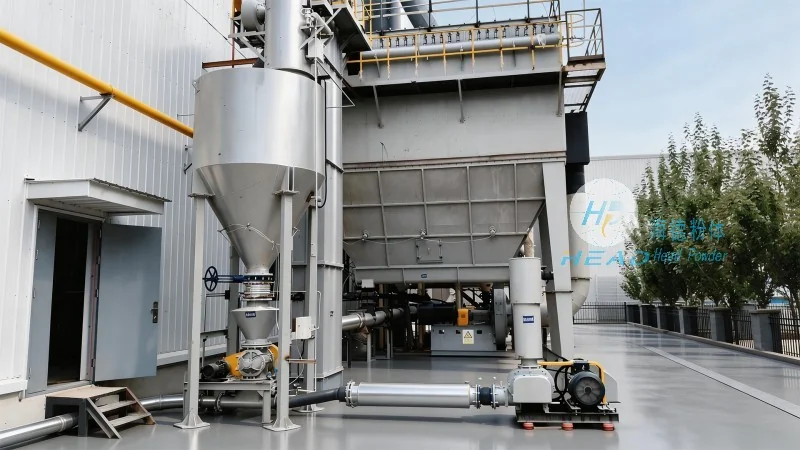
Overview of Calcium Powder Material Handling Systems
Calcium powder, often used in industries like construction, pharmaceuticals, and food processing, requires precise handling to prevent contamination and ensure consistent quality. A typical calcium powder material handling system consists of several key components, including hoppers, feeders, conveyors, and dust control systems. Each component is carefully designed to address the specific challenges associated with calcium powder, such as its tendency to clog or create static electricity. The system is typically integrated with control panels that allow operators to monitor and adjust the flow rate, ensuring optimal performance under varying conditions.
Design Principles for Calcium Powder Material Handling Systems
The design of a calcium powder material handling system is guided by several fundamental principles aimed at maximizing efficiency, safety, and durability. One of the primary principles is the minimization of material degradation, which is achieved through the use of materials that are resistant to corrosion and wear. For instance, stainless steel or special alloys are often used for hoppers and conveyors to prevent chemical reactions with calcium powder and to withstand the abrasive nature of the material. Another key principle is the prevention of dust accumulation and the control of airborne particles. This is typically accomplished through the implementation of sealed systems, air filtration, and static grounding to reduce the risk of fire or explosion.
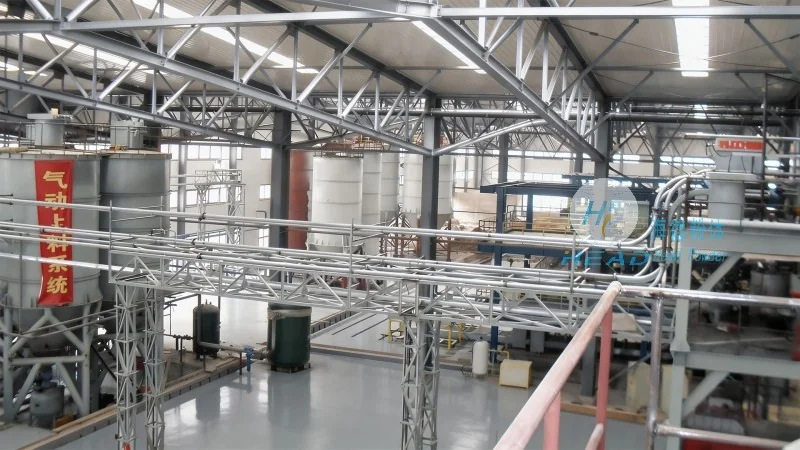
Flow control is another critical design consideration. Calcium powder can be prone to bridging or rat-holing in hoppers, which can disrupt the feeding process. To mitigate this, systems often incorporate vibrators, agitators, or rotary valves that ensure a consistent and uniform flow. The design also emphasizes the ability to handle varying particle sizes and moisture content, as these factors can significantly impact the material's behavior during transport. By addressing these variables, the system can maintain stable performance even with different batches of calcium powder.
Key Components and Their Functions
The effectiveness of a calcium powder material handling system relies on the proper integration of its key components. The hopper, typically made of a durable material like stainless steel, serves as the storage container for the calcium powder. It is designed with a conical or wedge-shaped bottom to facilitate the flow of material and prevent clogging. The feeder, often a rotary valve or a screw feeder, regulates the discharge rate from the hopper, ensuring a controlled and steady flow to the conveyor system.
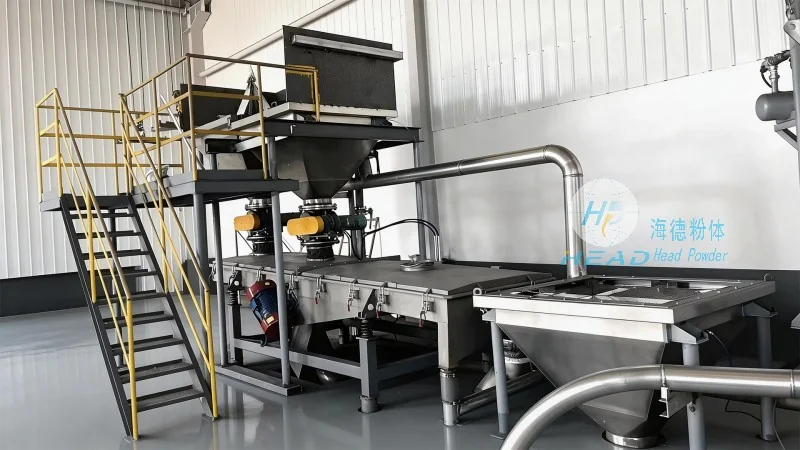
The conveyor system, which may include belt conveyors, pneumatic conveyors, or screw conveyors, transports the calcium powder from the feeder to the processing or packaging area. The choice of conveyor type depends on factors such as the material's characteristics, the required distance, and the desired speed. For calcium powder, pneumatic conveyors are commonly used due to their ability to handle fine powders and minimize dust generation. These systems use air pressure to move the material through a sealed pipeline, reducing the risk of contamination and improving safety.
Dust control is a critical aspect of the system, as calcium powder can create significant airborne dust. The design incorporates dust collection systems, such as cyclones or baghouses, that capture and filter the particles before releasing the air back into the environment. Additionally, static grounding is implemented to prevent the buildup of static electricity, which can cause sparks and pose a fire hazard. The control panel, equipped with sensors and monitoring devices, allows operators to track the system's performance, adjust settings, and receive alerts in case of any issues.
Applications and Benefits of Calcium Powder Material Handling Systems
Calcium powder material handling systems are widely used in various industries due to their ability to handle the unique properties of calcium powder efficiently. In the construction industry, these systems are used to transport calcium-based additives for concrete and mortar, ensuring consistent quality and reducing the risk of material degradation. In the pharmaceutical industry, the systems are employed to handle calcium supplements and other calcium-based medications, maintaining the purity and stability of the products. The food processing industry also benefits from these systems when handling calcium fortifiers for nutritional products.
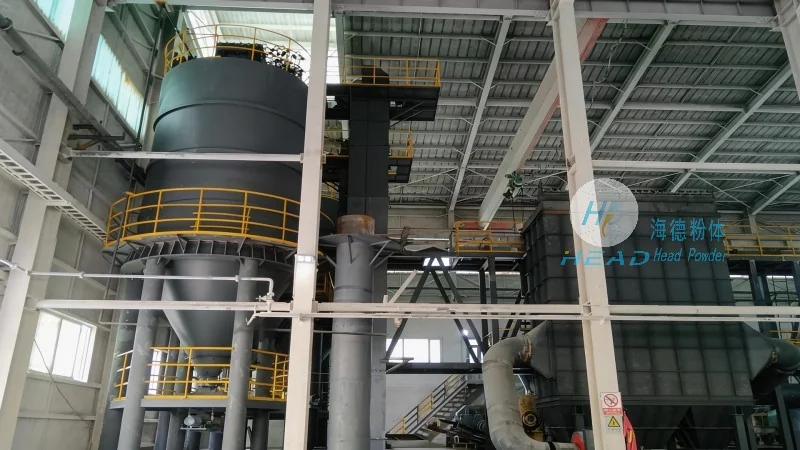
The primary benefits of using a well-designed calcium powder material handling system include improved operational efficiency, reduced downtime, and enhanced safety. By minimizing material loss and preventing clogging, the system ensures a consistent flow of calcium powder, which leads to higher productivity and lower maintenance costs. The dust control and static grounding features also contribute to a safer working environment, reducing the risk of accidents and health hazards associated with calcium powder dust. Furthermore, the modular design of these systems allows for easy integration with existing production lines, making them a cost-effective solution for industries requiring reliable calcium powder handling.
Conclusion
Calcium powder material handling systems are sophisticated pieces of equipment that combine advanced engineering principles with robust design to address the unique challenges of handling calcium powder. By understanding the design principles and key components of these systems, industries can optimize their operations, improve product quality, and ensure a safe working environment. The systems developed by Shandong HeadPowder Engineering Co., Ltd., with their focus on durability, efficiency, and safety, provide reliable solutions for the transportation and management of calcium powder in various industrial applications.