

What is a Perlite Material Handling System Equipment? What Are Its Design Principles?
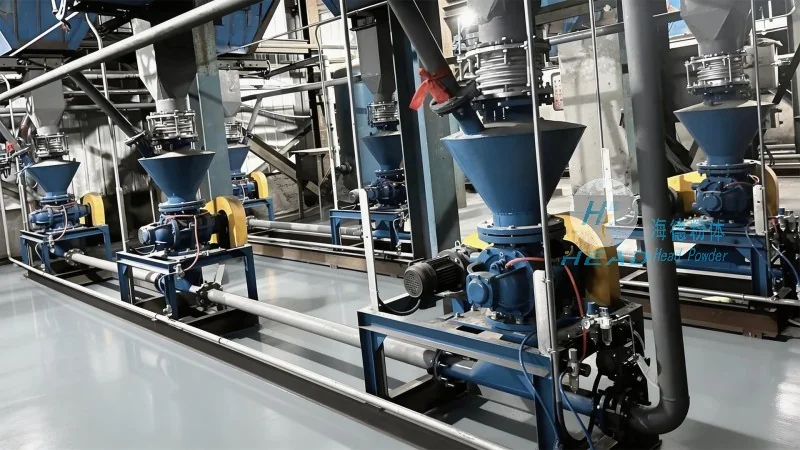
Perlite material handling systems are specialized equipment designed to efficiently transport and manage perlite, a lightweight, porous volcanic rock used in various industrial applications. These systems are crucial for industries such as horticulture, construction, and chemical processing, where perlite's unique properties—like its high bulk density and excellent thermal insulation—must be preserved during handling. The design of these systems is tailored to minimize material degradation, ensure consistent flow, and enhance operational safety, making them an essential component in modern production lines.
About Shandong HeadPowder Engineering Co., Ltd.
HeadPowder, or Shandong HeadPowder Engineering Co., Ltd., is a leading manufacturer and supplier of advanced material handling solutions. With a strong presence in China, particularly in Shandong province, the company specializes in developing customized systems for diverse bulk materials, including perlite. HeadPowder's commitment to innovation, quality, and customer satisfaction has established it as a trusted partner for businesses seeking reliable and efficient material handling equipment. The company's facilities and technical expertise enable it to design, fabricate, and install systems that meet the specific needs of clients, ensuring optimal performance and longevity.
Design Principles of Perlite Material Handling Systems
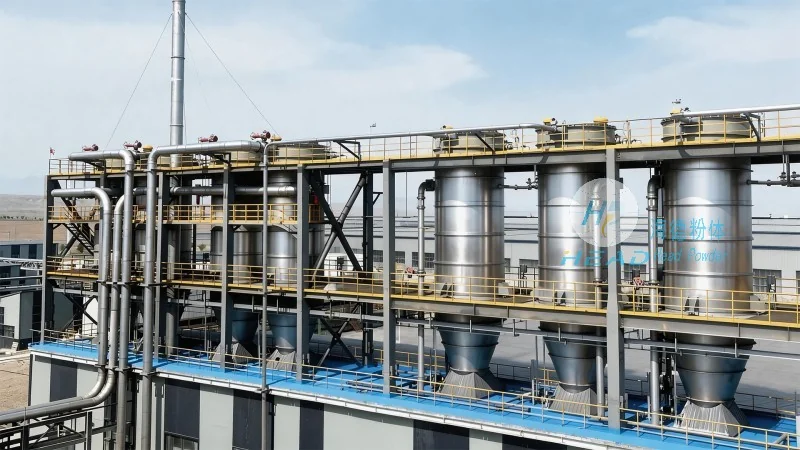
The design of perlite material handling systems is guided by several key principles aimed at maximizing efficiency and protecting the material's integrity. First, the system must accommodate perlite's low bulk density and high porosity, which can lead to issues like bridging and caking if not properly managed. To address this, the design incorporates features such as aeration and vibration mechanisms to prevent material buildup in hoppers and chutes. Second, the equipment is engineered to maintain the material's uniformity, as perlite's quality is critical for downstream applications. This involves using smooth, non-abrasive surfaces and gentle handling components to avoid particle breakage or segregation. Third, safety and operational efficiency are prioritized, with features like overload protection, dust suppression systems, and easy maintenance access integrated into the design. The system's layout is also optimized for space efficiency, ensuring that it can be integrated seamlessly into existing production facilities without disrupting workflow.
Key Components and Their Functions
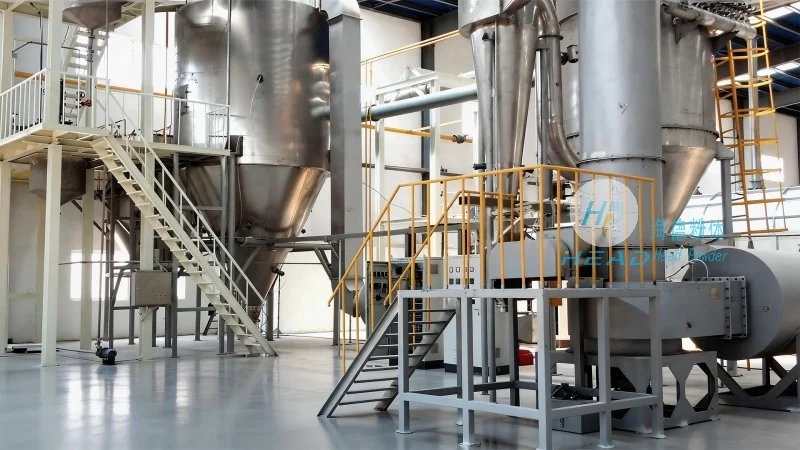
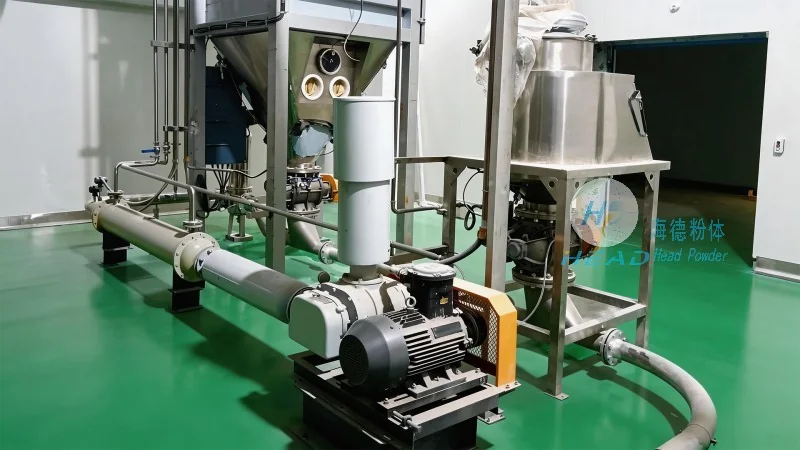
A typical perlite material handling system consists of several interconnected components, each playing a vital role in the overall operation. The primary components include a hopper for material storage, a feeder to control the flow rate, a conveyor or pneumatic transport system for movement, and a discharge mechanism for final delivery. The hopper is designed with a conical or rectangular shape to facilitate material flow and prevent bridging. The feeder, often a rotary or vibratory type, ensures a consistent and controlled discharge of perlite into the transport system. The conveyor or pneumatic system is selected based on the application requirements—for example, a belt conveyor for short distances or a pneumatic system for longer, more complex routes. The discharge mechanism, such as a rotary valve or slide gate, regulates the final output of the material, ensuring it is delivered to the next stage of processing without spillage or loss.
Advantages of Using Perlite Material Handling Systems
Implementing a perlite material handling system offers numerous advantages for businesses. Firstly, it significantly improves operational efficiency by reducing downtime caused by material blockages or equipment malfunctions. The system's design minimizes the risk of clogging, which is a common issue with traditional handling methods. Secondly, it enhances product quality by preserving perlite's physical properties. Gentle handling and consistent flow prevent particle degradation, ensuring that the final product meets the required specifications. Thirdly, the system improves workplace safety by integrating dust suppression and containment features, reducing the risk of respiratory issues and environmental contamination. Additionally, the modular design of these systems allows for easy expansion or modification as production needs change, providing long-term value and adaptability. For industries relying on perlite for their products, investing in a well-designed material handling system is a strategic decision that leads to cost savings, higher productivity, and better product consistency.