For industries dealing with stone powder and other granular materials, efficient material handling is crucial for maintaining production efficiency and safety. A specialized piece of equipment designed for this purpose is the stone powder granular material handling equipment. This equipment is engineered to transport, store, and manage stone powder and similar granular substances with precision and reliability. In this article, we will explore what this equipment entails and delve into the fundamental design principles that underpin its functionality.
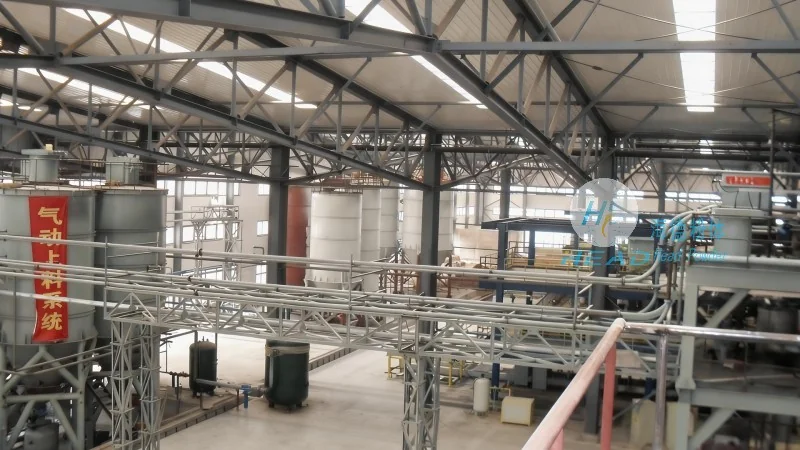
Key Components and Functions of the Equipment
The stone powder granular material handling equipment typically consists of several key components that work in tandem to ensure smooth material flow. These components include feed hoppers, conveyor systems (such as screw conveyors or belt conveyors), control panels, and discharge mechanisms. The feed hopper is responsible for receiving the stone powder from the source, while the conveyor system transports it to the desired location. Control panels allow operators to adjust the speed and direction of the material flow, ensuring optimal performance. The discharge mechanism then releases the material into storage bins or processing units. Each component is designed to handle the specific characteristics of stone powder, such as its fine particle size and potential for dust generation, ensuring that the material is handled safely and efficiently.
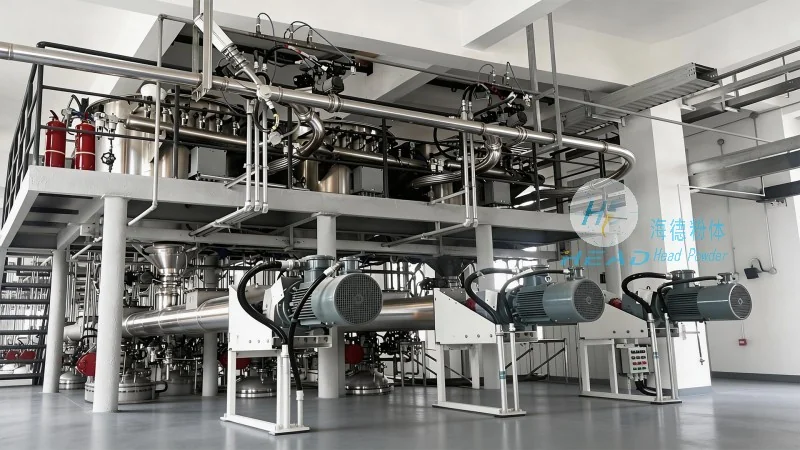
Design Principles for Optimal Performance
The design of stone powder granular material handling equipment is guided by several key principles aimed at maximizing efficiency, minimizing downtime, and ensuring safety. One of the primary principles is the consideration of material properties. Stone powder is often fine and can be prone to caking or bridging, which can impede the flow of material. Therefore, the equipment is designed with features such as agitators or vibrators to prevent these issues and maintain consistent material flow. Another important principle is the selection of appropriate materials for the construction of the equipment. Since stone powder can be abrasive and corrosive, components such as hoppers and conveyor belts are made from durable materials like stainless steel or high-grade plastics to withstand wear and tear. Additionally, the design incorporates dust control measures, such as sealed enclosures and filtration systems, to minimize the release of dust into the environment and protect the health of operators. The control systems are also designed to be user-friendly, with intuitive interfaces that allow operators to monitor and adjust the equipment's performance in real-time. This ensures that the equipment operates at peak efficiency and can be quickly adjusted to accommodate changes in material volume or processing requirements.
Applications and Benefits in Industrial Settings
Stone powder granular material handling equipment is widely used in various industrial applications, including mining, construction, and chemical processing. In mining operations, it is used to transport stone powder from crushing and grinding processes to storage or further processing units. In construction, it helps manage the distribution of stone powder for concrete production or other building materials. In chemical processing, it facilitates the handling of stone powder as a raw material or intermediate product. The benefits of using this equipment include improved production efficiency, reduced labor costs, and enhanced safety. By automating the material handling process, industries can minimize the risk of accidents caused by manual handling of fine materials and reduce the time spent on material transport. Additionally, the equipment's design ensures that the material is handled with minimal loss or contamination, which is critical for maintaining product quality. The consistent flow of material also helps in maintaining a steady production rate, which is essential for meeting demand and optimizing operational costs.
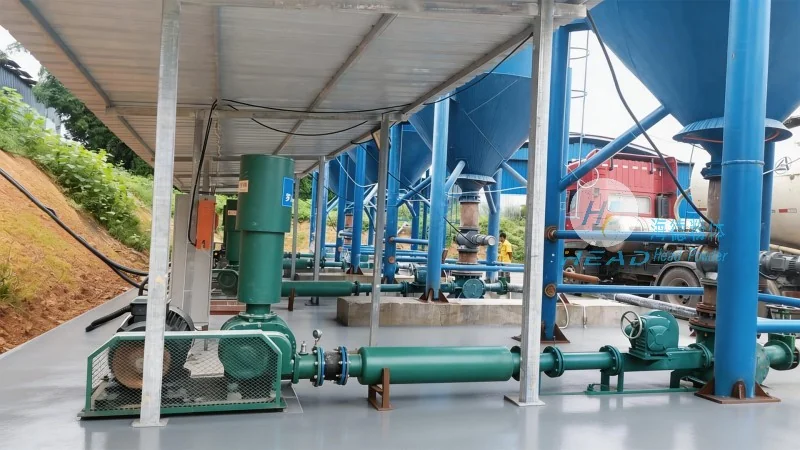
Customization and Maintenance Considerations
Given the diverse nature of industrial applications, stone powder granular material handling equipment is often customized to meet specific requirements. Manufacturers, such as Shandong HeadPowder Engineering Co., Ltd., based in China, offer tailored solutions that can be adjusted for different material types, processing volumes, and operational environments. Customization may include modifications to the conveyor system's capacity, the size of the feed hopper, or the integration of additional features like dust collection systems. Regular maintenance is also crucial for the long-term performance of the equipment. This includes routine inspections of components, lubrication of moving parts, and cleaning of the conveyor system to prevent the buildup of material and reduce the risk of mechanical failure. Proper maintenance not only extends the lifespan of the equipment but also ensures that it continues to operate efficiently and safely. By adhering to a regular maintenance schedule, industries can minimize downtime and maximize the return on their investment in the equipment.




