

What is Alumina Powder Material Handling Equipment? What are the Design Principles?
Alumina powder, a critical material in various industrial applications, requires specialized equipment for efficient and safe material handling. This article explores the types of equipment used for alumina powder transport and the underlying design principles that ensure optimal performance and reliability.
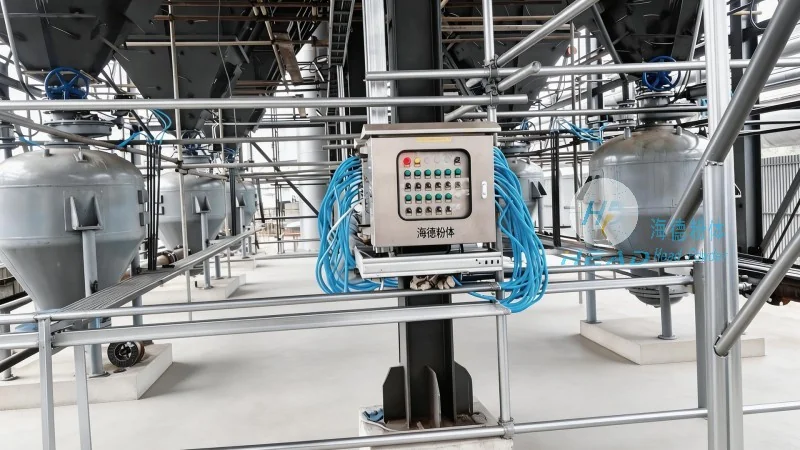
Introduction to Alumina Powder Material Handling Equipment
Alumina powder, also known as aluminum oxide, is widely used in industries such as ceramics, refractories, and chemical processing. Its handling demands equipment capable of managing its unique properties, including fine particle size, abrasive nature, and potential dust generation. The primary goal of alumina powder material handling equipment is to transport the powder from storage to processing units while maintaining product integrity, minimizing contamination, and ensuring operator safety.
Key Design Principles for Alumina Powder Handling Systems
The design of alumina powder material handling equipment is guided by several critical principles to address the material's characteristics. First, sealability and dust control are paramount to prevent airborne dust, which is both a health hazard and a risk to equipment longevity. Advanced sealing mechanisms, such as double-flanged valves and airtight enclosures, are commonly employed to contain the powder and maintain a controlled environment.
Second, abrasion resistance is a key consideration due to the abrasive nature of alumina powder. Components like conveyor belts, pipelines, and hoppers are often constructed from wear-resistant materials, including rubber, polyurethane, or specialized alloys, to withstand the constant friction and particle impact. This ensures the equipment maintains its structural integrity over extended periods of operation.
Third, flow optimization is essential to prevent clogging and ensure consistent material flow. The design incorporates features like inclined chutes, vibration systems, and air-assisted conveying to promote smooth movement of the fine particles. Properly sized and shaped components, such as feeders and distributors, help maintain uniform flow rates, reducing the risk of blockages or uneven distribution.
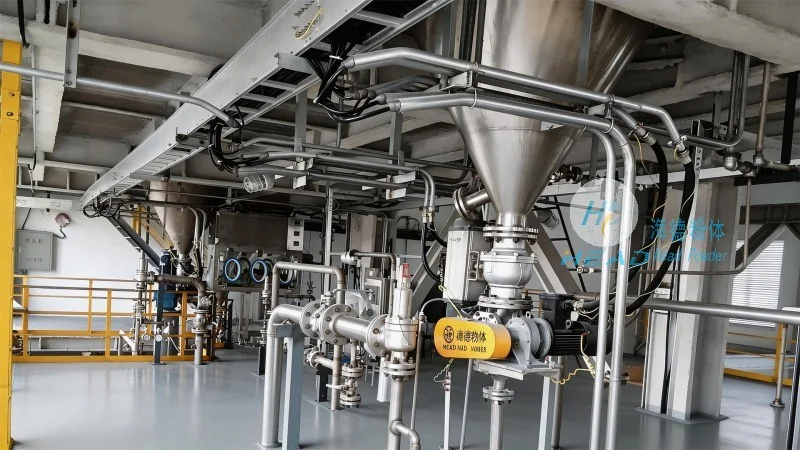
Common Equipment Types for Alumina Powder Transport
Several equipment types are commonly used for alumina powder handling, each tailored to specific operational needs. The most prevalent include:
Pneumatic Conveying Systems utilize air or gas to transport the powder through pipelines. These systems are ideal for long-distance transport and can handle both dilute and dense phase flows. The design typically involves a blower, filter, and receiver, ensuring efficient material movement while maintaining air quality.
Mechanical Conveyors, such as screw conveyors and belt conveyors, are widely used for short to medium-distance transport. Screw conveyors, with their helical screw design, are effective for vertical or horizontal transport, while belt conveyors offer high capacity and are suitable for bulk material handling. Both types are often equipped with protective coatings and wear-resistant components to handle the abrasive nature of alumina powder.
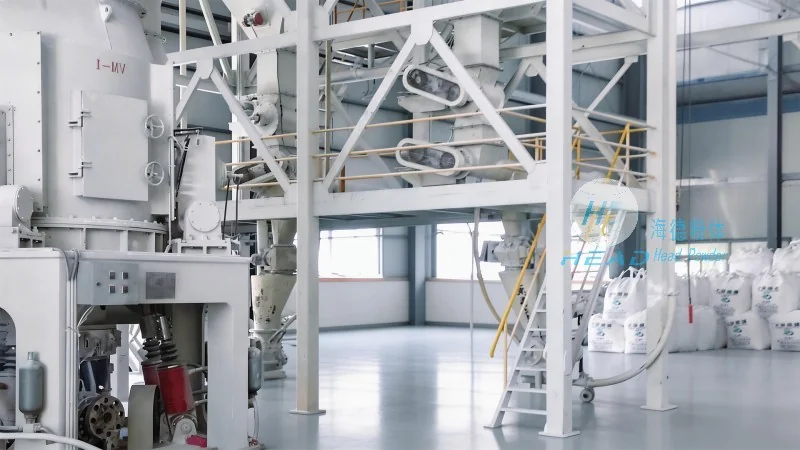
Rotary Valves and Feeders are critical for controlling the flow rate and preventing backflow. These devices, often made from stainless steel or other corrosion-resistant materials, ensure precise metering of the powder and maintain a consistent feed to downstream processing equipment. Proper sealing and lubrication are essential to prevent leakage and ensure long-term reliability.
Role of Material Handling Equipment in Alumina Processing
The effectiveness of alumina powder material handling equipment directly impacts the overall efficiency and quality of alumina processing operations. Efficient transport reduces downtime, minimizes material loss, and ensures consistent input to processing units. Additionally, well-designed equipment helps maintain product purity by preventing contamination from external sources and controlling dust exposure.
In industrial settings, the choice of equipment depends on factors such as the scale of operation, the specific properties of the alumina powder (e.g., particle size distribution, moisture content), and the downstream processing requirements. A well-engineered material handling system not only improves operational performance but also enhances safety by reducing the risk of dust explosions and operator exposure to hazardous materials.
Conclusion
Alumina powder material handling equipment is a specialized field that combines engineering principles with an understanding of the material's unique characteristics. The design principles of sealability, abrasion resistance, and flow optimization are crucial for developing equipment that meets the demands of modern alumina processing. By leveraging advanced materials and innovative design, manufacturers like Shandong HeadPowder Engineering Co., Ltd. in China provide reliable solutions that enhance efficiency, safety, and product quality in alumina handling applications.