

What Are Desulfurization Gypsum Material Handling Equipment? And What Are Their Design Principles?
Desulfurization gypsum, a byproduct of flue gas desulfurization in thermal power plants, requires specialized equipment for efficient material handling. The equipment designed for this purpose is known as desulfurization gypsum material handling equipment, which plays a crucial role in the industrial process of handling and transporting this material. This article will explore the components, design principles, and operational aspects of such equipment, providing a comprehensive understanding for those involved in industrial material handling.
Understanding Desulfurization Gypsum and Its Handling Needs
Desulfurization gypsum, also referred to as FGD gypsum, is a fine, white powder produced from the removal of sulfur dioxide from flue gases. It is a valuable byproduct that can be used in various applications, including cement production, wallboard manufacturing, and soil amendment. However, due to its fine particle size and moisture content, handling this material requires specialized equipment to ensure efficiency, safety, and minimal environmental impact. The design of desulfurization gypsum material handling equipment must address these specific characteristics to achieve optimal performance.
Key Components of Desulfurization Gypsum Material Handling Equipment
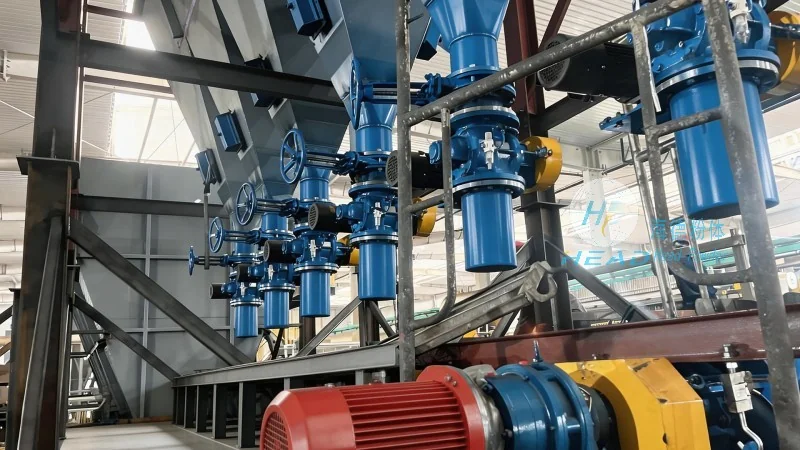
The desulfurization gypsum material handling equipment typically consists of several key components that work together to transport and process the material. These components include feeders, conveyors, storage silos, and discharge systems. Each component is designed to handle the unique properties of desulfurization gypsum, such as its fine particle size, which can lead to issues like caking or bridging in traditional storage systems. The equipment is engineered to maintain the material's quality and prevent degradation during handling.
Design Principles for Efficient Material Handling
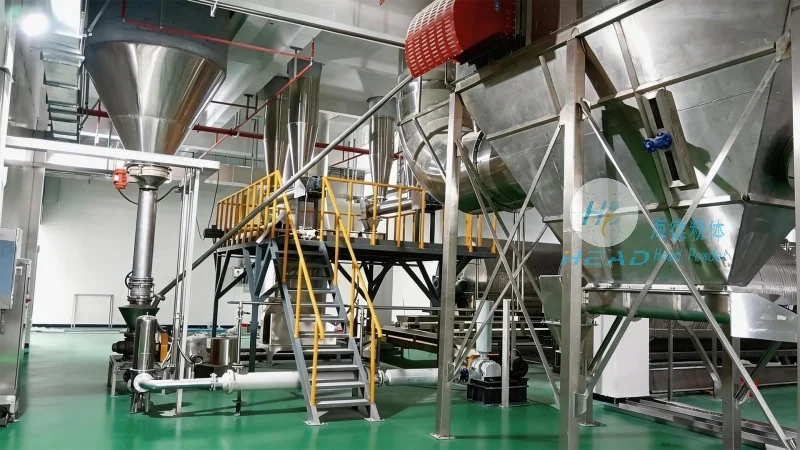
The design principles of desulfurization gypsum material handling equipment focus on maximizing efficiency, minimizing energy consumption, and ensuring safety. One of the primary design considerations is the material's flow characteristics. Since desulfurization gypsum is a fine powder, it can exhibit cohesive behavior, making it difficult to flow freely. Therefore, equipment designers incorporate features like agitators, vibrators, or air cannons to prevent caking and ensure smooth material flow. Additionally, the equipment is constructed from materials resistant to corrosion and abrasion, as the gypsum can be slightly acidic and abrasive over time.
Operational Considerations and Maintenance
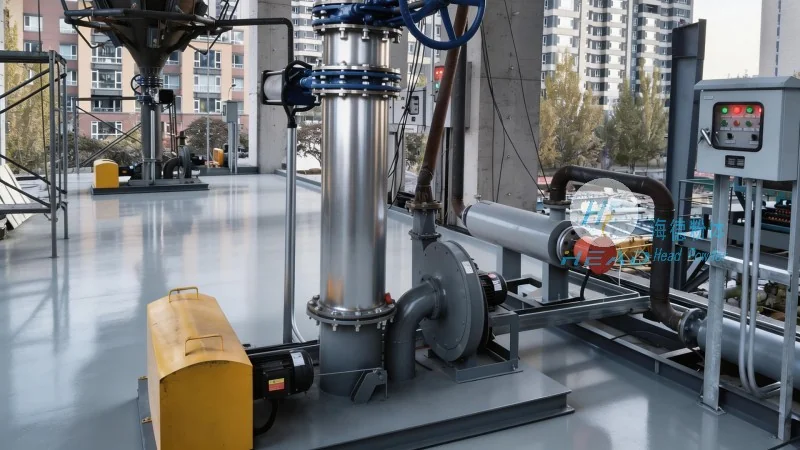
Proper operation and maintenance of desulfurization gypsum material handling equipment are essential for long-term performance and reliability. Regular maintenance, including cleaning of conveyor belts, checking for wear and tear on components, and ensuring proper lubrication, helps prevent downtime and extends the equipment's lifespan. Operational considerations also include controlling moisture content, as excess moisture can affect the material's handling properties and lead to blockages. The equipment is designed to be user-friendly, with easy access to components for maintenance and monitoring of operational parameters.
About Shandong HeadPowder Engineering Co., Ltd.
Shandong HeadPowder Engineering Co., Ltd., a leading manufacturer in the field of industrial material handling equipment, specializes in designing and manufacturing desulfurization gypsum material handling systems. With years of experience and a commitment to quality, HeadPowder provides customized solutions tailored to the specific needs of clients in the power and construction industries. The company's products are engineered to meet international standards and are known for their durability, efficiency, and reliability. HeadPowder's team of engineers and technicians work closely with clients to understand their requirements and develop solutions that enhance operational efficiency and reduce costs.