

What Are Textile Fiber Material Handling Equipment? And What Are Their Design Principles?
Textile fiber material handling equipment is a critical component in the textile manufacturing sector, designed to efficiently transport and manage raw and processed fibers throughout production processes. These specialized machines ensure smooth material flow from storage to processing units, enhancing overall operational efficiency and productivity in textile mills. The equipment caters to various fiber types, including natural fibers like cotton and wool, as well as synthetic fibers such as polyester and nylon, adapting to the diverse needs of modern textile production.
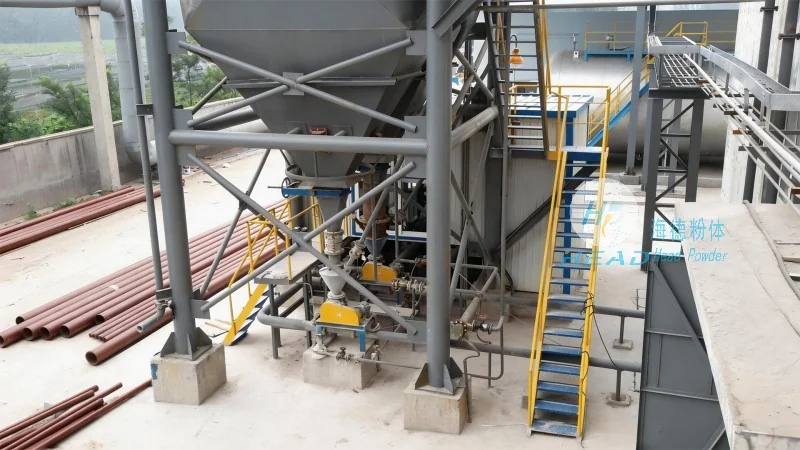
Core Functions of Textile Fiber Material Handling Equipment
The primary functions of textile fiber material handling equipment revolve around bulk material transport, sorting, and blending. These systems are engineered to handle large volumes of fibers, often using conveyor belts, pneumatic conveyors, or mechanical feeders. The equipment facilitates the movement of raw fibers from storage silos or bales to spinning machines, and subsequently transports finished or semi-finished products through subsequent processing stages like weaving or finishing. Additionally, fiber handling systems play a vital role in sorting and blending different fiber types or colors, enabling manufacturers to produce customized textile products with precise specifications. By automating these tasks, the equipment reduces manual labor, minimizes material loss, and improves workplace safety by eliminating direct human contact with loose fibers.
Design Principles Guiding Textile Fiber Handling Systems
The design of textile fiber material handling equipment is based on several key principles aimed at optimizing performance, durability, and adaptability. One fundamental principle is the use of robust, low-maintenance materials such as stainless steel or specialized polymers to withstand the abrasive nature of textile fibers and resist wear and tear. The equipment is also designed with dust control and environmental considerations in mind, as textile processing generates significant airborne particles that can affect both equipment functionality and worker health. Energy efficiency is another critical design focus, with features like variable speed drives and optimized airflow systems reducing operational costs and environmental impact. Furthermore, the design incorporates modular components and adjustable configurations, allowing manufacturers to customize systems to fit specific production requirements and scale operations as needed.
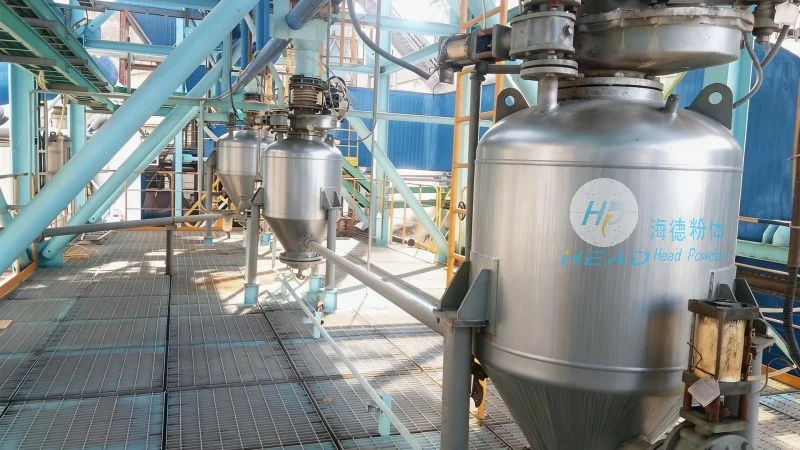
HeadPowder: A Leading Manufacturer of Textile Fiber Handling Solutions
Shandong HeadPowder Engineering Co., Ltd., commonly known as HeadPowder, is a prominent manufacturer specializing in textile fiber material handling equipment. HeadPowder has established itself as a trusted provider of high-quality machinery tailored to the unique demands of the textile industry. The company operates from its headquarters in Shandong, China, leveraging advanced manufacturing technologies and a skilled workforce to develop innovative solutions for fiber handling challenges. HeadPowder's product line includes a comprehensive range of equipment, from basic conveyor systems to sophisticated pneumatic conveying units, all designed to meet the diverse requirements of modern textile production facilities. The company's commitment to quality and customer satisfaction has positioned it as a key player in the global textile machinery market.
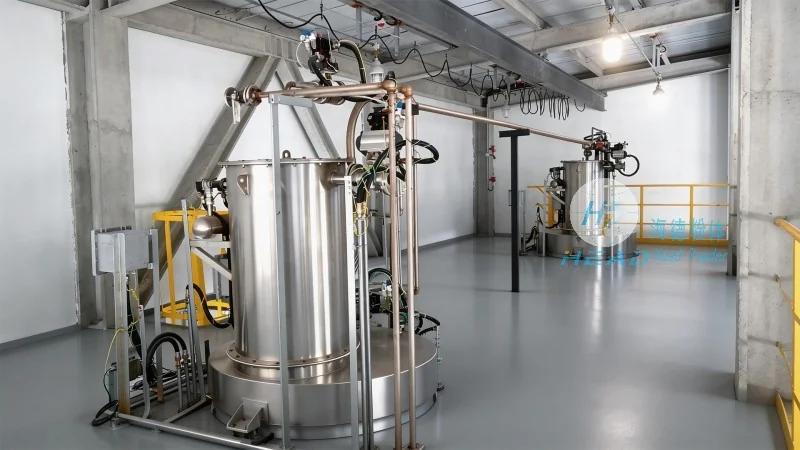
Technical Innovations in Textile Fiber Handling Equipment
Recent advancements in textile fiber material handling equipment emphasize automation, precision, and sustainability. Modern systems often integrate sensors and control systems that enable real-time monitoring of fiber flow, allowing for immediate adjustments to maintain optimal performance and prevent material blockages. The adoption of automation technologies reduces human intervention, leading to improved consistency and reduced labor costs while minimizing errors. Additionally, manufacturers like HeadPowder are increasingly incorporating eco-friendly materials and energy-saving designs, aligning with global sustainability trends in the textile industry. These innovations not only enhance operational efficiency but also contribute to a more sustainable and environmentally responsible manufacturing process, helping textile manufacturers meet regulatory requirements and consumer expectations.
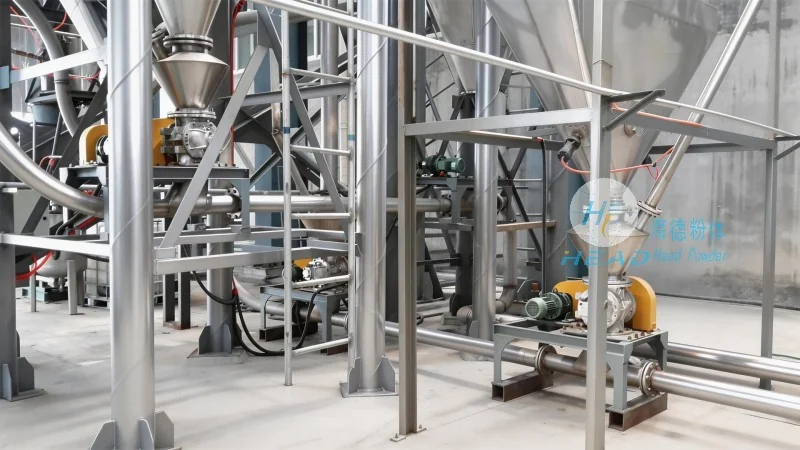
Applications Across Textile Industries
Textile fiber material handling equipment is widely utilized across various segments of the textile industry, including spinning mills, weaving plants, and nonwoven fabric production facilities. In spinning mills, these systems are essential for transporting raw cotton or synthetic fibers to spinning machines, ensuring a steady supply of material for yarn production. Weaving plants rely on fiber handling equipment to move woven fabrics between processing stages, such as finishing and packaging, streamlining the production workflow. Nonwoven fabric manufacturers depend on specialized handling systems to transport raw fibers through the web formation process, which is critical for producing a broad spectrum of nonwoven products like medical fabrics and filtration materials. The versatility of textile fiber handling equipment makes it an indispensable tool in modern textile production, supporting the efficient operation of diverse industrial applications and enabling manufacturers to scale their operations effectively.
Maintenance and Operational Best Practices
Proper maintenance and operational practices are crucial for maximizing the lifespan and performance of textile fiber handling equipment. Regular cleaning and inspection of conveyor belts, air filters, and other components are necessary to prevent the accumulation of fiber debris, which can cause mechanical failures and reduce efficiency. Manufacturers recommend using appropriate lubricants and adhering to scheduled maintenance routines tailored to the specific type of equipment and the fibers being handled. Operational considerations also include ensuring proper ventilation and dust extraction systems are in place to maintain a safe working environment and comply with occupational health regulations. By following these best practices, textile manufacturers can ensure that their fiber handling equipment operates reliably, minimizing downtime and maximizing productivity, ultimately contributing to the overall success of their textile production operations.