

What is CaO Slag Material Handling Equipment? What are the Design Principles?
CaO slag, also known as calcium carbide slag, is a byproduct generated during the production of calcium carbide. This material is characterized by its high alkalinity, abrasive nature, and the presence of various impurities. The efficient handling and transportation of CaO slag are critical for industrial processes, as improper handling can lead to equipment wear, operational inefficiencies, and environmental concerns. This article explores the types of equipment used for CaO slag material handling and delves into the design principles that ensure optimal performance and longevity.
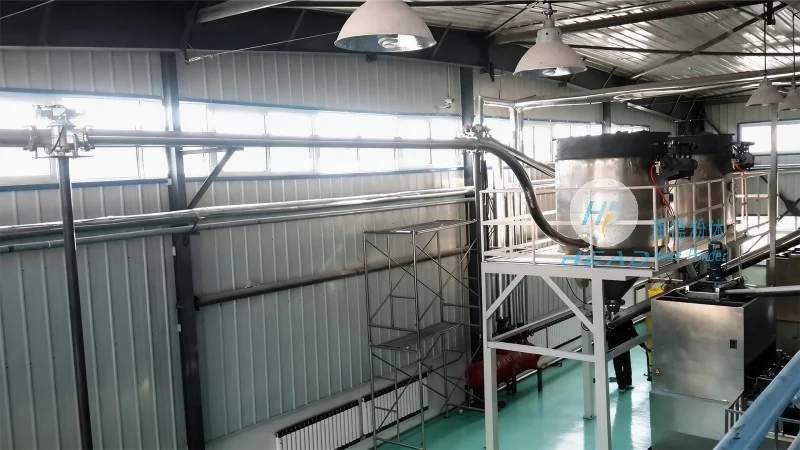
Introduction to CaO Slag Material Handling Equipment
CaO slag material handling equipment is specifically engineered to manage the unique properties of calcium carbide slag. These materials are typically dry, powdery, or semi-solid, and often contain hard particles that can cause significant wear on conventional equipment. The primary goal of such equipment is to transport, store, or process CaO slag while minimizing operational risks and maximizing efficiency. The selection of appropriate equipment depends on the specific characteristics of the slag, such as particle size, moisture content, and flowability.
Key Equipment for CaO Slag Material Handling
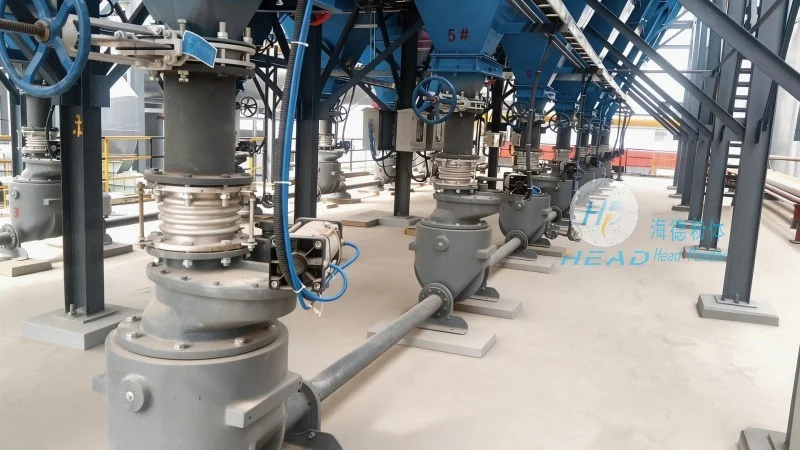
Several types of equipment are commonly used in the handling of CaO slag. The most prevalent include belt conveyors, screw conveyors, and pneumatic conveying systems. Each of these systems is designed to address different operational requirements and material characteristics.
Belt Conveyors
Belt conveyors are widely used for the horizontal and inclined transport of CaO slag. They are particularly effective for handling bulk quantities of material over long distances. The design of belt conveyors for CaO slag typically involves using heavy-duty belts and robust idlers to withstand the abrasive nature of the slag. The belt material is often selected for its resistance to wear and chemical attack, ensuring a longer service life. Additionally, the conveyor system may include features such as tensioning mechanisms and cleaning devices to maintain optimal performance and prevent material buildup.
Screw Conveyors
Screw conveyors, also known as auger conveyors, are ideal for the vertical or horizontal transport of CaO slag in confined spaces. They are particularly useful when the material needs to be elevated or moved through tight areas. The screw conveyor consists of a rotating helical screw inside a trough, which pushes the material forward. For CaO slag, the screw and trough are constructed from wear-resistant materials, such as high-chrome steel or rubber-lined components, to reduce wear and extend the equipment's lifespan. The design of the screw pitch and diameter is critical to ensure proper material flow and prevent blockages.
Pneumatic Conveying Systems
Pneumatic conveying systems use air or other gases to transport CaO slag in a closed system. This method is particularly effective for handling fine powders or when the material needs to be transported over short to medium distances. The system typically includes a hopper, a blower, and a receiver. The CaO slag is fed into the hopper and then conveyed through a pipeline using the air flow. The design of the system focuses on maintaining consistent air pressure and velocity to ensure efficient material transport. Additionally, the system may include filters and cyclones to separate the material from the air and prevent dust emissions.
Design Principles for CaO Slag Material Handling Equipment
The design of CaO slag material handling equipment is guided by several key principles to ensure reliability, efficiency, and safety. These principles address the unique challenges posed by the material's properties, such as abrasiveness, alkalinity, and flow characteristics.
Material Selection and Wear Resistance
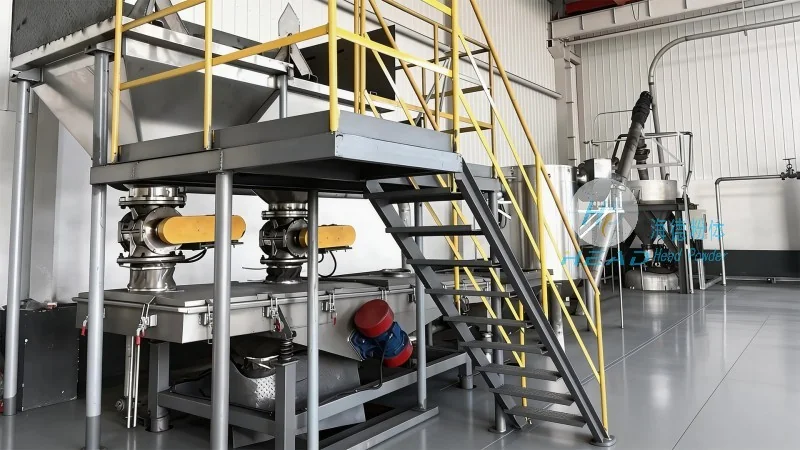
One of the most critical design considerations is the selection of materials that can withstand the abrasive and corrosive nature of CaO slag. Components such as conveyor belts, screw flights, and trough liners are typically made from high-chrome steel, rubber, or other wear-resistant materials. The choice of material depends on the specific operating conditions, including the particle size, moisture content, and temperature of the slag. For example, high-chrome steel is preferred for its hardness and resistance to wear, while rubber liners may be used for softer materials or to reduce noise and vibration.
Equipment Durability and Longevity
CaO slag handling equipment is subject to high wear rates due to the abrasive nature of the material. Therefore, the design emphasizes durability and longevity. This includes using reinforced structures, heavy-duty bearings, and robust drive systems. The equipment is also designed to be easily maintainable, with access points for inspection and replacement of worn parts. Regular maintenance is essential to ensure the equipment operates at optimal efficiency and to prevent unexpected breakdowns.
Process Efficiency and Flow Control
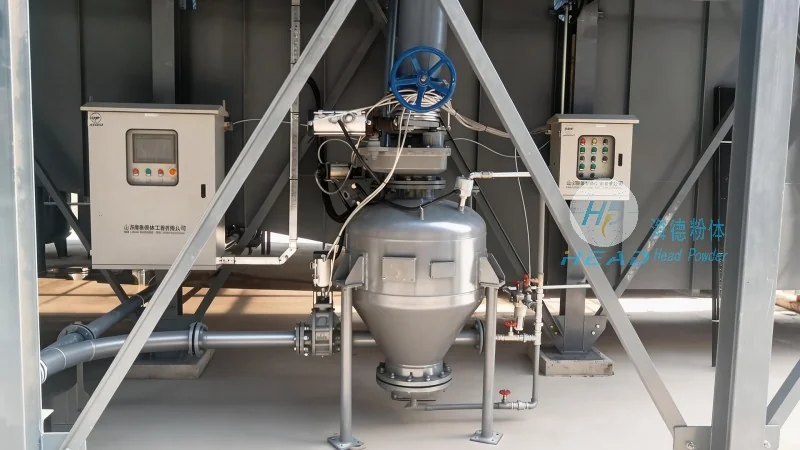
Efficient material flow is crucial for the performance of CaO slag handling equipment. The design incorporates features to control the flow of the material, such as feed hoppers with adjustable gates, variable speed drives, and flow meters. These features help maintain consistent material flow rates, prevent blockages, and optimize the overall process. The design also considers the need for storage and buffering, as CaO slag production may vary, and the handling equipment must be able to accommodate fluctuations in material volume.
Environmental and Safety Considerations
The handling of CaO slag also requires attention to environmental and safety aspects. The equipment is designed to minimize dust emissions and prevent the release of harmful substances. This includes the use of dust collection systems, sealed conveyor systems, and proper ventilation. Additionally, the equipment is designed to comply with safety regulations, including the use of protective guards and emergency stop mechanisms. The design also considers the potential for chemical reactions or heat generation during handling, and appropriate measures are taken to prevent accidents.
Conclusion
CaO slag material handling equipment is a critical component of industrial processes that involve the production and use of calcium carbide. The design of such equipment must address the unique properties of CaO slag, including its abrasiveness, alkalinity, and flow characteristics. By selecting appropriate equipment and adhering to key design principles, such as material selection, durability, and flow control, industrial operations can ensure efficient and safe handling of CaO slag. The equipment from Shandong HeadPowder Engineering Co., Ltd. is engineered to meet these requirements, providing reliable and long-lasting solutions for CaO slag material handling.