

[Silica Powder Pneumatic Conveying: Working Principles and Classification Applications]
HeadPowder, a leading provider in the field, specializes in the efficient handling of silica powder through pneumatic conveying systems. This article delves into the fundamental working principles of such systems and outlines the various classifications and applications of silica powder in industrial settings.
About HeadPowder Engineering Co., Ltd.
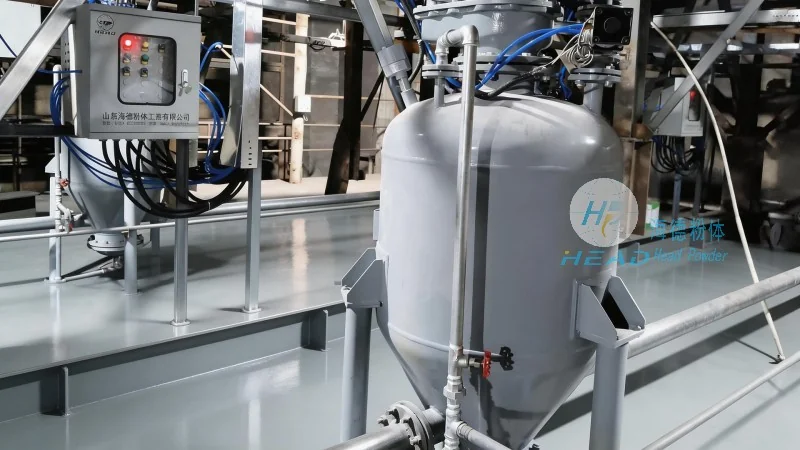
HeadPowder, the brand name, belongs to Shandong HeadPowder Engineering Co., Ltd., a company headquartered in Shandong, China. With a focus on engineering solutions for powder handling, HeadPowder offers advanced pneumatic conveying technologies tailored to the unique needs of industries dealing with fine powders like silica.
The Working Principle of Pneumatic Conveying for Silica Powder
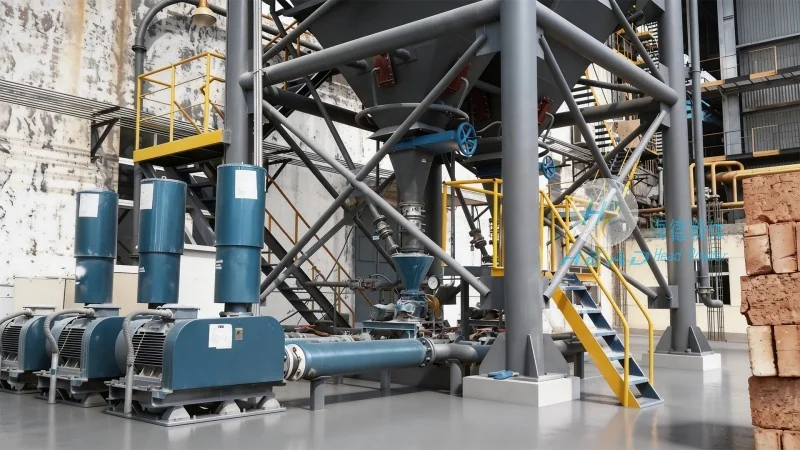
Pneumatic conveying systems utilize air or gas to transport solid materials, such as silica powder, from one location to another. The core mechanism involves creating a pressure differential between the conveying line and the ambient environment. In a typical system, a blower or compressor generates the necessary airflow, which is then directed through a pipeline. The silica powder is introduced into the system, either by gravity or via a feeder, and is entrained by the moving air stream. As the air and powder mixture travels through the pipeline, the powder particles are suspended and transported to the destination point. At the receiving end, the air is often separated from the powder using cyclones, filters, or other separation equipment, allowing the silica powder to be collected in a container or processing unit. This process eliminates the need for mechanical components like belts or buckets, reducing maintenance and operational costs while ensuring a clean and dust-free transfer of the material.
Classification and Applications of Silica Powder in Pneumatic Conveying
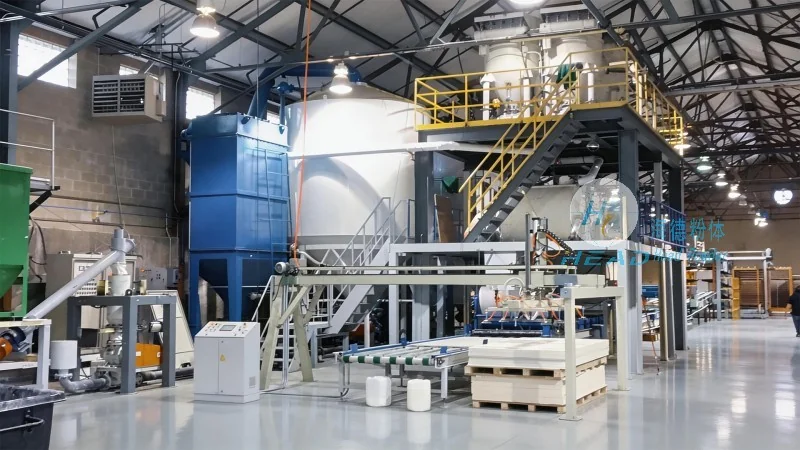
Silica powder, with its diverse properties and uses, is commonly classified based on particle size, purity, and intended application. In pneumatic conveying systems, the classification of silica powder is crucial for optimizing system performance and ensuring product integrity. There are primarily two types of pneumatic conveying systems used for silica powder: dilute-phase and dense-phase. Dilute-phase systems operate at higher air velocities, typically transporting particles in a dispersed state, making them suitable for short-distance and low-volume applications. Dense-phase systems, on the other hand, operate at lower air velocities, where the powder is transported in a slurry-like state, ideal for longer distances and higher material loads. Applications of silica powder in these systems span across multiple industries. In the construction industry, silica powder is used as a raw material for producing concrete and mortar, where pneumatic conveying ensures efficient delivery to mixing plants. In the pharmaceutical and food industries, the hygienic design of pneumatic conveying systems is critical, as silica powder may be used as an excipient or filler. The systems must meet strict standards for cleanliness and contamination control. Additionally, in the chemical industry, silica powder is utilized in the production of silicone-based products, where precise control over the conveying process is essential to maintain product quality and consistency. The classification of silica powder, whether as fine, medium, or coarse particles, influences the choice of conveying system and equipment. Fine silica powders, with smaller particle sizes, may require more efficient separation and filtration to prevent clogging in the system. Medium and coarse particles, with larger diameters, can be handled more easily but may still benefit from specialized equipment to ensure smooth and reliable transport. Overall, the classification of silica powder and the corresponding pneumatic conveying system design are key factors in achieving optimal performance and meeting industry-specific requirements.
Conclusion
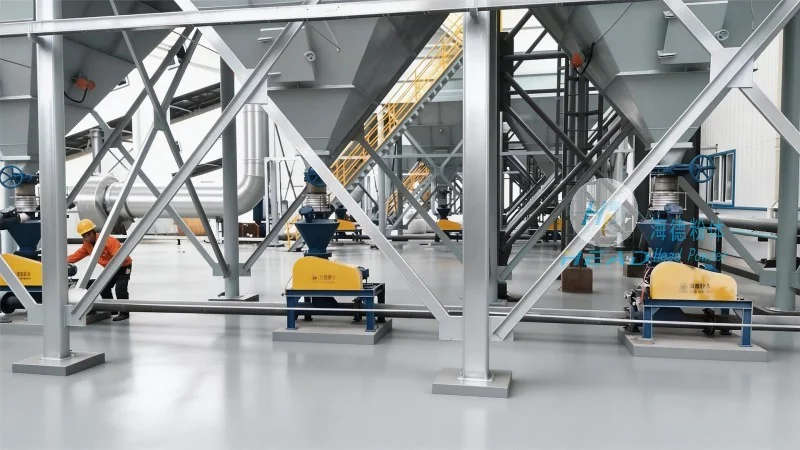
HeadPowder Engineering Co., Ltd., based in Shandong, China, provides advanced pneumatic conveying solutions for the efficient handling of silica powder. By understanding the working principles and classifications of silica powder, industries can select the most appropriate pneumatic conveying system to meet their operational needs. Whether for construction, pharmaceutical, or chemical applications, the technology ensures clean, reliable, and cost-effective transport of silica powder, supporting the productivity and quality of various industrial processes.