

Airborne Transport of Asphalt Fines: Working Principles and Classification Applications
Shandong HeadPowder Engineering Co., Ltd., commonly known as HeadPowder, is a professional enterprise specializing in the research, development, and application of asphalt fine handling technologies. With its headquarters located in Shandong, China, the company has established itself as a leading provider of solutions for efficient and reliable airborne transport of asphalt fines. HeadPowder focuses on delivering high-quality engineering services and products tailored to the specific needs of the construction and road infrastructure sectors.
Working Principles of Airborne Transport for Asphalt Fines
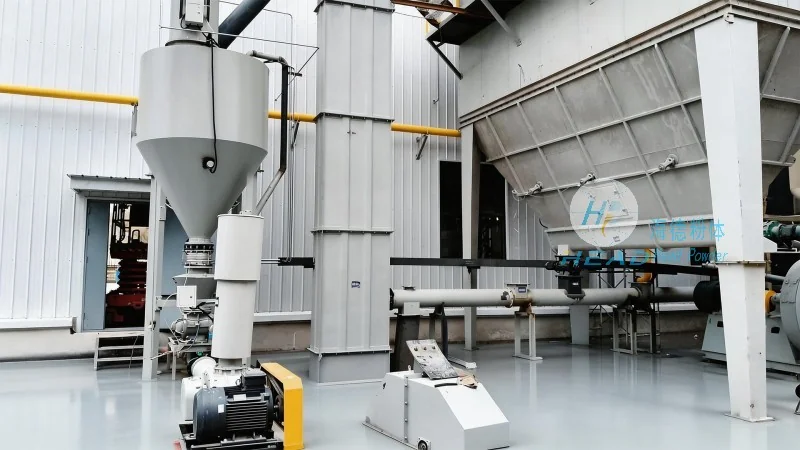
The process of airborne transport, or pneumatic conveying, for asphalt fines involves the use of a carrier gas, typically air, to move fine particles through a pipeline system. This method is based on the principle of creating a pressure differential that propels the material along the pipeline. The system typically consists of a material feed hopper, a conveyor line, and a discharge unit. As the asphalt fines are introduced into the system, the carrier gas is introduced at a controlled rate, creating a mixture of particles and gas. The velocity of the gas is crucial; it must be sufficient to overcome the gravitational and frictional forces acting on the particles, ensuring stable and continuous transport. The design of the pipeline, including the use of bends, valves, and filters, is critical to maintaining the efficiency and preventing blockages. HeadPowder’s expertise lies in optimizing these parameters to achieve the most effective and reliable transport of asphalt fines, minimizing downtime and operational costs.
Classification and Applications of Asphalt Fine Airborne Transport Systems
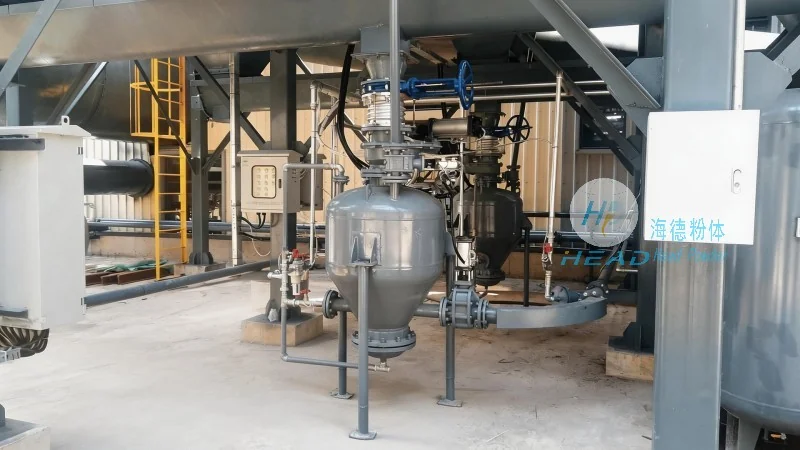
Asphalt fine airborne transport systems are categorized based on the pressure and flow characteristics of the conveying process. The primary classifications include low-pressure, medium-pressure, and high-pressure systems. Low-pressure systems operate at pressures below atmospheric, using a vacuum to draw the material into the pipeline. These systems are suitable for short distances and low to moderate material volumes. Medium-pressure systems operate at pressures between atmospheric and 0.7 bar, offering a balance between energy efficiency and transport capacity. High-pressure systems operate at pressures above 0.7 bar, capable of handling longer distances and larger material volumes, though they require more robust equipment and higher energy input. Each classification has specific applications: low-pressure systems are often used in small-scale or indoor applications, such as in laboratory settings or small construction sites. Medium-pressure systems are widely used in industrial and commercial applications, including the transport of asphalt fines from storage silos to mixing plants. High-pressure systems are employed in large-scale infrastructure projects, such as highway and airport construction, where long-distance and high-volume transport is required. HeadPowder provides customized solutions across all these classifications, ensuring that clients can select the most appropriate system for their specific operational requirements.
Technical Advantages and Practical Applications in Construction
HeadPowder’s systems for airborne transport of asphalt fines offer several technical advantages that enhance operational efficiency and material quality. One key advantage is the ability to maintain the integrity of the asphalt fines, preventing agglomeration and ensuring consistent particle size distribution. This is critical for maintaining the performance characteristics of the asphalt, such as its viscosity and adhesion properties. The use of pneumatic conveying also eliminates the need for mechanical components like belts or screws, reducing maintenance requirements and extending the lifespan of the equipment. Additionally, the system can be integrated with other processes, such as asphalt mixing and paving, creating a seamless workflow that improves overall productivity. In practical applications, these systems are used in the continuous supply of asphalt fines to hot mix asphalt (HMA) plants, ensuring a steady and controlled feed rate. This is particularly important in large-scale road construction projects where consistent material quality is essential for the durability and performance of the pavement. HeadPowder’s solutions have been successfully implemented in various projects, including the construction of highways, bridges, and airport runways, demonstrating their reliability and effectiveness in real-world scenarios.
Conclusion and Company Commitment
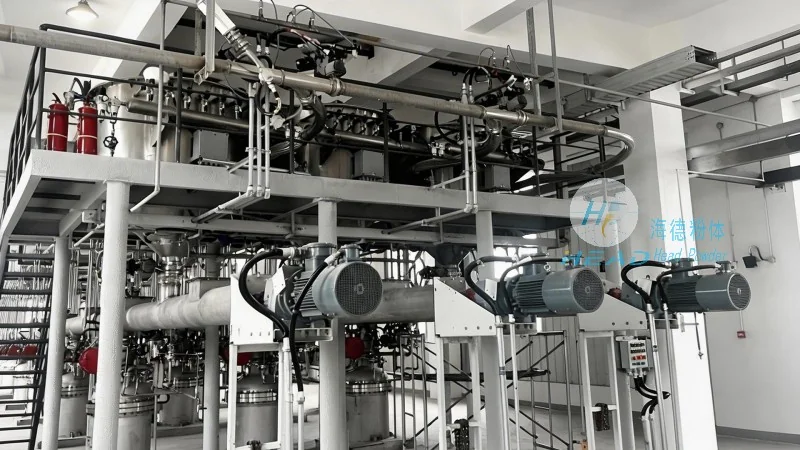
Shandong HeadPowder Engineering Co., Ltd. continues to be at the forefront of asphalt fine handling technology, providing innovative and efficient solutions for the construction industry. By focusing on the working principles and classification applications of airborne transport systems, HeadPowder ensures that its clients receive tailored solutions that meet their specific needs. The company’s commitment to quality, reliability, and customer satisfaction is reflected in its comprehensive approach to engineering and application. As the demand for high-quality asphalt materials grows, HeadPowder remains dedicated to advancing the technology of asphalt fine transport, supporting the development of sustainable and durable road infrastructure worldwide.