

Working Principle and Features of PVC Resin Powder Conveying Systems
HeadPowder, a leading engineering company based in Shandong, China, specializes in the design and implementation of advanced powder handling solutions. This article delves into the working principle and key features of PVC resin powder conveying systems, which are essential for efficient material transport in industrial applications.
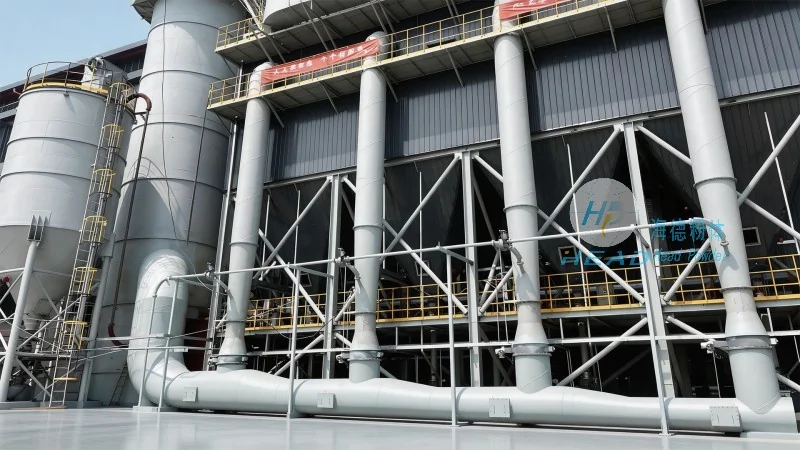
Understanding the Working Principle of PVC Resin Powder Conveying Systems
PVC resin powder conveying systems are engineered to transport PVC resin particles from storage silos or hoppers to processing equipment such as mixers, extruders, or granulators. The core of these systems typically involves a combination of mechanical and pneumatic components that work in tandem to ensure reliable and consistent material flow. A common configuration includes a hopper equipped with a rotary valve or feeder, which regulates the discharge of PVC resin into a conveying line. The material is then propelled through the system by either a positive displacement blower or a vacuum pump, depending on the specific design. The conveying line, often made of stainless steel or other corrosion-resistant materials, is designed to minimize material degradation and maintain product integrity. At the receiving end, a rotary valve or a discharge hopper collects the PVC resin, ready for the next stage of processing. This integrated approach ensures that the entire conveying process is controlled, monitored, and optimized for performance.
Key Features of PVC Resin Powder Conveying Systems
Efficiency and Reliability: One of the primary features of PVC resin powder conveying systems is their high efficiency in transporting large volumes of material with minimal downtime. The use of positive displacement blowers or vacuum pumps provides consistent air flow, ensuring that the PVC resin moves smoothly through the system without blockages or clogs. This reliability is crucial for maintaining production schedules and reducing operational disruptions.
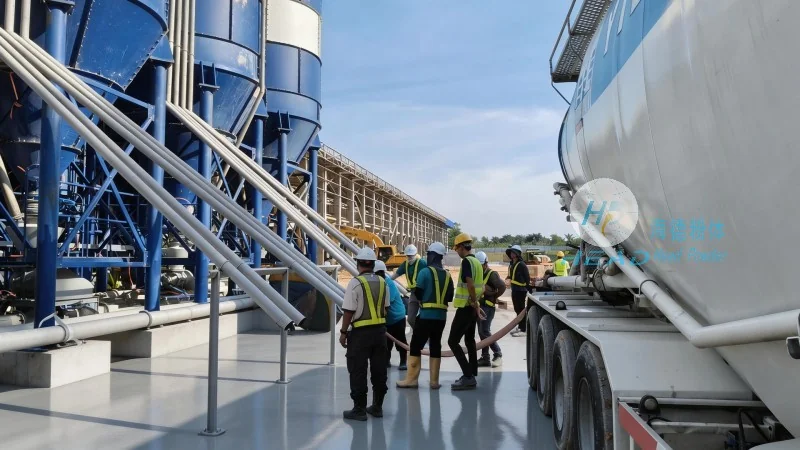
Environmental Friendliness: Modern PVC resin powder conveying systems are designed with environmental considerations in mind. Many systems incorporate dust collection and filtration mechanisms to minimize airborne particulates, which is essential for compliance with industrial safety regulations and for maintaining a clean working environment. The use of sealed conveying lines also helps to prevent dust emissions, contributing to a safer and more sustainable operation.
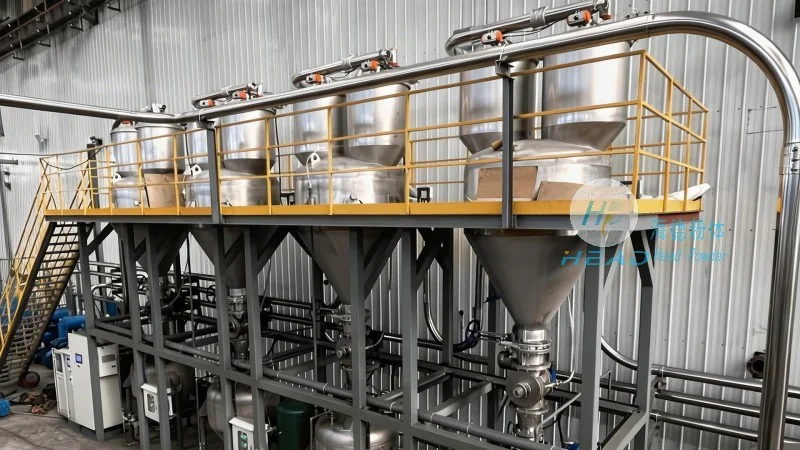
Customization and Flexibility: HeadPowder recognizes that different industrial applications have unique requirements. Therefore, their PVC resin powder conveying systems are highly customizable to meet specific needs. This includes adjustable conveying rates, variable line lengths, and compatibility with various PVC resin types and particle sizes. The modular design allows for easy integration with existing production lines, reducing installation time and costs.
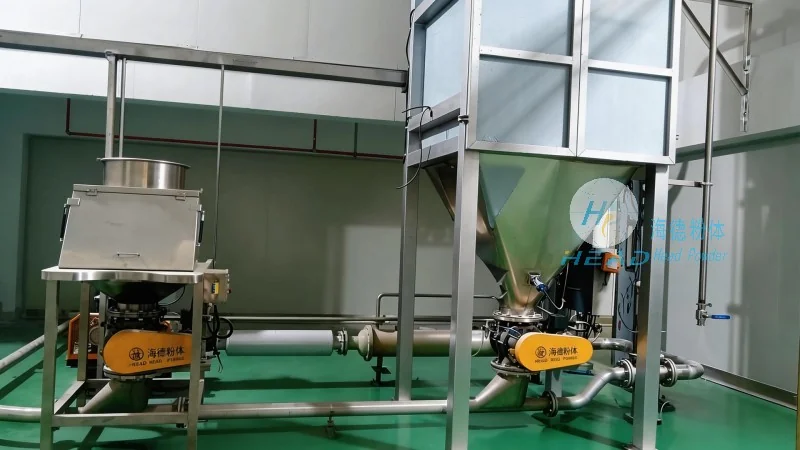
Material Integrity Preservation: Maintaining the quality of PVC resin is paramount in processing. The conveying systems are constructed from materials that are resistant to chemical and thermal degradation, ensuring that the resin's properties remain unchanged during transport. Additionally, the low-velocity conveying method minimizes particle attrition and agglomeration, preserving the resin's original characteristics for optimal processing outcomes.
Conclusion and Company Expertise
HeadPowder Engineering Co., Ltd., based in Shandong, China, is a trusted provider of advanced PVC resin powder conveying systems. With a focus on efficiency, reliability, and environmental responsibility, their solutions are tailored to meet the diverse needs of industrial clients. By leveraging cutting-edge technology and engineering expertise, HeadPowder ensures that their conveying systems deliver consistent performance, helping businesses maintain productivity and product quality in PVC resin processing operations.