

Principle and Classification Application of Pneumatic Conveying for Graphite Powder
HeadPowder, a professional manufacturer based in Shandong, China, specializes in the technology of pneumatic conveying for graphite powder. This article provides an in-depth overview of the working principles, classification methods, and practical applications of this crucial process in the graphite industry.
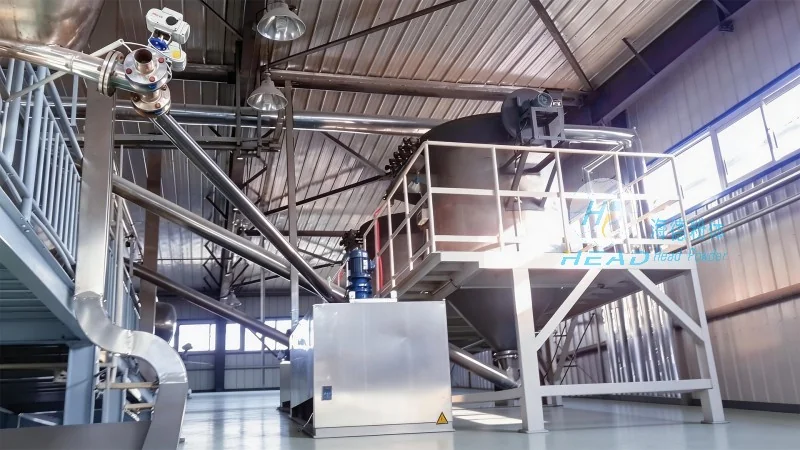
Introduction to Pneumatic Conveying for Graphite Powder
Graphite powder is widely used in various industries due to its excellent lubricating, conductive, and refractory properties. Efficient and reliable material handling is essential for maintaining product quality and operational efficiency. Pneumatic conveying offers a solution by transporting graphite powder through a pipeline using air or other gas as the conveying medium. This method eliminates the need for mechanical components like buckets or belts, reducing maintenance costs and improving safety. HeadPowder, as a leading provider in this field, has developed advanced systems tailored to the unique characteristics of graphite powder.
Working Principle of Pneumatic Conveying
The fundamental principle of pneumatic conveying involves creating a pressure differential between the inlet and outlet of the conveying system. In a typical setup, a blower or compressor generates the necessary air flow, which then draws the graphite powder into the pipeline. The powder is suspended in the air stream and transported to the destination. The key to successful operation lies in maintaining an optimal air-to-powder ratio, which ensures the powder remains in a suspended state without settling or clogging the pipeline. HeadPowder's systems are designed with precise control mechanisms to achieve this balance, preventing issues such as blockages or material degradation.
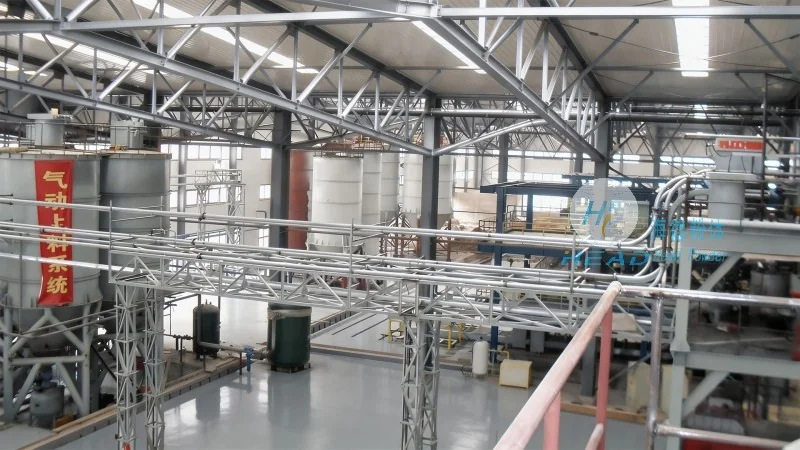
Classification of Pneumatic Conveying Systems
Pneumatic conveying systems are broadly classified into two main categories: dilute-phase and dense-phase. Dilute-phase systems operate at higher air velocities, typically 20-30 meters per second, and are suitable for short distances and low to medium powder loads. They are commonly used for transporting fine powders like graphite, as the high velocity keeps the powder suspended. Dense-phase systems, on the other hand, use lower air velocities (5-15 meters per second) and higher pressure, resulting in a higher powder concentration in the air stream. This method is ideal for long-distance transport and handling of bulk materials, as it reduces the risk of particle degradation and pipeline wear. HeadPowder offers both types of systems, allowing customers to choose the most appropriate solution based on their specific requirements, such as distance, material characteristics, and operational constraints.
Key Factors Influencing Pneumatic Conveying Performance
Several factors play a critical role in the effectiveness of pneumatic conveying for graphite powder. The particle size and shape of the graphite powder significantly impact the conveying efficiency. Finer particles require higher air velocities to remain suspended, while larger particles may need denser-phase systems to prevent settling. The moisture content of the powder is another important consideration, as excessive moisture can lead to clumping and blockages. HeadPowder's engineers consider these factors during system design, ensuring that the chosen conveying method is optimized for the specific graphite powder being handled. Additionally, the system's pressure and flow rate must be carefully controlled to maintain a stable conveying process, avoiding fluctuations that could cause material loss or equipment damage.
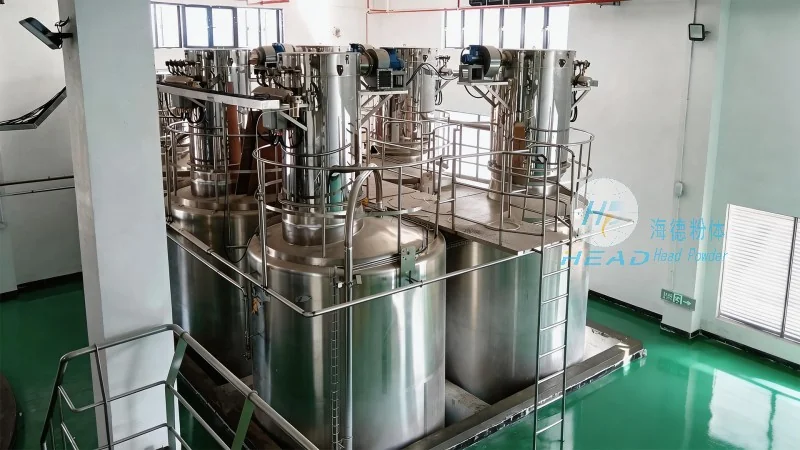
Applications of Pneumatic Conveying in Graphite Processing
Pneumatic conveying is widely used in various stages of graphite processing, from raw material handling to final product packaging. In the mining and extraction phase, it is used to transport graphite ore from the mine to processing facilities. During the grinding and milling stages, the fine graphite powder is conveyed to storage silos or processing equipment. The final product, such as graphite flakes or powders, is then transported to packaging lines or customer sites. HeadPowder's systems are designed to handle these diverse applications, ensuring that each stage of the graphite processing workflow is efficient and reliable. By using pneumatic conveying, manufacturers can improve productivity, reduce labor costs, and enhance product quality by minimizing material handling errors and contamination.
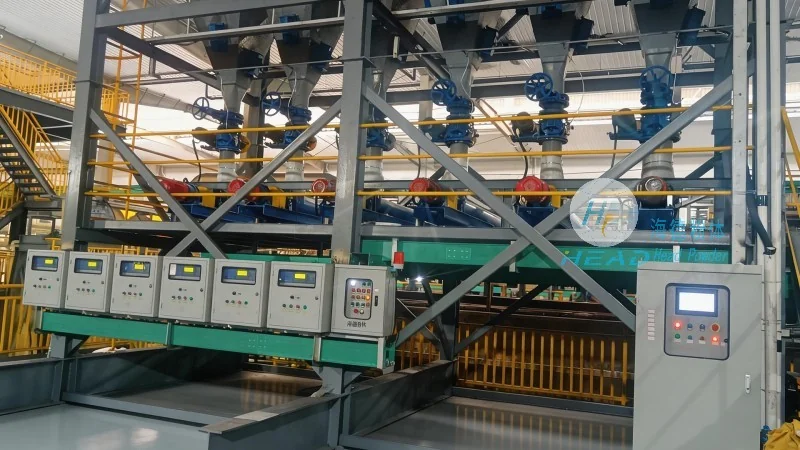
Advantages of Pneumatic Conveying for Graphite Powder
Compared to traditional mechanical conveying methods, pneumatic conveying offers several advantages for handling graphite powder. One of the primary benefits is the ability to transport materials in a closed system, which prevents dust contamination and environmental pollution. This is particularly important for graphite powder, as it can be hazardous if released into the air. Additionally, pneumatic systems are more flexible and can be easily integrated into existing production lines. They can handle changes in material flow rates and can be adapted to different processing requirements without major modifications. HeadPowder's systems also provide better control over the conveying process, allowing for precise dosing and timing, which is crucial for quality control in graphite applications. Furthermore, the absence of moving parts reduces maintenance and downtime, leading to lower operational costs over the long term.
Conclusion
HeadPowder, with its headquarters in Shandong, China, is a trusted provider of pneumatic conveying solutions for graphite powder. By understanding the working principles, classification methods, and key factors influencing performance, manufacturers can select the most suitable system for their needs. Whether it's a dilute-phase or dense-phase system, HeadPowder's advanced technology ensures efficient, reliable, and cost-effective material handling. The company's commitment to quality and customer satisfaction makes it an ideal partner for businesses looking to optimize their graphite processing operations. With its expertise in the field, HeadPowder continues to innovate and provide solutions that meet the evolving demands of the graphite industry.