

Principle and Classification Application of Zinc Oxide Pneumatic Conveying
HeadPowder, a leading enterprise in the field of powder engineering, specializes in the design, manufacturing, and application of advanced pneumatic conveying systems for various industrial materials, including zinc oxide. This article provides an in-depth exploration of the working principles, classification methods, and practical applications of zinc oxide pneumatic conveying, highlighting the technical expertise and solutions offered by Shandong HeadPowder Engineering Co., Ltd. based in Shandong, China.
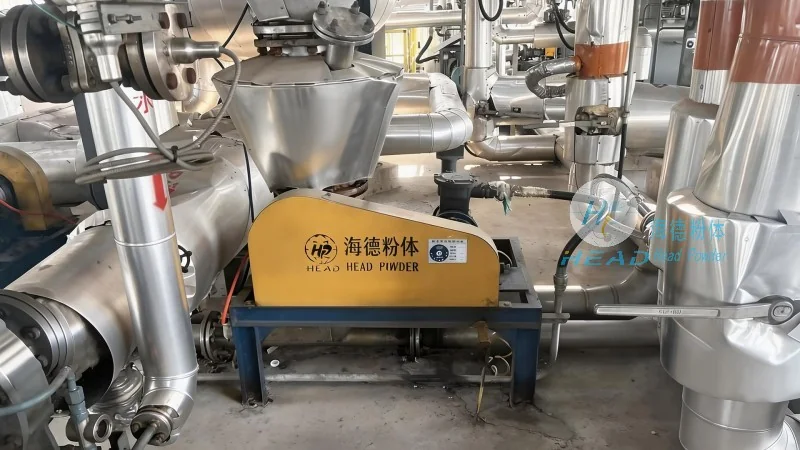
Understanding Zinc Oxide Pneumatic Conveying: Core Principles
Zinc oxide (ZnO) is a widely used industrial material in sectors such as pharmaceuticals, ceramics, and rubber manufacturing. Pneumatic conveying, as a key technology for transporting ZnO, involves the use of air or other gases to move powder materials through a pipeline system. The fundamental principle of this process is to create a pressure differential that propels the powder particles forward. By generating a flow of air at a sufficient velocity, the system can overcome the gravitational forces acting on the powder and ensure efficient transport from the source to the destination. This method offers significant advantages over traditional mechanical conveying, including reduced equipment wear, lower maintenance costs, and enhanced safety in handling potentially hazardous materials like ZnO.
Key Working Mechanisms in Zinc Oxide Pneumatic Conveying
The operation of a zinc oxide pneumatic conveying system typically involves several critical components and mechanisms. The system starts with a material hopper or feeder that holds the ZnO powder. A blower or compressor then generates the necessary air pressure and flow rate. The air is introduced into the pipeline, and the ZnO particles are entrained by the moving air stream. The combination of air velocity and particle size determines the conveying velocity and system efficiency. The design of the pipeline, including bends, valves, and filters, is crucial to maintain consistent flow and prevent material buildup or blockages. Additionally, the system may incorporate features like cyclone separators or dust collectors to separate the ZnO particles from the air stream at the receiving end, ensuring clean and efficient material recovery.
Classification of Zinc Oxide Pneumatic Conveying Systems
Zinc oxide pneumatic conveying systems can be broadly classified based on the pressure and flow characteristics. The primary categories include:
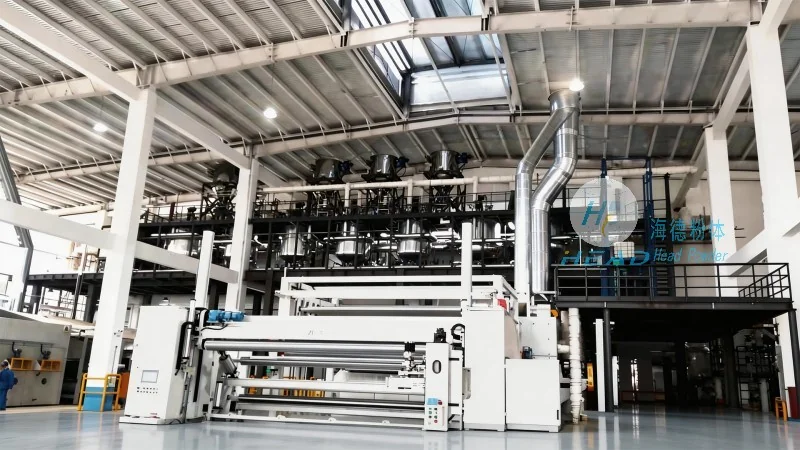
1. Dilute Phase Pneumatic Conveying: This is the most common type, where the powder is suspended in the air stream at a low concentration. It is suitable for long-distance transport and is widely used in industrial applications due to its efficiency and cost-effectiveness. The system operates at relatively low pressure and high air velocity, ensuring smooth and continuous material movement.
2. Dense Phase Pneumatic Conveying: In this method, the powder is conveyed at a higher concentration, with the particles moving in a more compact manner. This approach is ideal for handling delicate or sensitive materials like ZnO, as it reduces particle impact and friction, minimizing product degradation. Dense phase systems typically operate at higher pressure and lower air velocity compared to dilute phase systems.
3. Pressure and Vacuum Conveying: These systems use either positive pressure (pressure conveying) or negative pressure (vacuum conveying) to move the ZnO powder. Pressure conveying involves blowing air into the pipeline to push the material forward, while vacuum conveying uses a vacuum pump to draw the material into the system. Each method has its specific applications, depending on the distance, material properties, and system requirements.
Applications of Zinc Oxide Pneumatic Conveying in Industrial Settings
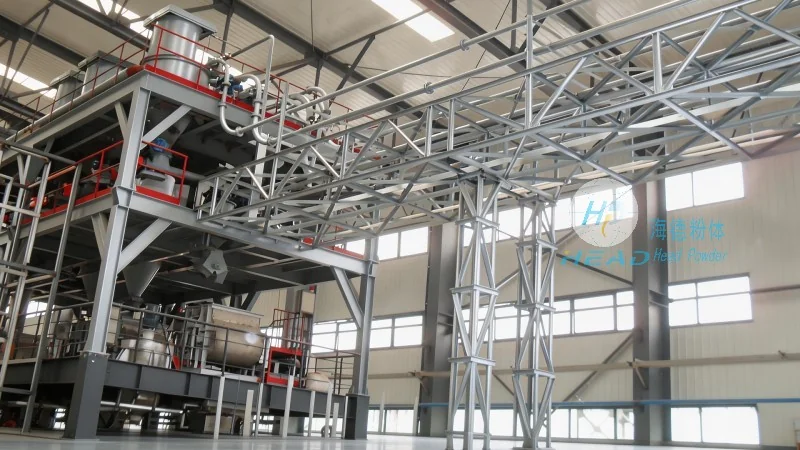
The versatility of zinc oxide pneumatic conveying systems makes them indispensable in various industrial processes. In the pharmaceutical industry, ZnO is used as an active ingredient in topical medications and sunscreens. Pneumatic conveying ensures that the material is transported hygienically and efficiently from storage to production lines, maintaining product purity and quality. In the ceramics sector, ZnO is a key component in glazes and pigments, and the conveying system helps in precise dosing and mixing, enhancing the final product's characteristics. The rubber industry also relies on ZnO for vulcanization processes, where the material needs to be delivered to mixing equipment without contamination or loss. Additionally, in the chemical manufacturing sector, ZnO is used in various formulations, and the pneumatic conveying system provides a reliable method for handling and transporting the material in bulk.
Advantages and Considerations for Zinc Oxide Pneumatic Conveying
Implementing zinc oxide pneumatic conveying systems offers several benefits, including improved safety by reducing manual handling of powders, enhanced product quality through minimized contamination, and increased operational efficiency. However, the success of the system depends on proper design and maintenance. Factors such as particle size distribution, moisture content, and air flow rate must be carefully considered to prevent system inefficiencies or equipment damage. Regular maintenance, including cleaning of filters and pipelines, is essential to ensure consistent performance and longevity of the system. Shandong HeadPowder Engineering Co., Ltd. provides comprehensive solutions, including system design, installation, and after-sales support, to address these considerations and optimize the performance of zinc oxide pneumatic conveying systems for their clients.
Conclusion: The Role of HeadPowder in Advancing Zinc Oxide Pneumatic Conveying Technology
As a professional manufacturer and supplier of powder engineering solutions, Shandong HeadPowder Engineering Co., Ltd. plays a vital role in advancing the technology and application of zinc oxide pneumatic conveying. By leveraging their expertise in material handling and system design, HeadPowder offers tailored solutions that meet the specific needs of industrial clients. The company's commitment to quality, innovation, and customer satisfaction ensures that their pneumatic conveying systems are reliable, efficient, and cost-effective. For industries relying on zinc oxide, partnering with HeadPowder means access to advanced technology and professional support, enabling seamless and effective material transport in various applications. With operations based in Shandong, China, HeadPowder continues to be a trusted name in the powder engineering industry, providing solutions that drive industrial progress and efficiency.