

What is Plug Flow Powder Handling? And What Are Its Design Principles?
Plug flow powder handling is a specialized method used in the processing and transportation of bulk solid materials, particularly in industries such as pharmaceuticals, chemicals, food, and agriculture. This technology ensures efficient and controlled movement of powders through pipelines or conveyor systems, minimizing issues like segregation, agglomeration, and material degradation. Understanding the core principles and design considerations of plug flow systems is crucial for optimizing material handling processes and ensuring product quality.
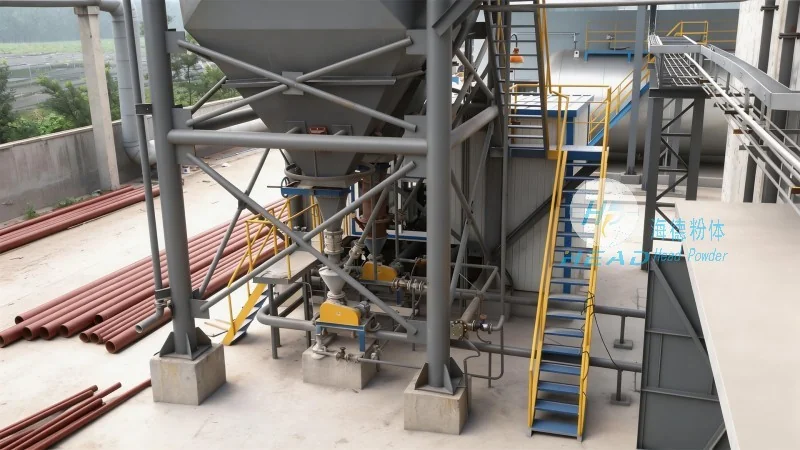
Understanding Plug Flow Powder Handling
At its essence, plug flow powder handling involves the movement of powder in a series of discrete, non-overlapping "plugs" or segments through a conveying system. Unlike other methods that may involve mixing or continuous flow, plug flow maintains the integrity of the powder particles, preventing them from becoming mixed or damaged during transit. This is achieved by using pressure or pneumatic systems that push the powder forward in a controlled manner, ensuring each plug moves as a single unit.
The Design Principles of Plug Flow Systems
The design of plug flow powder handling systems is governed by several key principles that ensure efficiency, reliability, and product integrity. These principles include:
1. **Uniform Particle Size and Density**: To maintain plug formation, the powder must have consistent particle size and density. Variations in these properties can lead to uneven flow and plug disruption. Therefore, pre-processing steps like screening and blending are often required to ensure uniformity.
2. **Appropriate Conveying Medium**: The choice of conveying medium—whether it's a pneumatic system using air or a mechanical system using screws, belts, or rollers—depends on the powder's characteristics and the desired flow rate. Pneumatic systems are ideal for fine powders and those sensitive to mechanical stress, while mechanical systems are suitable for bulkier materials.
3. **Controlled Pressure and Flow Rate**: Maintaining a consistent pressure gradient along the conveying line is critical. This ensures that the plugs move at a uniform speed without breaking apart or merging. Flow rate control devices, such as valves and regulators, are used to adjust the pressure and flow, preventing fluctuations that could disrupt the plug flow.
4. **System Sizing and Dimensioning**: The diameter and length of the conveying pipe or conveyor are carefully calculated based on the powder's flow properties, such as bulk density and angle of repose. Proper sizing ensures that the plugs can move smoothly without excessive pressure drop or friction, which could cause material degradation.
Key Components in Plug Flow Powder Handling Systems
Plug flow systems typically consist of several key components that work together to achieve efficient powder handling. These components include:
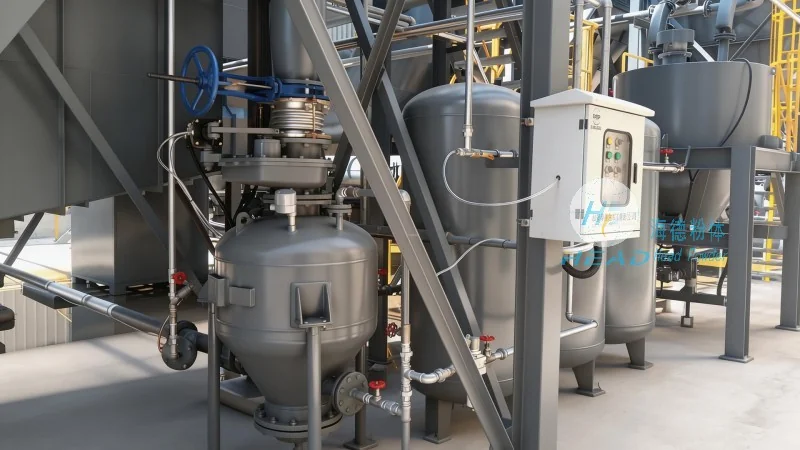
1. **Feeder or Metering Device**: This component ensures a consistent feed rate of powder into the system. It can be a rotary valve, a screw feeder, or a pneumatic feeder, depending on the application. The feeder must be designed to handle the specific powder characteristics without causing segregation or overloading.
2. **Conveying Line or Pipeline**: The pipeline or conveyor is the main channel through which the powder plugs travel. It is usually made of materials like stainless steel, plastic, or rubber, depending on the powder's chemical compatibility. The line is often equipped with pressure sensors and flow meters to monitor the system's performance.
3. **Control Valves and Regulators**: These devices regulate the pressure and flow within the system. They ensure that the plugs move at a controlled speed and prevent backflow or pressure surges that could damage the equipment or the powder.
4. **Dust Collection and Filtration Systems**: Since powder handling can generate dust, these systems are essential for maintaining a clean and safe environment. They capture and filter the dust, preventing it from being released into the air and ensuring compliance with environmental regulations.
Applications of Plug Flow Powder Handling
Plug flow powder handling is widely used in various industries due to its ability to handle sensitive materials without compromising quality. Some common applications include:
1. **Pharmaceutical Industry**: In pharmaceutical manufacturing, plug flow systems are used to transport active pharmaceutical ingredients (APIs), excipients, and finished dosage forms. The controlled environment and minimal mixing ensure that the product remains pure and free from contamination.
2. **Chemical Processing**: Chemical plants use plug flow systems to handle bulk chemicals, such as powders used in the production of fertilizers, paints, and coatings. The systems prevent chemical reactions between different powders and maintain product stability.
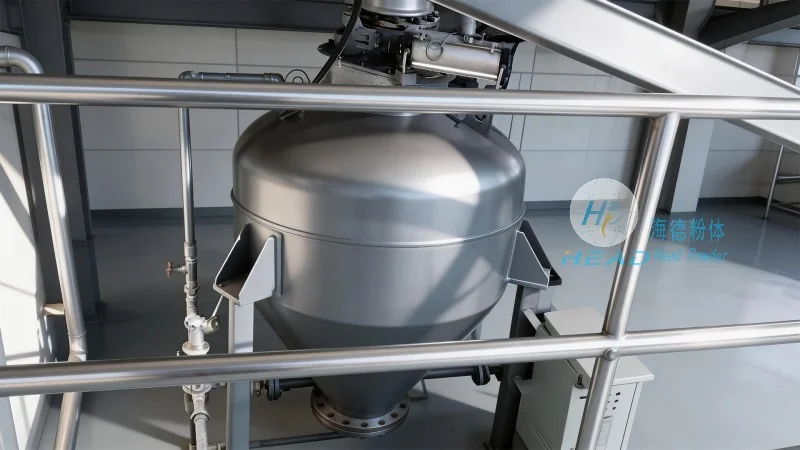
3. **Food and Beverage Industry**: The food industry utilizes plug flow systems for handling ingredients like flour, sugar, and spices. The systems ensure that the ingredients remain fresh and free from cross-contamination, meeting food safety standards.
4. **Agricultural Sector**: In agriculture, plug flow systems are used to transport fertilizers, pesticides, and other agricultural chemicals. The controlled flow prevents the degradation of these products and ensures uniform application.
Advantages of Plug Flow Powder Handling
Plug flow powder handling offers several advantages over traditional methods, making it a preferred choice in many industries:
1. **Preservation of Product Integrity**: By maintaining the powder's structure and preventing mixing, plug flow systems preserve the product's quality, color, and texture. This is particularly important for sensitive materials like pharmaceuticals and food products.
2. **Reduced Segregation and Agglomeration**: The controlled flow minimizes the risk of powder segregation, where finer particles separate from coarser ones, and agglomeration, where particles clump together. This ensures consistent product quality throughout the handling process.
3. **Energy Efficiency**: Plug flow systems are often more energy-efficient than other methods, as they require less pressure and flow rate to move the powder. This results in lower operational costs and reduced environmental impact.
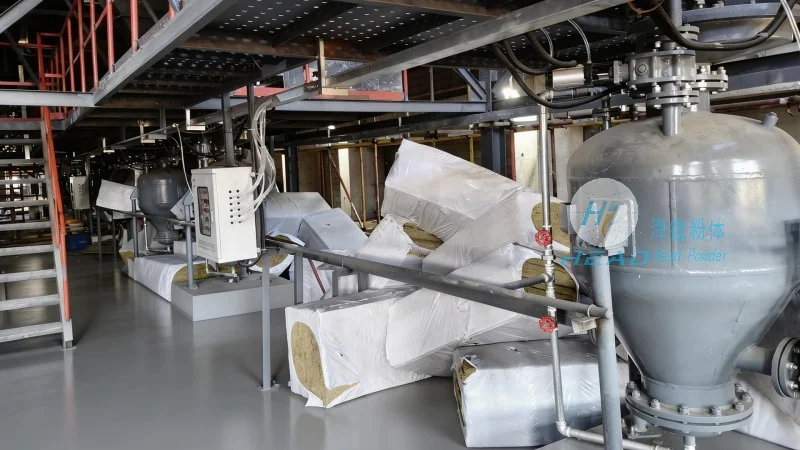
4. **Flexibility and Scalability**: Plug flow systems can be easily scaled to handle different volumes of powder, making them suitable for both small-scale and large-scale operations. They can also be adapted to handle a wide range of powder types and sizes.
Challenges and Considerations in Plug Flow Powder Handling
While plug flow powder handling offers many benefits, there are also challenges that must be addressed to ensure optimal performance:
1. **System Maintenance**: Plug flow systems require regular maintenance to prevent blockages and ensure smooth operation. This includes cleaning the conveying line, replacing worn parts, and checking for leaks or pressure drops.
2. **Material Compatibility**: The choice of materials for the conveying line and components must be compatible with the powder being handled. For example, stainless steel is commonly used for pharmaceutical applications due to its corrosion resistance and ability to maintain a sterile environment.
3. **Dust Control**: Proper dust collection and filtration are essential to prevent dust accumulation and ensure a safe working environment. This requires regular cleaning and maintenance of the dust collection systems.
4. **Cost of Implementation**: The initial cost of setting up a plug flow powder handling system can be higher than other methods, especially for large-scale operations. However, the long-term benefits, such as reduced product loss and lower operational costs, often outweigh the initial investment.
Conclusion
Plug flow powder handling is a sophisticated and effective method for transporting bulk solid materials while maintaining product integrity. By understanding the design principles and key components of these systems, industries can optimize their material handling processes and improve overall efficiency. As technology advances, plug flow systems continue to evolve, offering new solutions for the challenges faced in modern powder processing. For companies looking to enhance their powder handling capabilities, partnering with a reputable engineering firm like Shandong HeadPowder Engineering Co., Ltd. can provide the expertise and solutions needed to implement successful plug flow systems.