

Several Solutions for the Pneumatic Conveying of Heptahydrate Magnesium Sulfate
Heptahydrate magnesium sulfate, commonly known as Epsom salt, is a widely used chemical compound in various industrial applications. The efficient and reliable transportation of this material from storage to processing units is crucial for maintaining production efficiency and minimizing operational costs. This article explores several practical solutions for the pneumatic conveying of heptahydrate magnesium sulfate, highlighting key considerations and system configurations.
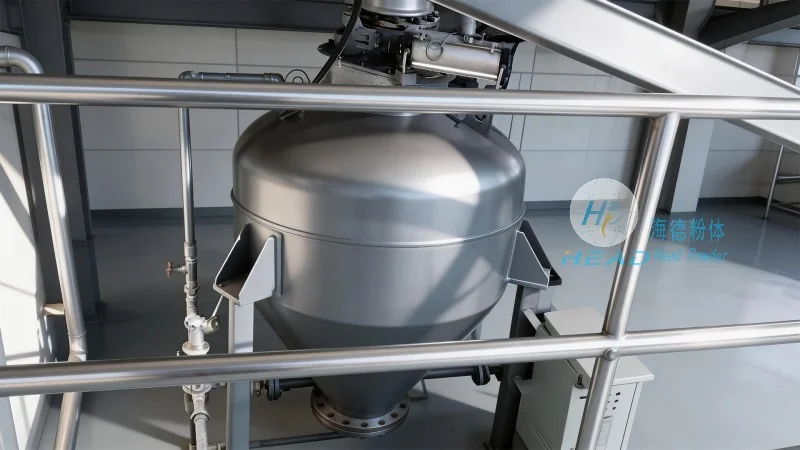
Overview of Pneumatic Conveying Systems
Pneumatic conveying is a method of transporting bulk materials through a pipeline using air or gas as the conveying medium. It offers advantages such as flexibility in layout, reduced material handling equipment, and the ability to handle materials that are difficult to transport via conventional methods. For heptahydrate magnesium sulfate, which is typically a fine or granular powder, pneumatic conveying systems are particularly effective due to their ability to handle dusty or cohesive materials without the need for mechanical components that might cause blockages or contamination.
Key Factors in Selecting a Conveying Solution
When designing a pneumatic conveying system for heptahydrate magnesium sulfate, several factors must be considered to ensure optimal performance and longevity. These include the material's physical properties (e.g., particle size, moisture content, and flowability), the required conveying distance and throughput, and the available space for installation. Additionally, the system must comply with safety regulations, particularly regarding dust explosion prevention and material containment.
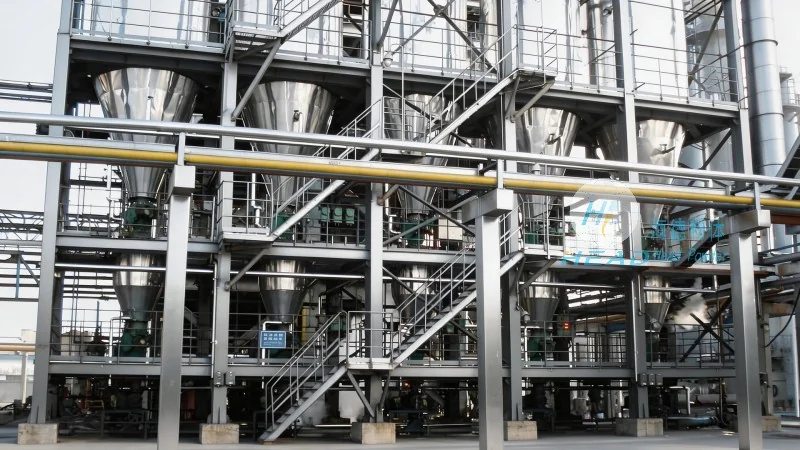
Solution 1: Positive Pressure Conveying System
Positive pressure conveying systems operate by blowing air or gas into the material stream, creating a pressure differential that propels the material through the pipeline. This method is suitable for conveying heptahydrate magnesium sulfate over moderate distances, typically up to several hundred meters. The system consists of a blower, a hopper with a feeder, and a pipeline network. The blower provides the necessary pressure to move the material, while the feeder controls the flow rate to maintain consistent pressure and prevent system overload. Positive pressure systems are generally more cost-effective for shorter conveying distances and can handle higher material loads compared to negative pressure systems.
Solution 2: Negative Pressure Conveying System
Negative pressure conveying systems, also known as vacuum systems, operate by creating a vacuum in the pipeline, which draws the material from the source. This approach is ideal for applications where the material needs to be transported from a higher elevation to a lower one or where the conveying distance is longer. The system includes a vacuum pump, a hopper with a feeder, and a collection bin at the receiving end. The vacuum pump maintains the negative pressure, and the feeder regulates the material flow to ensure smooth operation. Negative pressure systems are better suited for handling fine powders and can be more energy-efficient for longer distances, as they require less power to maintain the vacuum compared to the pressure needed in positive systems.
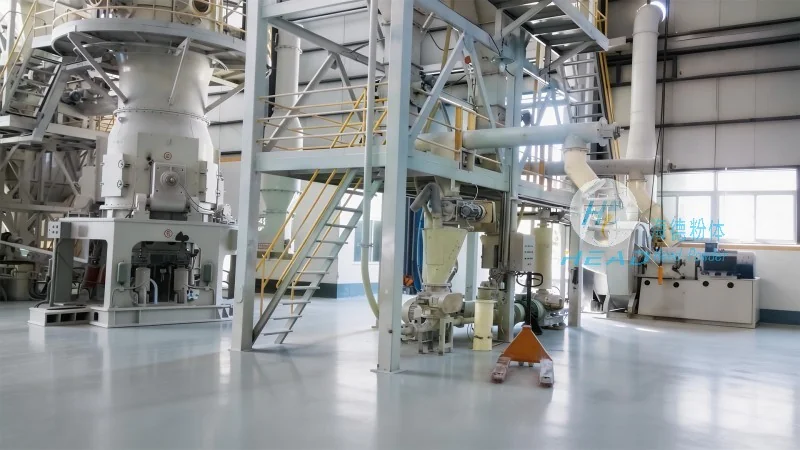
Solution 3: Mixed-Pressure Conveying System
A mixed-pressure or hybrid system combines elements of both positive and negative pressure conveying. This approach is often used for complex conveying routes that involve both elevation changes and horizontal distances. The system may start with a positive pressure section to move material from the source to an intermediate point and then switch to a negative pressure section to transport it to the final destination. This configuration allows for greater flexibility in system design and can optimize energy usage by matching the pressure requirements to the specific conveying segment. For heptahydrate magnesium sulfate, a mixed-pressure system can be particularly effective when dealing with large-scale operations that require both high throughput and extended distances.
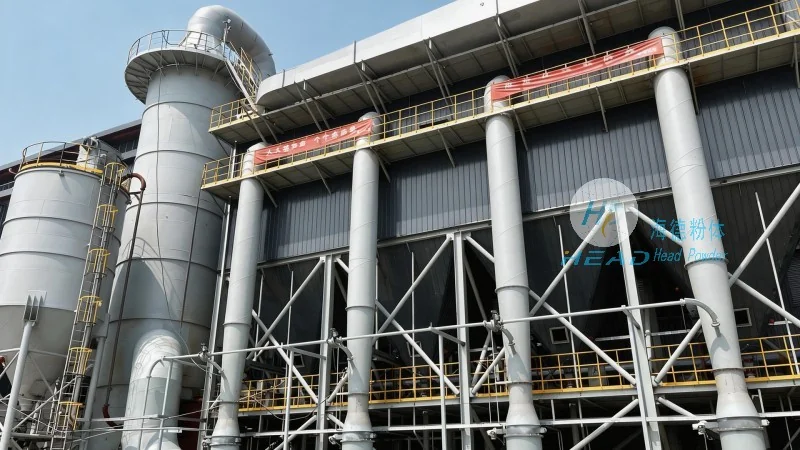
System Components and Design Considerations
Regardless of the chosen pneumatic conveying solution, several critical components and design aspects are essential for successful operation. The hopper and feeder are critical for controlling material flow and preventing blockages. For heptahydrate magnesium sulfate, which can be cohesive or have a tendency to agglomerate, a rotary valve or a vibratory feeder may be used to ensure consistent material discharge. The pipeline design must consider the material's particle size and flow characteristics to avoid excessive pressure drops or particle separation. Additionally, the system should include dust collection and filtration equipment to comply with environmental regulations and maintain air quality. Proper maintenance, such as regular cleaning of the pipeline and replacement of worn parts, is also vital to ensure long-term system reliability.
Case Study: Application in a Magnesium Sulfate Production Plant
Shandong HeadPowder Engineering Co., Ltd., a leading provider of bulk material handling solutions, has successfully implemented a pneumatic conveying system for heptahydrate magnesium sulfate in a local chemical plant. The plant required transporting the material from a storage silo to a processing unit over a distance of 500 meters with a throughput of 10 tons per hour. The solution involved a positive pressure system with a high-efficiency blower and a rotary valve feeder. The system was designed to handle the material's fine particle size and moderate moisture content, ensuring minimal degradation during transport. The implementation resulted in a 20% reduction in material handling time and a 15% decrease in operational costs compared to traditional mechanical conveying methods. This case study demonstrates the effectiveness of positive pressure systems for heptahydrate magnesium sulfate and highlights the importance of proper system design and component selection.