

What is a Steel Grit Material Pneumatic Conveying Equipment? What Are Its Design Principles?
Steel grit material pneumatic conveying equipment is a specialized system designed to transport steel grit and similar granular or fine particulate materials through an air stream. This technology offers an efficient and flexible solution for material handling in various industrial applications, particularly where traditional methods like belt conveyors or bucket elevators may be impractical due to the nature of the material or the operational environment.
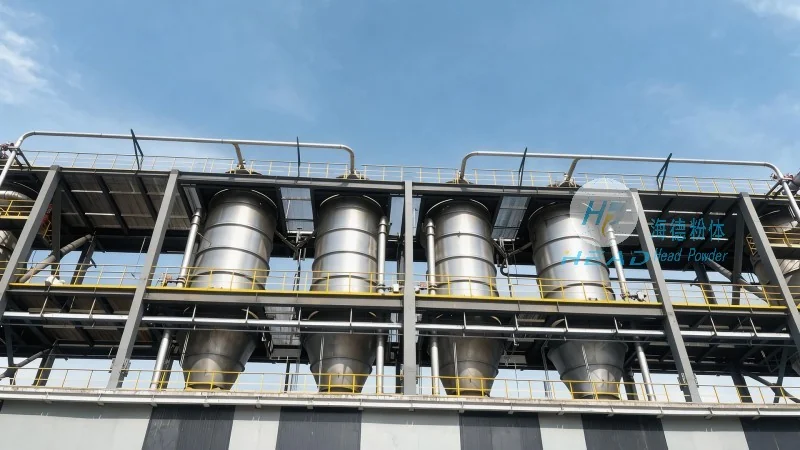
Introduction to Steel Grit Pneumatic Conveying Systems
Steel grit, often used in surface treatment processes such as shot blasting or abrasive cleaning, presents unique handling challenges. Its abrasive properties and relatively small particle size require equipment that can handle high wear resistance and maintain consistent material flow. Pneumatic conveying systems address these challenges by utilizing air pressure to move materials through a sealed pipeline network, minimizing contamination and ensuring a clean, controlled transfer process.
HeadPowder Engineering: A Leading Provider of Pneumatic Conveying Solutions
Shandong HeadPowder Engineering Co., Ltd., a prominent manufacturer based in Shandong, China, specializes in the design, development, and manufacturing of advanced pneumatic conveying equipment. With years of experience in the industry, HeadPowder has established itself as a trusted partner for businesses seeking reliable and efficient material handling solutions. The company's commitment to quality and innovation ensures that their products meet the stringent requirements of modern industrial operations.
Design Principles of Steel Grit Pneumatic Conveying Equipment
The design of a steel grit pneumatic conveying system is based on several key principles to ensure optimal performance and durability. The system typically consists of several components, each playing a critical role in the overall operation:
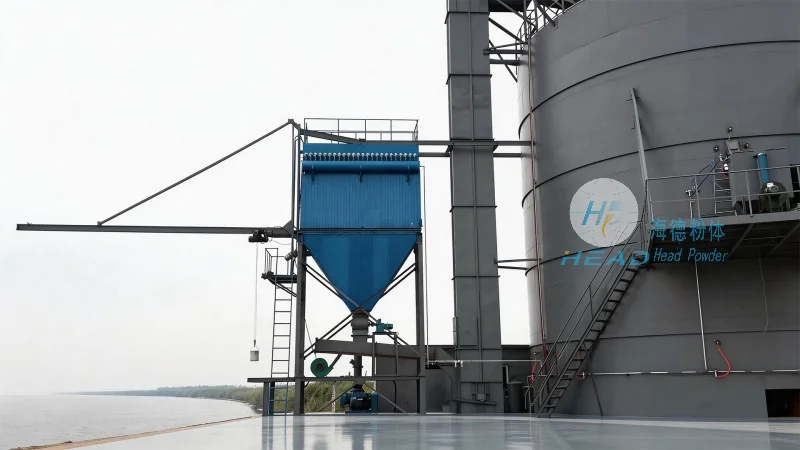
1. Material Feeding and Conditioning
The process begins with the feeding of steel grit into the system. A hopper or feeder is used to introduce the material into the conveying line. In some designs, a pre-conditioning step may be included to ensure the material is free of moisture or contaminants, which can affect the conveying efficiency and system performance. For steel grit, which is often abrasive, the feeding mechanism is designed to minimize wear and prevent material blockages.
2. Air Supply and Pressure Control
Air is supplied to the system through a blower or compressor, creating the necessary pressure differential to move the material. The pressure level is carefully controlled to match the material's properties and the system's design. Higher pressure is typically required for heavier or more abrasive materials like steel grit, as they need sufficient force to overcome gravity and friction within the pipeline.
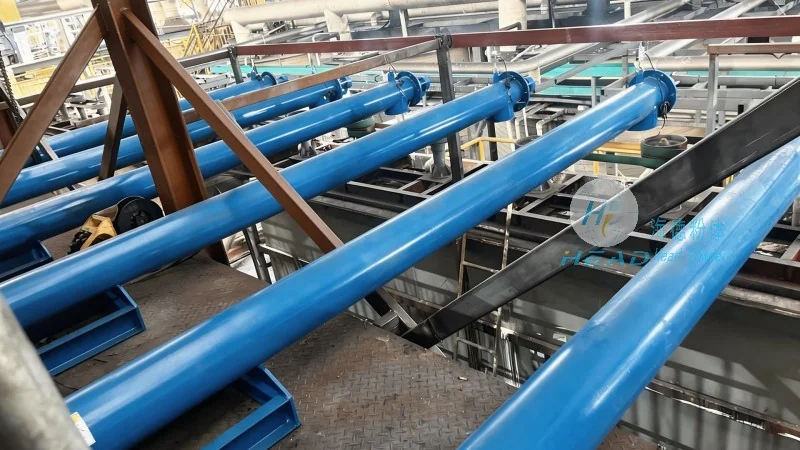
3. Conveying Pipeline and Flow Paths
The pipeline network is constructed from materials resistant to abrasion, such as stainless steel or special alloys, to withstand the wear caused by the steel grit. The design of the pipeline includes bends, elbows, and straight sections, all optimized to minimize pressure loss and maintain consistent material flow. The layout of the pipeline is critical to ensure that the material is conveyed smoothly without causing blockages or excessive wear on the system components.
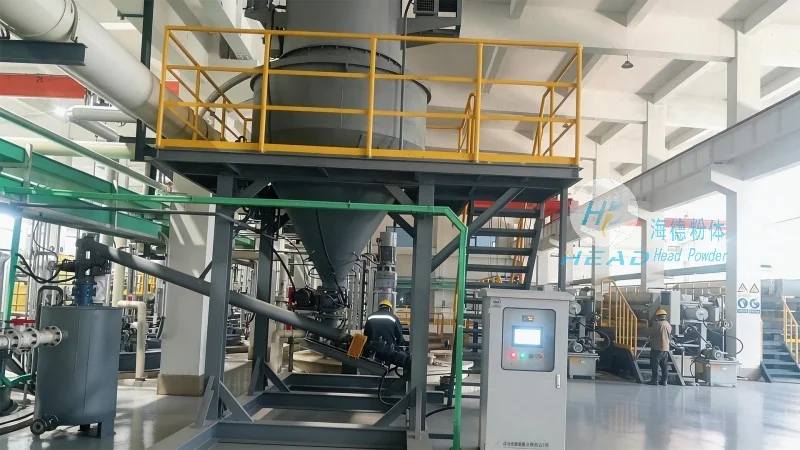
4. Material Separation and Collection
At the end of the conveying line, a separation or collection unit is used to separate the steel grit from the air stream. This is typically achieved through a cyclone separator or a baghouse filter. The separated material is collected in a hopper or storage bin, while the air is filtered and discharged to the atmosphere. The design of the separation system is crucial to ensure high efficiency in material recovery and minimal air pollution.
Advantages of Using Pneumatic Conveying for Steel Grit
Compared to traditional material handling methods, pneumatic conveying offers several advantages for steel grit applications:
First, it provides a completely enclosed system, which prevents dust and particles from contaminating the environment or the product. This is particularly important for steel grit, which can be hazardous if released into the air. Second, the system allows for flexible and versatile material handling, as the pipeline can be easily reconfigured to change the flow path or destination of the material. Third, pneumatic conveying can handle a wide range of material sizes and densities, making it suitable for various industrial processes. Finally, the system is relatively low maintenance, as there are fewer moving parts compared to mechanical conveyors, reducing downtime and operational costs.
Applications and Industries Using Steel Grit Pneumatic Conveying
Steel grit pneumatic conveying equipment is widely used in several industries, including manufacturing, construction, and surface treatment. In manufacturing, it is used to transport steel grit for shot blasting operations on metal parts, ensuring a uniform and effective surface treatment. In construction, it may be used to handle abrasive materials for concrete finishing or surface preparation. The versatility of the system makes it suitable for a variety of applications where precise material handling is required.
Maintenance and Operational Considerations
Proper maintenance is essential to ensure the long-term performance and reliability of a steel grit pneumatic conveying system. Regular inspection of the pipeline and components for signs of wear or damage is necessary. The blower or compressor should be checked for proper air pressure and flow rates, and the separation system should be cleaned regularly to maintain efficiency. Additionally, the feeding mechanism should be checked for blockages or wear, as these can affect the overall system performance. By following proper maintenance procedures, users can extend the lifespan of the equipment and minimize operational disruptions.
Conclusion
Steel grit material pneumatic conveying equipment is a highly effective solution for handling abrasive and fine particulate materials. The design principles, which include careful consideration of material feeding, air supply, pipeline design, and separation, ensure that the system operates efficiently and reliably. With the expertise of manufacturers like Shandong HeadPowder Engineering Co., Ltd., businesses can benefit from advanced pneumatic conveying systems that meet their specific material handling needs. By understanding the design principles and operational considerations, users can optimize their material handling processes and improve overall productivity.