

What is Soap Pellet Material Pneumatic Conveying Equipment? And What Are Its Design Principles?
When it comes to handling and transporting soap pellets efficiently, the choice of equipment can significantly impact production efficiency and operational costs. One of the most advanced solutions in this field is the soap pellet material pneumatic conveying equipment, a system designed to move bulk materials like soap pellets through a pipeline using air pressure. This article explores what this equipment is and the underlying design principles that make it effective for industrial applications, with a focus on the expertise of Shandong HeadPowder Engineering Co., Ltd., a leading manufacturer in the field.
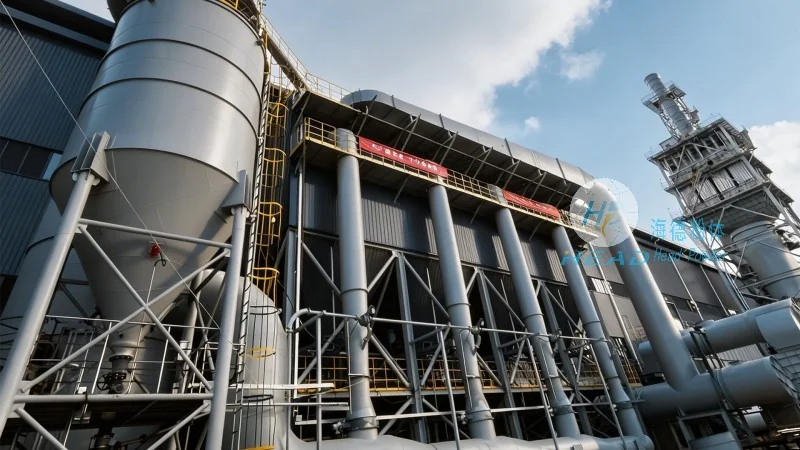
Introduction to Soap Pellet Material Pneumatic Conveying Equipment
Soap pellet material pneumatic conveying equipment is a specialized system used in the manufacturing and processing of soap products. It enables the transport of soap pellets from one location to another within a production facility or between different facilities without the need for mechanical components like belts or buckets. The system relies on the principles of fluidization and air movement to achieve this, making it an ideal choice for applications where hygiene, cleanliness, and minimal product contamination are critical. Shandong HeadPowder Engineering Co., Ltd. specializes in designing and manufacturing such equipment to meet the unique demands of the soap industry.
Key Components of the Pneumatic Conveying System
The soap pellet material pneumatic conveying equipment typically consists of several key components that work in tandem to ensure smooth operation. These include the material hopper, which holds the soap pellets; the air compressor or blower, which generates the necessary air pressure; the conveying line, which is the pipeline through which the pellets are transported; and the receiver or discharge hopper, where the pellets are deposited at the destination. Each component plays a crucial role in the overall functionality of the system. The material hopper is designed to feed the soap pellets into the system at a controlled rate, preventing overloading and ensuring consistent flow. The air compressor provides the pressure needed to move the pellets through the pipeline, with the blower option being more energy-efficient for lower pressure applications. The conveying line is usually made of stainless steel or other corrosion-resistant materials to withstand the chemical properties of soap and maintain hygiene standards. The receiver hopper collects the pellets at the end of the line and can be equipped with a discharge valve for controlled release.
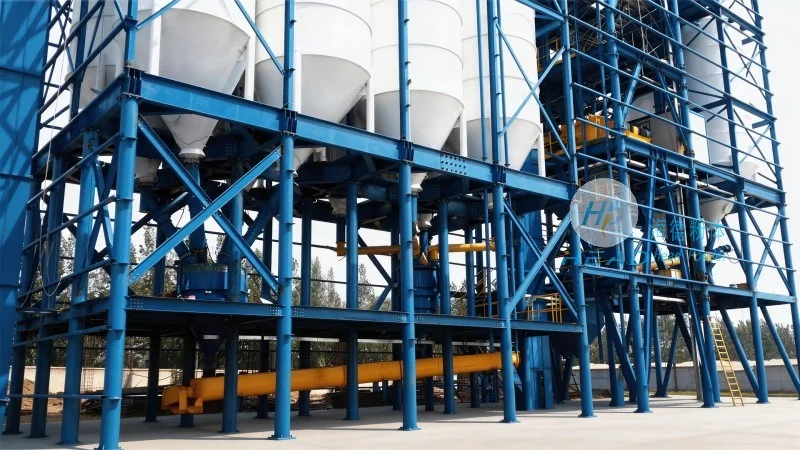
Design Principles Behind the Equipment
The design of soap pellet material pneumatic conveying equipment is based on several fundamental principles that ensure efficient and reliable operation. The first principle is the use of air as the conveying medium, which allows for the transport of solid materials without direct contact between the material and the conveying equipment. This reduces the risk of product contamination and wear and tear on the equipment. The second principle is the optimization of air velocity and pressure to achieve the desired conveying rate. Engineers carefully calculate the air velocity required to keep the soap pellets in suspension and the pressure needed to overcome friction and resistance in the pipeline. The third principle is the consideration of material properties, such as the size, shape, and density of the soap pellets, which influence the design of the hopper, conveying line, and other components. For example, larger or irregularly shaped pellets may require a different hopper design to prevent blockages or uneven flow. Shandong HeadPowder Engineering Co., Ltd. employs advanced computational fluid dynamics (CFD) and material testing to optimize the design of their equipment for specific soap pellet characteristics.
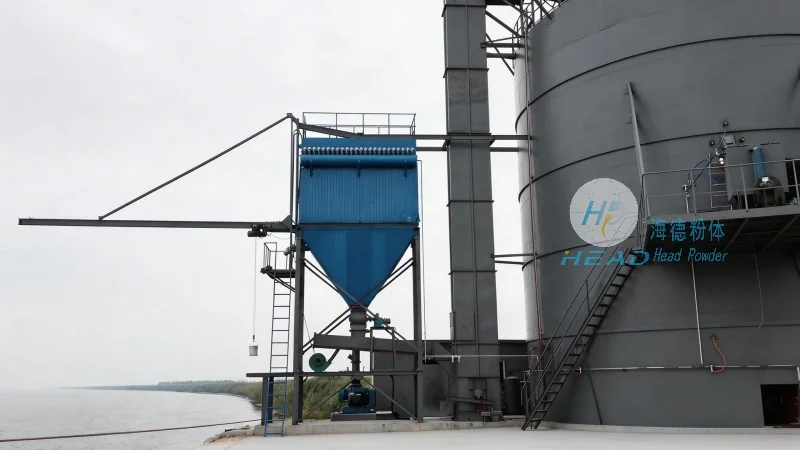
Advantages of Using Pneumatic Conveying for Soap Pellets
There are several advantages to using pneumatic conveying equipment for soap pellet transport. One of the primary benefits is the ability to maintain a clean and hygienic environment, which is essential in the soap manufacturing industry. The system operates in a closed loop, preventing dust and product particles from entering the air and contaminating other areas of the facility. This is particularly important in food and personal care product manufacturing, where product purity is paramount. Another advantage is the reduction in labor costs, as the equipment can operate continuously without the need for manual handling of the pellets. This not only saves time but also reduces the risk of workplace injuries associated with manual lifting and moving of heavy or bulky materials. Additionally, the system is highly flexible, allowing for changes in the conveying route or destination without major modifications to the equipment. This makes it suitable for dynamic production environments where product lines may change or expand. Shandong HeadPowder Engineering Co., Ltd. offers customizable solutions that can be adapted to meet the evolving needs of their clients.
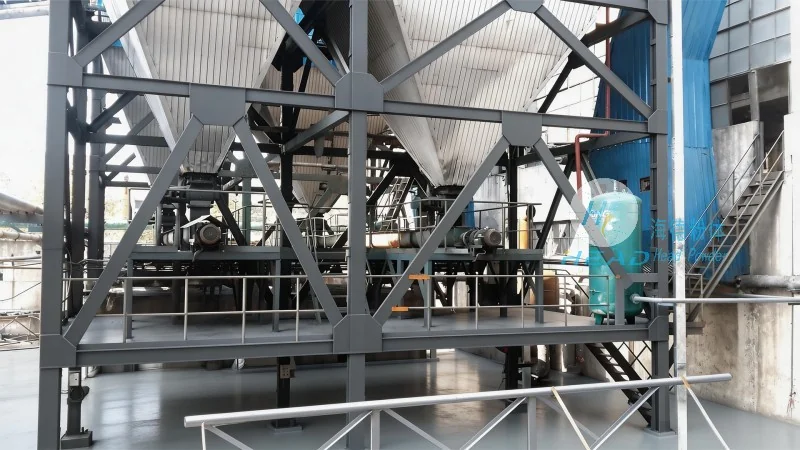
Applications in the Soap Manufacturing Industry
Soap pellet material pneumatic conveying equipment is widely used in various stages of the soap manufacturing process. In the initial stages, it can be used to transport raw soap pellets from storage to the mixing and processing areas. During the mixing process, the equipment can help distribute the pellets evenly with other ingredients, ensuring consistent product quality. For instance, when blending soap pellets with fragrance oils or colorants, the pneumatic system can deliver the pellets precisely to the mixing tank, preventing segregation and achieving uniform mixing. In the final stages, it can transport the finished soap pellets to packaging lines or storage areas. The equipment is also used in quality control processes, where it can transport samples of the pellets for testing and analysis. This allows for rapid and accurate assessment of product quality, ensuring that only compliant products reach the market. The versatility of the system makes it a valuable asset in modern soap manufacturing facilities, contributing to streamlined operations and improved product consistency.
Conclusion
Soap pellet material pneumatic conveying equipment is a sophisticated and efficient solution for transporting soap pellets in industrial settings. By leveraging the principles of pneumatic conveying, this equipment offers numerous benefits, including hygiene, reduced labor costs, and flexibility. The design of the system, with its carefully considered components and principles, ensures reliable and consistent operation, making it an essential part of modern soap manufacturing processes. For companies in the soap industry, investing in such equipment can lead to improved productivity, reduced costs, and enhanced product quality. Shandong HeadPowder Engineering Co., Ltd. specializes in providing high-quality pneumatic conveying solutions tailored to the specific needs of soap manufacturers, ensuring that their equipment meets the highest standards of performance and reliability. With their expertise and commitment to innovation, Shandong HeadPowder Engineering Co., Ltd. continues to be a trusted partner for soap manufacturers seeking to optimize their production processes and enhance their competitive edge.