

Types and Practical Applications of Pneumatic Conveying Systems for Pigment Transport
HeadPowder, a leading provider of industrial conveying solutions, specializes in pneumatic conveying systems tailored for the efficient transport of pigments. This article explores the different types of pneumatic conveying systems and their practical applications in pigment handling, highlighting the expertise and services offered by Shandong HeadPowder Engineering Co., Ltd. based in Shandong, China.
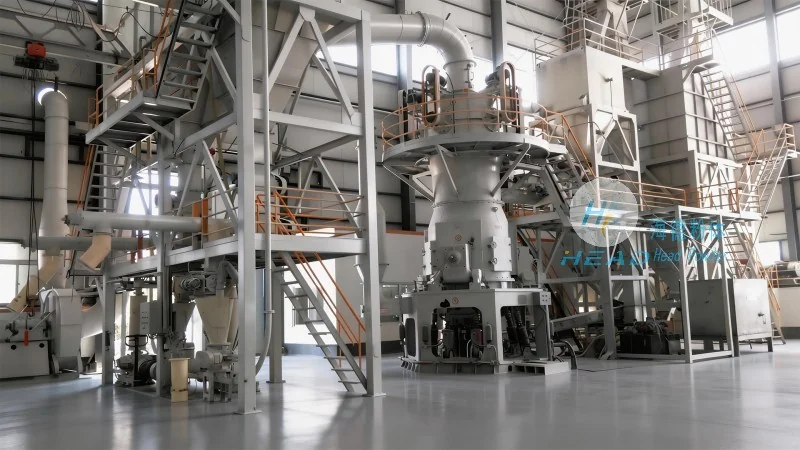
Introduction to Pneumatic Conveying Systems for Pigment Transport
Pneumatic conveying systems are widely used in the chemical and pigment industries to transport dry powders, including pigments, from one location to another. These systems utilize air or other gases to move materials through pipelines, offering advantages such as flexibility, cleanliness, and the ability to handle materials that are difficult to transport by traditional methods like belt conveyors or bucket elevators. For pigment manufacturers and processors, selecting the right type of pneumatic conveying system is crucial to ensure efficient production, minimize material loss, and maintain product quality.
Types of Pneumatic Conveying Systems
There are primarily two types of pneumatic conveying systems: dilute-phase and dense-phase. Each type has distinct characteristics and is suitable for different pigment handling scenarios.
Dilute-Phase Pneumatic Conveying
Dilute-phase systems operate by moving material in a dispersed state, with particles suspended in a high-velocity air stream. This method is typically used for short to medium distance transport and is suitable for non-abrasive or moderately abrasive pigments. The system uses high air velocity to keep particles airborne, reducing the risk of clogging and ensuring smooth material flow. Dilute-phase systems are often preferred for applications where material is transferred from a storage silo to a processing unit or for feeding equipment like mixers and extruders.
Dense-Phase Pneumatic Conveying
Dense-phase systems, also known as low-pressure or positive-displacement systems, transport material in a concentrated state, where particles are carried in a slurry-like mixture with a lower air velocity. This method is ideal for handling abrasive or high-value pigments, as it minimizes material degradation and reduces wear on equipment. Dense-phase systems are commonly used for long-distance transport and for transferring materials that require gentle handling to avoid agglomeration or damage.
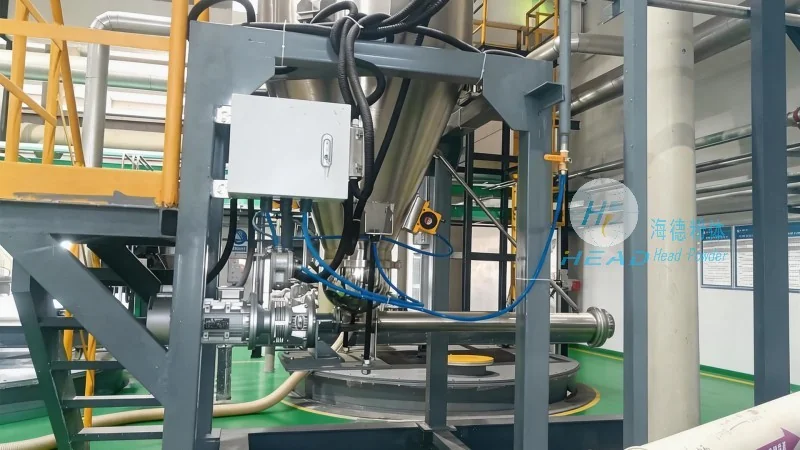
Practical Applications of Pneumatic Conveying Systems
Shandong HeadPowder Engineering Co., Ltd. has extensive experience in implementing pneumatic conveying systems for various pigment applications. The following are some practical examples of how these systems are utilized in real-world scenarios:
1. Pigment Transfer from Bulk Storage to Production Lines
Many pigment manufacturers store raw materials in large silos. Pneumatic conveying systems enable the efficient transfer of pigments from these silos to production lines without the need for manual handling or intermediate storage. This not only improves operational efficiency but also reduces the risk of contamination and material loss. The systems can be designed to handle different pigment types, including organic and inorganic pigments, with minimal maintenance requirements.
2. Feeding Pigments into Mixing and Compounding Equipment
In the production of pigmented coatings, plastics, and inks, precise feeding of pigments is critical to achieving consistent color and quality. Pneumatic conveying systems provide a reliable and controlled method for feeding pigments into mixers, extruders, and other processing equipment. The systems can be integrated with feeding controls to ensure accurate dosing, which is essential for maintaining product specifications. This application is particularly important for high-value pigments where color consistency is a key factor in the final product.
3. Material Recovery and Recycling
During the manufacturing process, some pigments may be lost as dust or fine particles. Pneumatic conveying systems can be used for material recovery, capturing these fine particles and returning them to the production line. This not only reduces waste but also improves overall material efficiency. The systems are designed to handle fine powders and can be integrated with filtration and separation equipment to ensure clean material is returned to the process.
Benefits of Using Pneumatic Conveying Systems for Pigments
Implementing pneumatic conveying systems for pigment transport offers several benefits that enhance operational performance and product quality. These benefits include:
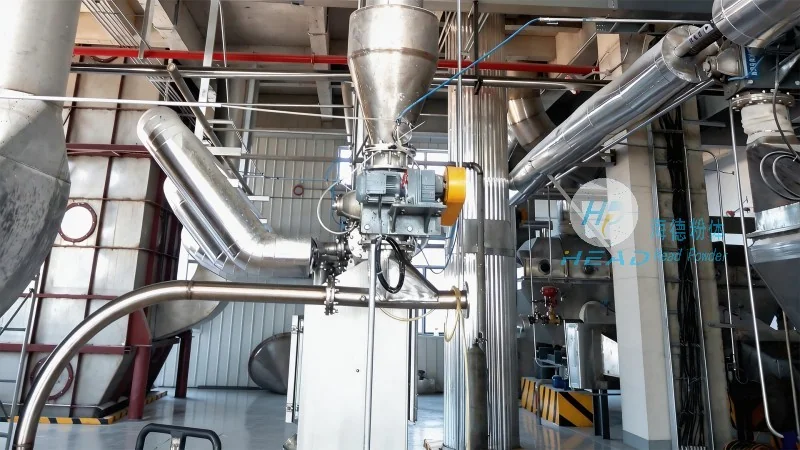
1. Enhanced Safety and Cleanliness
Pneumatic systems are enclosed, which prevents dust from entering the workplace and reduces the risk of inhalation by workers. This improves workplace safety and compliance with environmental regulations. Additionally, the enclosed system minimizes the risk of cross-contamination between different pigment batches, ensuring product purity.
2. Improved Material Handling Efficiency
Compared to traditional methods, pneumatic conveying systems can handle a wide range of pigment types and particle sizes, including fine powders and coarse granules. The systems are flexible and can be easily reconfigured to accommodate changes in production requirements. This adaptability helps manufacturers to optimize their production processes and reduce downtime.
3. Reduced Maintenance and Operating Costs
While the initial investment in a pneumatic conveying system may be higher than other methods, the long-term benefits include lower maintenance costs and reduced operating expenses. The systems are designed for durability and have fewer moving parts compared to mechanical conveyors, resulting in lower maintenance requirements. Additionally, the enclosed design reduces the need for cleaning and maintenance associated with dust accumulation.
Conclusion
Shandong HeadPowder Engineering Co., Ltd. provides comprehensive solutions for pneumatic conveying systems tailored to the specific needs of pigment manufacturers. By understanding the different types of systems and their practical applications, companies can select the most suitable solution to enhance their production efficiency, product quality, and operational safety. With a focus on innovation and customer satisfaction, HeadPowder continues to be a trusted partner in the industrial conveying industry, serving clients in China and beyond.