

Types and Practical Applications of Pneumatic Conveying Systems for Soybean Meal Transport
HeadPowder, a leading provider in the field of material handling solutions, specializes in the design, manufacturing, and implementation of advanced pneumatic conveying systems tailored for industries such as the animal feed sector. This article explores the various types of pneumatic conveying systems used in the transport of soybean meal, along with their practical applications and benefits.
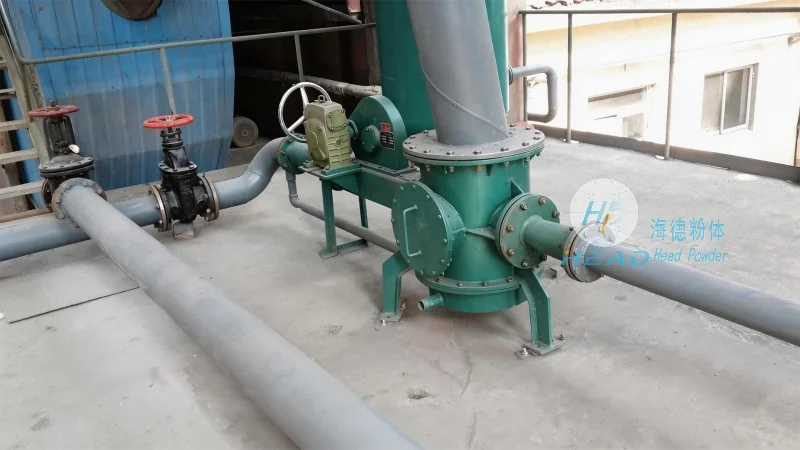
Pneumatic Conveying Systems: An Overview
Pneumatic conveying systems are mechanical systems that use air or other gases to transport bulk materials like soybean meal from one location to another. These systems are widely adopted in the food processing and animal feed industries due to their efficiency, flexibility, and ability to handle delicate materials without causing damage. The primary goal of such systems is to ensure the safe and effective movement of soybean meal, which is a critical component in animal feed formulations.
Types of Pneumatic Conveying Systems for Soybean Meal
There are several types of pneumatic conveying systems commonly used for soybean meal transport, each with distinct characteristics and applications. The selection of a specific system depends on factors such as the material properties, distance of transport, and required flow rate. The main types include:
1. Dilute Phase Pneumatic Conveying
Dilute phase systems are the most common type for soybean meal transport. In this system, the material is suspended in a high-velocity air stream, typically at velocities ranging from 20 to 30 meters per second. The air and material mixture is conveyed through a pipeline, and the material is separated from the air at the destination using a cyclone or other separation equipment. This method is suitable for short to medium distances and offers high capacity and low pressure drop. HeadPowder specializes in designing dilute phase systems that ensure efficient and gentle handling of soybean meal, minimizing product degradation and ensuring consistent quality.
2. Dense Phase Pneumatic Conveying
Dense phase systems operate at lower velocities and higher material concentrations compared to dilute phase systems. The material is conveyed in a slug or plug flow, where the material particles are closely packed together, reducing the risk of product degradation. This system is ideal for transporting sensitive materials over longer distances or when high pressure is required at the destination. Dense phase conveying is particularly useful for applications where the material needs to be delivered at a controlled rate and with minimal segregation. HeadPowder's dense phase systems are engineered to provide reliable and efficient transport of soybean meal, ensuring that the material reaches its destination in optimal condition.
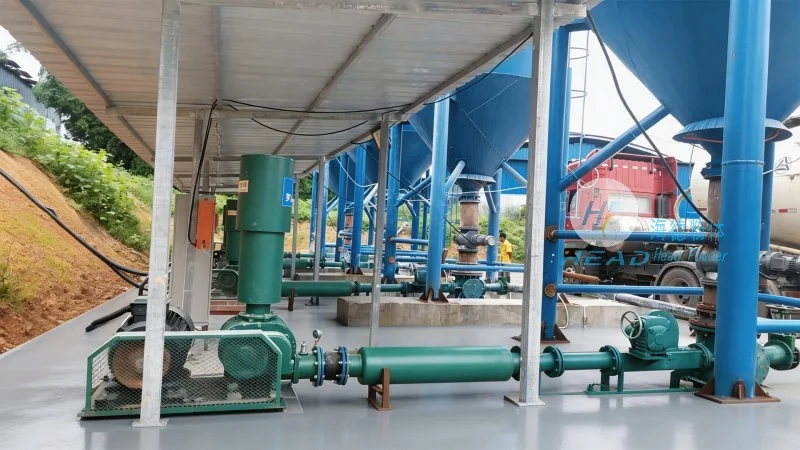
3. Pressure and Vacuum Conveying Systems
Pressure and vacuum conveying systems are versatile and can be used for both short and long-distance transport. Pressure systems use compressed air to push the material through the pipeline, while vacuum systems use a vacuum to pull the material. These systems are suitable for a wide range of applications, including the transport of soybean meal from storage silos to processing facilities or from one processing stage to another. HeadPowder offers both pressure and vacuum conveying solutions that are tailored to the specific needs of soybean meal transport, ensuring optimal performance and efficiency.
Practical Applications of Pneumatic Conveying Systems in Soybean Meal Transport
Pneumatic conveying systems are widely used in various stages of soybean meal processing and handling. Some of the key practical applications include:
1. From Storage Silos to Processing Plants
One of the primary applications of pneumatic conveying systems is the transport of soybean meal from storage silos to processing plants. This involves moving large quantities of soybean meal from bulk storage to the feed mill or processing facility. HeadPowder's systems are designed to handle high volumes of soybean meal efficiently, ensuring that the material is delivered to the processing plant in a timely manner. The systems are equipped with features such as automatic control, which allows for seamless operation and minimal downtime.
2. Between Processing Stages
Pneumatic conveying systems are also used to transport soybean meal between different processing stages, such as from grinding to mixing or from mixing to packaging. This allows for a continuous and automated production process, reducing the need for manual handling and increasing overall efficiency. HeadPowder's systems are designed to integrate seamlessly with existing processing equipment, ensuring smooth operation and minimal disruption to the production line.
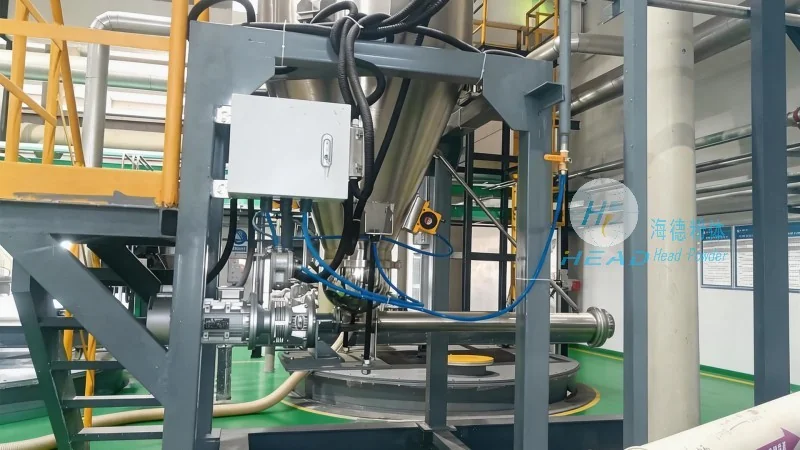
3. To Packaging and Distribution Centers
After processing, soybean meal is often transported to packaging and distribution centers. Pneumatic conveying systems are used to move the finished product from the processing plant to the packaging facility, where it is then packaged and distributed to customers. HeadPowder's systems are designed to handle the final stages of soybean meal transport, ensuring that the product is delivered in optimal condition and ready for market.
Benefits of Using Pneumatic Conveying Systems for Soybean Meal
Implementing pneumatic conveying systems for soybean meal transport offers several benefits, including:
1. Improved Efficiency and Productivity
Pneumatic conveying systems are highly efficient and can transport large quantities of soybean meal quickly and reliably. This leads to increased productivity and reduced downtime in the processing plant. HeadPowder's systems are designed to optimize the flow of material, ensuring that the processing plant operates at its maximum capacity.
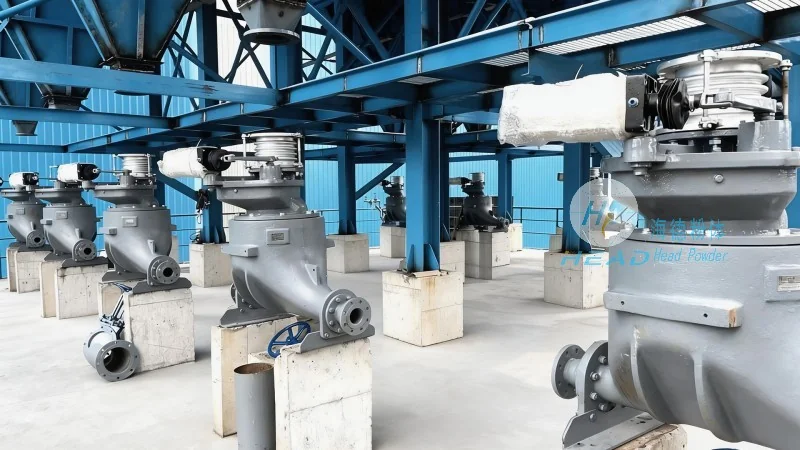
2. Gentle Handling and Minimal Product Degradation
Soybean meal is a delicate material that can be easily damaged during handling. Pneumatic conveying systems use air to transport the material, which minimizes the risk of product degradation and ensures that the final product maintains its quality and nutritional value. HeadPowder's systems are engineered to handle soybean meal gently, preserving its integrity and ensuring that the product meets the highest quality standards.
3. Reduced Labor Costs and Manual Handling
Manual handling of soybean meal can be labor-intensive and dangerous. Pneumatic conveying systems eliminate the need for manual handling, reducing labor costs and improving workplace safety. HeadPowder's systems are designed to automate the transport process, reducing the need for human intervention and minimizing the risk of accidents.
4. Versatility and Adaptability
Pneumatic conveying systems are versatile and can be adapted to various applications and distances. They can be used for short or long-distance transport, and can handle different material properties and flow rates. HeadPowder's systems are designed to be flexible and adaptable, ensuring that they can meet the specific needs of each customer.
Conclusion
Pneumatic conveying systems are an essential component in the efficient and effective transport of soybean meal. HeadPowder, with its expertise in material handling solutions, provides high-quality pneumatic conveying systems that are tailored to the specific needs of the soybean meal industry. By implementing these systems, companies can improve their productivity, reduce costs, and ensure the quality of their products. The practical applications and benefits of pneumatic conveying systems make them a preferred choice for soybean meal transport in the modern industry.