

What is Rice Husk Powder Conveying? Understanding Its Design Principles
Rice husk, a byproduct of rice processing, is often handled as a fine powder in industrial applications. The process of transporting this material efficiently and safely is known as rice husk powder conveying. This article explores the fundamental aspects of rice husk powder conveying systems, focusing on their design principles and operational considerations.
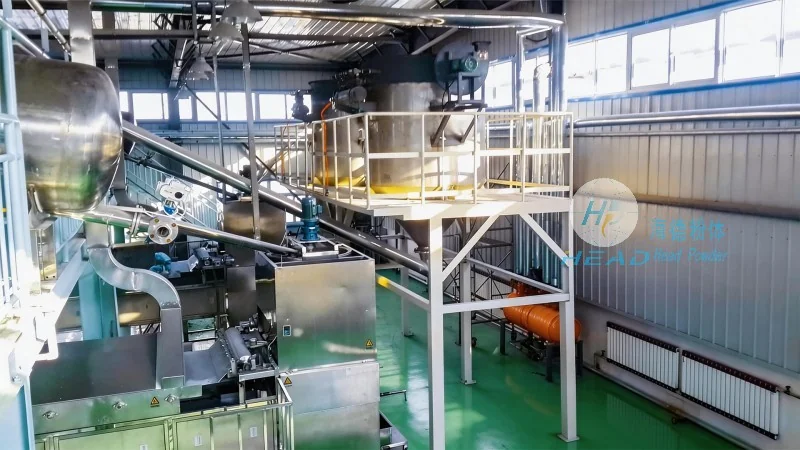
Overview of Rice Husk Powder Conveying Systems
Rice husk powder conveying involves the movement of fine, lightweight particles from one location to another within industrial facilities. These systems are critical in processes such as biomass energy production, where rice husk is used as a fuel source. The primary goal of such systems is to ensure the consistent and reliable transport of the powder, minimizing loss and optimizing material handling efficiency.
Key Design Principles for Efficient Conveying
The design of rice husk powder conveying systems is guided by several key principles to address the unique characteristics of rice husk powder. These include the need for low pressure drop, effective separation of air and powder, and the prevention of material buildup or clogging. Engineers must consider factors like particle size distribution, moisture content, and the density of the material to select appropriate conveying methods and equipment.
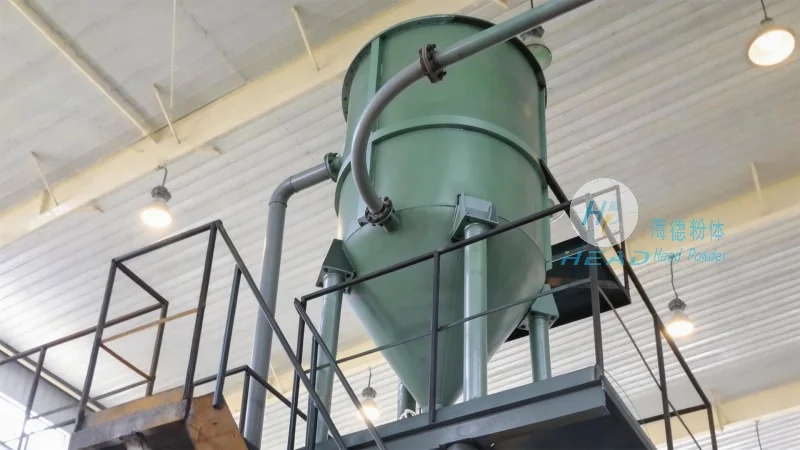
One of the most common design approaches is the use of pneumatic conveying systems, which utilize air to transport the powder. These systems can be categorized into pressure and vacuum types, each with specific applications based on the distance and volume of material to be moved. The selection of the right type of pneumatic conveyor depends on the system's requirements, including the need for gentle handling to prevent particle degradation or the ability to handle abrasive materials.
Components and Operational Mechanisms
Rice husk powder conveying systems typically consist of several key components, including feeders, conveyors, and separation devices. The feeder is responsible for controlling the flow rate of the powder into the system, ensuring a steady supply to the conveyor. The conveyor itself, whether pneumatic or mechanical, moves the material through the system. Separation devices, such as cyclones or filters, are used to separate the powder from the air stream, allowing the powder to be collected at the destination and the air to be discharged or recirculated.
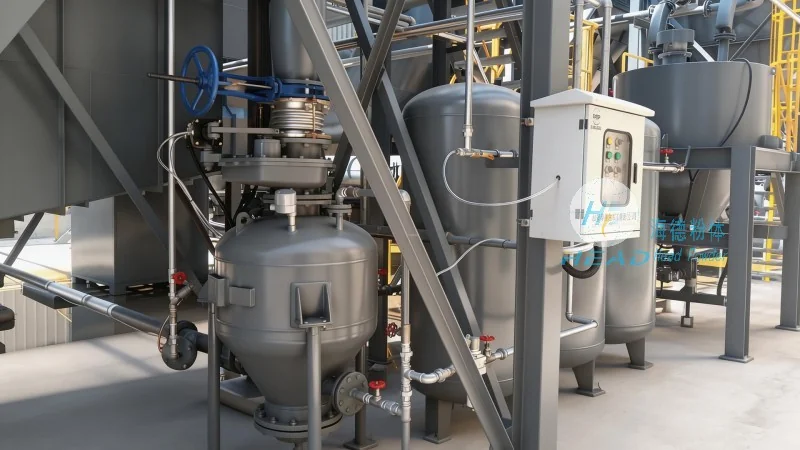
The operational mechanism of these systems involves the introduction of the powder into the conveying line, often with the aid of a feeder. Air is then introduced to create a flow that carries the powder particles. In pneumatic systems, the air pressure or vacuum level determines the speed and distance the material can be transported. Proper design ensures that the air velocity is sufficient to keep the powder particles suspended but not so high as to cause excessive wear on the system components.
Challenges and Solutions in Rice Husk Powder Conveying
Conveying rice husk powder presents several challenges due to its properties. The material is often lightweight and can be prone to dust formation, which may affect air quality and system performance. Additionally, the fine particles can cause clogging in pipes or equipment, leading to system downtime. To address these issues, engineers employ various solutions, such as using flexible hoses or flexible connectors to accommodate particle movement, and incorporating cleaning mechanisms to prevent buildup.
Another challenge is the potential for particle degradation during transport, which can affect the quality of the final product. To mitigate this, systems are designed with minimal impact on the particles, using smooth surfaces and gentle handling methods. Furthermore, the moisture content of the rice husk can affect its flow characteristics, requiring adjustments in the conveying system to maintain optimal performance.
Applications and Industry Impact
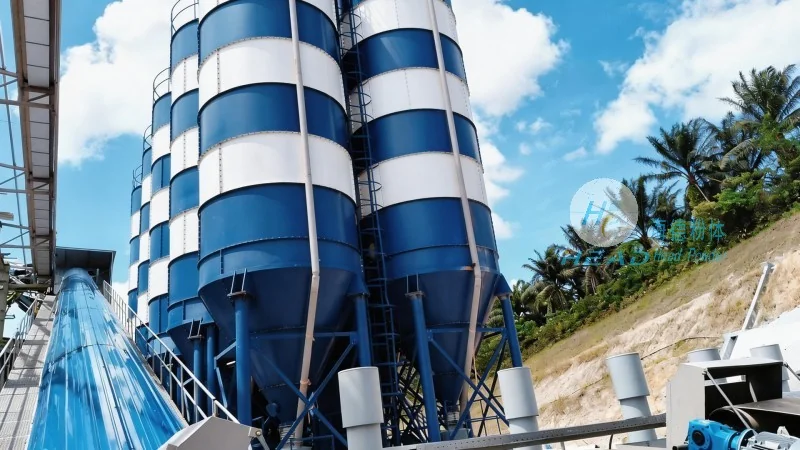
Rice husk powder conveying systems are widely used in industries that rely on biomass as a renewable energy source. These systems are essential in power plants that burn rice husk to generate electricity, as well as in the production of biofuels and other value-added products. By ensuring efficient and reliable transport of the material, these systems contribute to the overall productivity and sustainability of the operations.
The design principles discussed above are crucial for optimizing the performance of rice husk powder conveying systems. By addressing the unique challenges of handling fine, lightweight particles, engineers can develop systems that are both efficient and durable, supporting the growth of industries that utilize rice husk as a valuable resource.