

What is Activated Carbon Material Pneumatic Conveying Equipment? What Are Its Design Principles?
Activated carbon material pneumatic conveying equipment is a specialized system designed for the efficient and reliable transport of activated carbon particles in industrial applications. This equipment plays a crucial role in various sectors, including environmental protection, chemical processing, and water treatment, where the handling of fine or abrasive materials requires advanced technology to ensure safety, efficiency, and minimal product degradation.
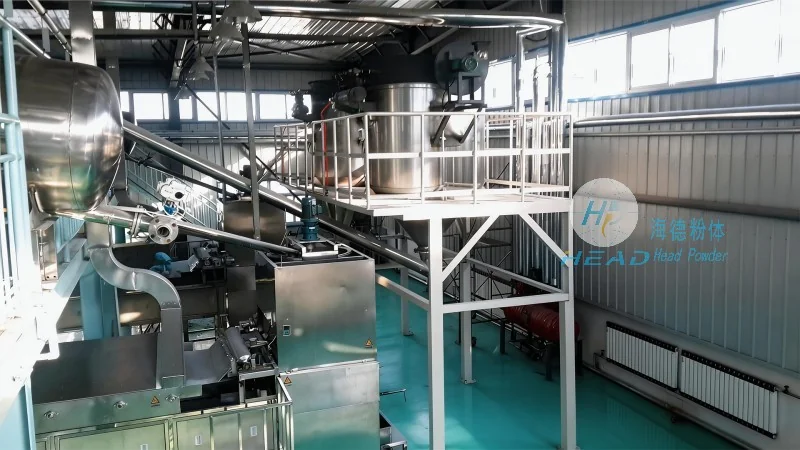
Key Components of the Pneumatic Conveying System
The core components of an activated carbon material pneumatic conveying system typically include a hopper for material storage, a feeder to control the flow rate, a conveying line (often equipped with bends and straight sections), a separator to separate the material from the air stream, and a dust collector for air purification. Each component is engineered to work in harmony, ensuring the smooth and continuous movement of activated carbon from the source to the destination. The hopper is designed with a sloped bottom to facilitate material discharge, while the feeder, such as a rotary valve or a screw feeder, regulates the flow based on the required conveying rate. The conveying line may incorporate features like pulse jets or air locks to maintain consistent pressure and prevent blockages, which are critical for handling the fine, lightweight nature of activated carbon.
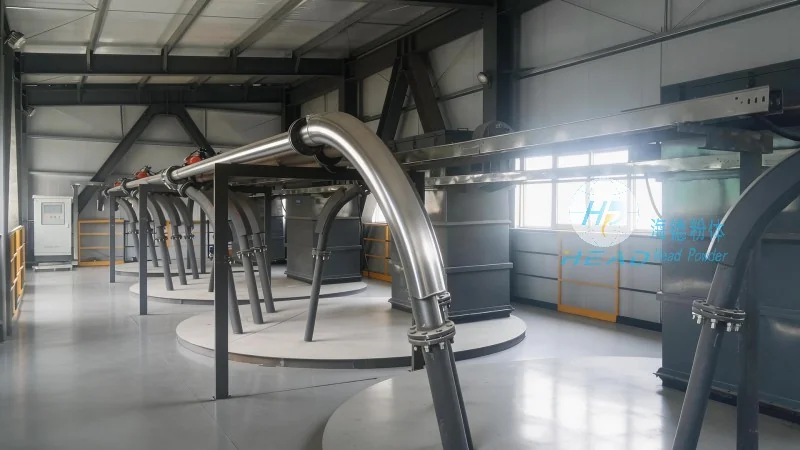
Design Principles and Operational Mechanisms
The design principles of activated carbon material pneumatic conveying equipment are centered on optimizing the balance between air velocity, material flow, and system pressure. The primary operational mechanism involves creating a high-velocity air stream that lifts and propels the activated carbon particles through the conveying line. This process, known as dilute-phase or dense-phase conveying, depends on the specific characteristics of the material and the application requirements. For activated carbon, which is often fine and prone to dusting, dilute-phase conveying is commonly employed, where the material is suspended in the air stream at a low concentration. The design must consider factors such as the particle size distribution, moisture content, and bulk density of the activated carbon to ensure optimal performance. Additionally, the system incorporates pressure control mechanisms, such as regulators and valves, to maintain consistent pressure levels and prevent over-pressurization, which could lead to equipment damage or material spillage.
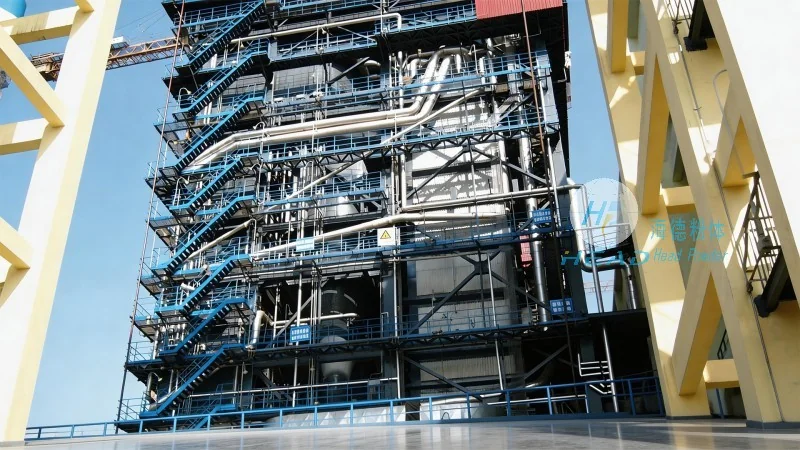
Advantages of Using Pneumatic Conveying for Activated Carbon
Implementing pneumatic conveying systems for activated carbon offers several advantages over traditional methods like belt conveyors or manual handling. Firstly, it eliminates the need for physical contact between the material and the equipment, reducing the risk of contamination and product degradation. Activated carbon is often used in applications where purity is paramount, such as in water treatment or air purification, and pneumatic conveying minimizes the exposure to external contaminants. Secondly, the system provides a closed-loop operation, which enhances safety by containing dust and preventing environmental pollution. This is particularly important in industrial settings where activated carbon dust can be hazardous to workers and the environment. Thirdly, pneumatic conveying allows for flexible and scalable solutions, as the system can be easily adjusted to handle varying volumes of material. The modular design enables expansion or reconfiguration to meet changing production needs, making it a cost-effective choice for businesses in the activated carbon industry.
Applications and Industry Impact
Activated carbon material pneumatic conveying equipment is widely used in various industrial applications where the efficient transport of activated carbon is essential. In water treatment plants, for example, the equipment is used to convey activated carbon from storage silos to filtration units, ensuring a consistent supply of high-quality carbon for adsorption processes. Similarly, in chemical processing facilities, the system facilitates the transfer of activated carbon from production lines to storage areas or to downstream processing equipment. The equipment also plays a role in environmental remediation projects, where activated carbon is used for soil and groundwater treatment. By enabling the reliable and safe transport of activated carbon, these systems contribute to the overall efficiency and effectiveness of industrial operations, supporting the sustainability and environmental compliance of businesses in the sector.
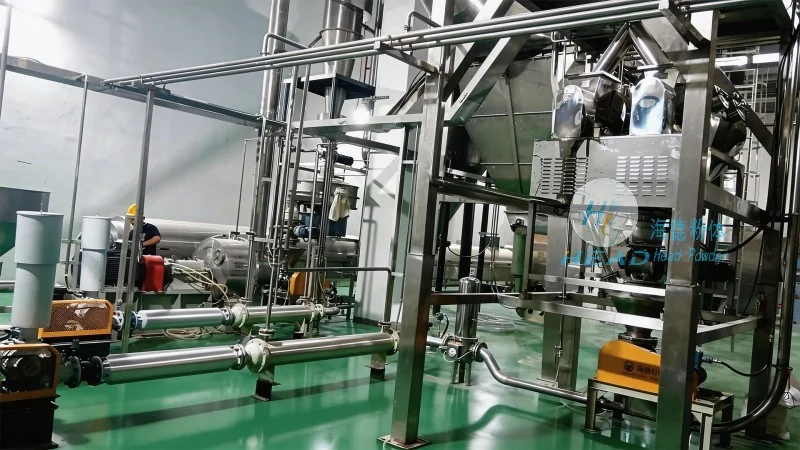
Conclusion and Company Overview
Activated carbon material pneumatic conveying equipment, with its robust design and operational principles, is a vital component in modern industrial processes. The system's ability to handle fine, abrasive materials like activated carbon efficiently and safely makes it an indispensable tool for industries relying on activated carbon for purification and treatment applications. As a leading provider in this field, Shandong HeadPowder Engineering Co., Ltd. specializes in designing and manufacturing customized pneumatic conveying solutions tailored to the specific needs of clients. With a focus on quality, innovation, and customer satisfaction, the company ensures that its equipment meets the highest standards of performance and reliability. Based in Shandong, China, HeadPowder leverages its expertise and experience to deliver solutions that enhance operational efficiency and support the growth of businesses in the activated carbon industry.