

What is a Sulfur Material Pneumatic Conveying Equipment? And What Are Its Design Principles?
Sulfur is a widely used chemical raw material in various industries, including chemical manufacturing, pharmaceuticals, and agriculture. The efficient and safe transportation of sulfur, especially in bulk quantities, is crucial for industrial operations. Pneumatic conveying equipment offers a reliable solution for handling sulfur materials, ensuring minimal dust generation, reduced risk of contamination, and improved process efficiency. This article explores the fundamental aspects of sulfur material pneumatic conveying equipment, focusing on its design principles and practical applications.
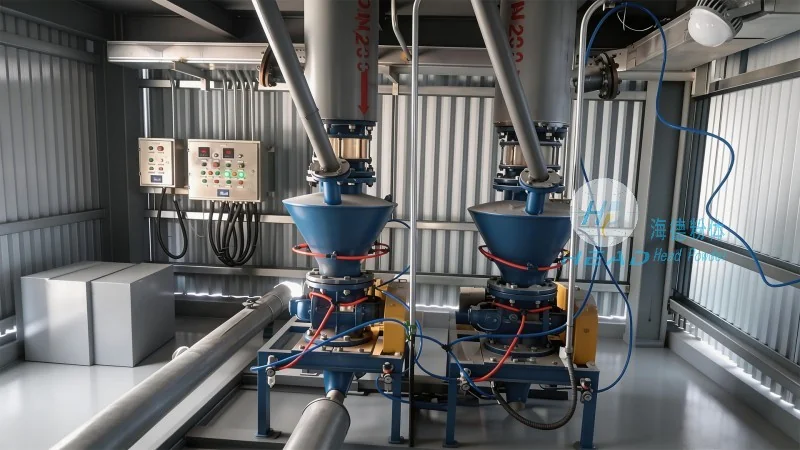
HeadPowder: A Leading Provider of Pneumatic Conveying Solutions
Shandong HeadPowder Engineering Co., Ltd., based in China, is a prominent manufacturer specializing in industrial conveying systems. With years of experience in the field, HeadPowder has developed advanced pneumatic conveying technologies tailored to meet the specific needs of sulfur handling applications. The company's commitment to quality, innovation, and customer satisfaction has established it as a trusted partner for industries relying on sulfur processing and transportation.
Key Design Principles of Sulfur Material Pneumatic Conveying Systems
The design of sulfur material pneumatic conveying equipment is governed by several critical principles to ensure optimal performance and safety. Firstly, the system must be capable of handling the physical properties of sulfur, such as its density, flowability, and potential dustiness. Sulfur can vary in form—solid lumps, granules, or powder—and the conveying system must accommodate these different states. The design typically involves a combination of positive and negative pressure zones to control the flow of material through the pipeline.
Secondly, the equipment must address the challenges associated with sulfur's chemical characteristics. Sulfur is a reactive substance, and the conveying system must be constructed from materials that are resistant to corrosion and chemical attack. Stainless steel or specialized alloys are commonly used for the construction of pipelines, hoppers, and other components to prevent degradation over time. Additionally, the system must incorporate proper sealing mechanisms to prevent leaks and maintain the integrity of the sulfur material during transport.
Thirdly, the design emphasizes energy efficiency and operational reliability. Pneumatic conveying systems rely on compressed air to move materials, and the efficiency of the system is critical for cost-effectiveness. The design includes features like airlocks, rotary valves, and cyclone separators to regulate the flow and minimize energy consumption. Proper maintenance and monitoring of the system are also integral to ensuring long-term reliability and preventing downtime.
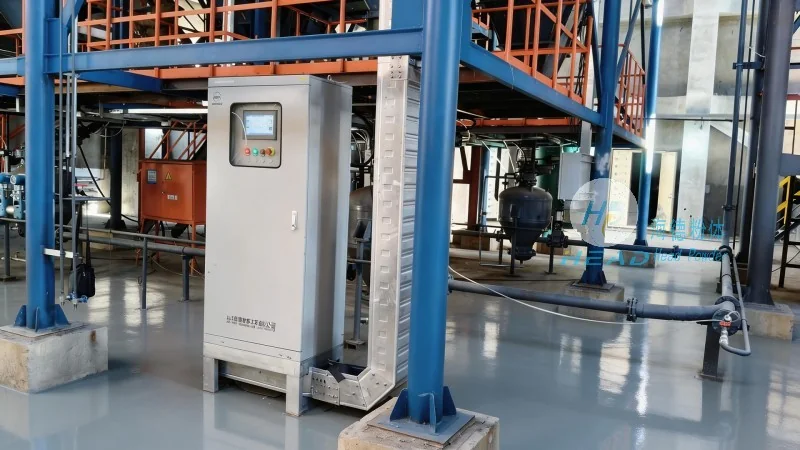
Components and Working Mechanism of Sulfur Pneumatic Conveying Equipment
A typical sulfur material pneumatic conveying system consists of several key components that work in coordination to transport the material. The main components include a hopper for material storage, a feeder to control the flow rate, a compressor or air supply system to generate the necessary air pressure, a pipeline network for material transport, and a receiver or discharge unit for the material.
The working mechanism involves the following steps: First, sulfur material is fed into the hopper from a storage silo or bulk container. The feeder then meters the material into the pipeline at a controlled rate. Simultaneously, compressed air is introduced into the pipeline, creating a flow that lifts and transports the sulfur particles. The air-sulfur mixture travels through the pipeline to the discharge point, where a cyclone separator or other separation device separates the material from the air. The separated sulfur is collected in the receiver, while the air is either recirculated or vented to the atmosphere, depending on the system design.
Key components such as rotary airlocks and check valves are used to prevent backflow and ensure smooth operation. The hopper design is crucial for maintaining a consistent material level and preventing blockages. The pipeline diameter and length are carefully selected based on the material's flow characteristics and the required conveying capacity. Proper sealing of all joints and connections is essential to avoid air leakage, which can reduce system efficiency and increase energy costs.
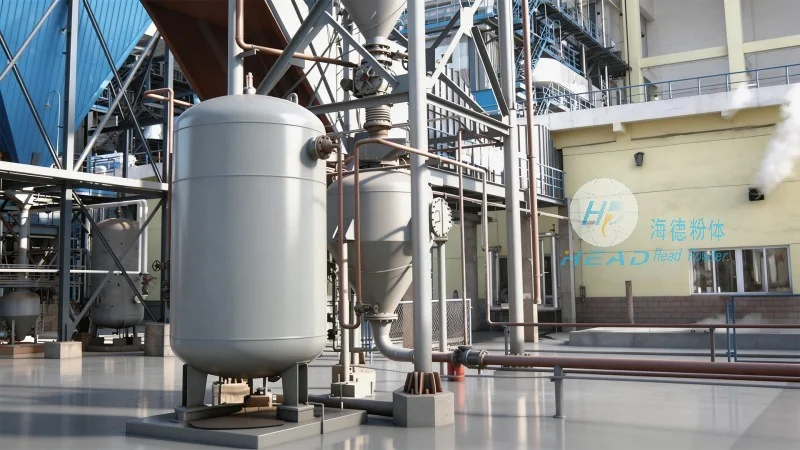
Advantages of Using Pneumatic Conveying for Sulfur Handling
Compared to traditional conveying methods like belt conveyors or bucket elevators, pneumatic conveying offers several advantages for sulfur handling. One of the primary benefits is the ability to handle sulfur in its various forms—solid, granular, or powdered—without the need for additional processing. This flexibility allows for seamless integration into existing production lines and reduces the need for multiple handling steps.
Another advantage is the reduced risk of dust generation and contamination. Pneumatic conveying systems are enclosed, which minimizes the release of sulfur dust into the environment and prevents cross-contamination with other materials. This is particularly important in industries where sulfur is used for pharmaceutical or food applications, where purity is paramount.
Furthermore, pneumatic conveying systems can be designed to operate in both positive and negative pressure modes. Positive pressure systems are suitable for conveying materials over short distances or in enclosed environments, while negative pressure systems are ideal for applications requiring the collection of dust or fumes from a source. This versatility makes pneumatic conveying a suitable choice for a wide range of sulfur handling scenarios.
Applications and Industries Using Sulfur Pneumatic Conveying Equipment
Sulfur material pneumatic conveying equipment is widely used across various industries due to its adaptability and efficiency. In the chemical industry, it is commonly employed in sulfuric acid production, where sulfur is converted into sulfur dioxide and then into sulfuric acid. The conveying system ensures the smooth transport of raw sulfur to the reaction chambers, maintaining consistent feed rates and preventing interruptions in the production process.