

Operation Process and Working Principle of Corn Powder Pneumatic Conveying
HeadPowder, a leading provider in the field, specializes in the design and implementation of corn powder pneumatic conveying systems. This technology is crucial for efficiently transporting corn powder, a key raw material in various industries such as food processing, feed production, and chemical manufacturing. The following sections detail the operational process and working principles of these systems, highlighting the technical aspects and practical applications.
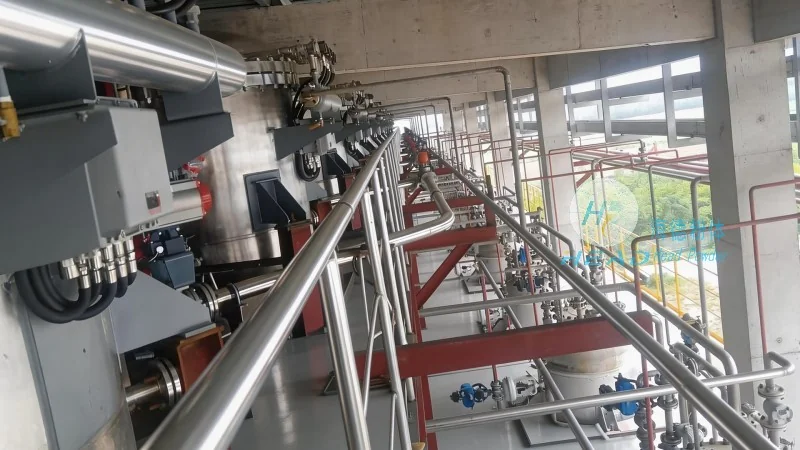
Company Overview
HeadPowder, or Shandong HeadPowder Engineering Co., Ltd., is headquartered in Shandong, China. With a strong focus on engineering excellence and customer satisfaction, the company has established itself as a trusted partner in the development of pneumatic conveying solutions for bulk powder handling. Our expertise lies in understanding the unique challenges of corn powder, such as its fine particle size, hygroscopic nature, and potential for caking, and designing systems that address these challenges effectively.
Understanding Pneumatic Conveying Systems
Pneumatic conveying systems use air or other gases to transport bulk materials like corn powder from one location to another. These systems are categorized into two main types: pressure and vacuum systems. Pressure systems operate by forcing air through the material, while vacuum systems draw material into the system using a vacuum. For corn powder, the choice of system depends on factors like the distance to be covered, the volume of material, and the need for gentle handling to prevent degradation.
Key Components of Corn Powder Pneumatic Conveying Systems
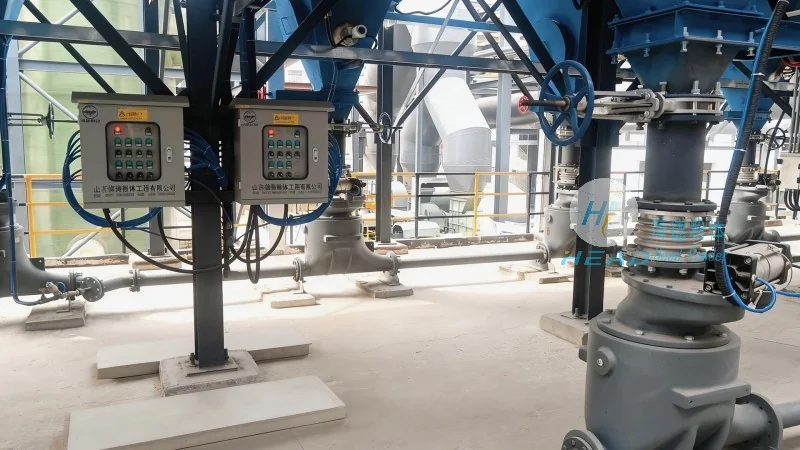
Effective corn powder pneumatic conveying relies on several critical components. These include the hopper or silo for material storage, the conveyor line (either horizontal or vertical), the air supply system (compressor and filters), and the control valves and regulators. Each component plays a vital role in ensuring smooth and efficient operation. For instance, the hopper must be designed to prevent material bridging and agglomeration, which can lead to blockages. The air supply system must provide sufficient pressure and volume to move the powder through the line without excessive energy consumption. Control valves allow for precise regulation of the air flow, enabling adjustments based on the material's properties and the system's requirements.
The Operational Process of Corn Powder Pneumatic Conveying
The operation of a corn powder pneumatic conveying system typically follows a sequence of steps. First, the corn powder is fed from the storage hopper into the conveyor line. The air supply system then generates the necessary pressure or vacuum to move the powder. As the air and powder mixture travels through the line, it passes through various sections, including bends, elbows, and filters. The filters are essential for removing any fines or contaminants from the air, ensuring that the powder remains clean and free from degradation. At the discharge end, the corn powder is separated from the air, often using a cyclone separator or a bag filter, and collected in the receiving hopper or silo.
Working Principle: How Corn Powder is Transferred
The working principle of corn powder pneumatic conveying involves the interaction between the powder particles and the air stream. In a pressure system, the air is forced into the hopper, creating a pressure that lifts the powder and pushes it through the conveyor line. The velocity of the air is critical; it must be high enough to overcome the gravitational forces acting on the powder particles but not so high as to cause excessive wear on the system components or degrade the powder. In a vacuum system, a vacuum pump creates a negative pressure that draws the powder from the hopper into the line. The air flow rate is carefully controlled to maintain a consistent velocity, ensuring that the powder particles remain suspended and transported without settling or clogging.
Advantages of Corn Powder Pneumatic Conveying
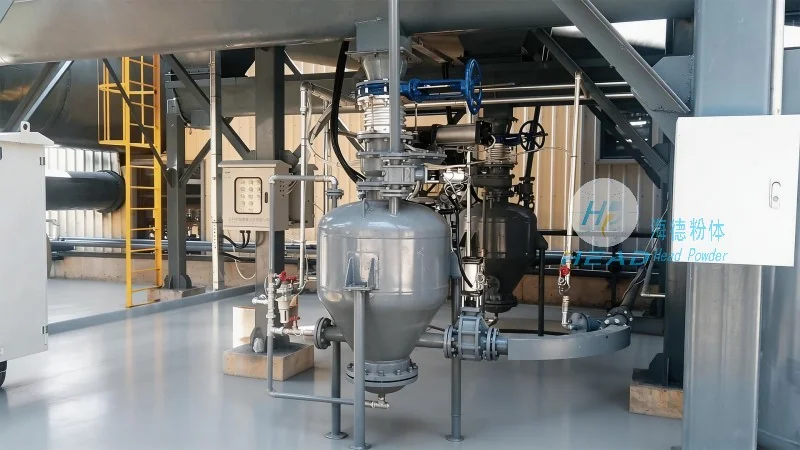
Compared to traditional mechanical conveying methods, corn powder pneumatic conveying offers several advantages. These include the ability to handle fine and abrasive materials without the need for moving parts that can wear out quickly. The system is also more flexible, as it can be easily reconfigured to accommodate changes in production volume or material type. Additionally, pneumatic conveying can be integrated with other processing equipment, such as mixers and classifiers, to create a seamless production line. For corn powder, the gentle handling of the material is particularly important, as it helps maintain the powder's quality and prevent issues like caking or agglomeration.
Applications in the Food and Feed Industry
Corn powder is widely used in the food and feed industries, and pneumatic conveying systems are essential for efficiently moving it through various processing stages. For example, in feed production, corn powder is often mixed with other ingredients to create animal feed. The pneumatic conveying system ensures that the corn powder is added to the mixer uniformly and without any segregation. In food processing, corn powder may be used as an ingredient in snacks, cereals, or other products. The ability to handle the powder gently and maintain its quality is crucial for meeting the high standards of food safety and product consistency.
Technical Considerations for Optimal Performance
Several technical considerations are important for achieving optimal performance in corn powder pneumatic conveying systems. First, the particle size and density of the corn powder must be considered, as these affect the air velocity required for transport. Larger or denser particles may require higher air velocities to ensure proper suspension. Second, the system's design must account for the hygroscopic nature of corn powder, which can lead to moisture absorption and caking. Proper drying and storage conditions are essential to prevent these issues. Third, the system must be equipped with appropriate filters and cleaning mechanisms to maintain air quality and prevent contamination. Regular maintenance and monitoring of the system's performance are also critical to ensure long-term reliability and efficiency.